Asia Art Weekly News Bulletin – ISSUE 45 Week of 29 December 2025
(1) Why Hong Kong artist’s bedroom music-inspired solo exhibition is ‘about self-healing’
In ‘Bedroom Paintings’ at Blindspot Gallery, Un Cheng’s 21 hazy works draw on self-discoveries the artist made on a recent trip to Europe.
(2) Mughal jewellery shines bright at Hong Kong Palace Museum exhibition
The Mughal dynasty’s opulent jewellery tradition continues to inspire contemporary designers and captivate collectors worldwide.
(3) Thai pharma dynasty opens doors to 1,000-piece contemporary collection
The Osathanugrah family, founders of Thai pharmaceutical company Osotspa, has opened the Dib Bangkok contemporary art museum to showcase their extensive collection, fulfilling the late Petch Osathanugrah’s vision of sharing decades of art acquisitions with the public.
(4) Asian Paints presents St+art Kolkata Festival 2025-26 with The Third Space: Ballygunge Art Project
Continuing its commitment to making art accessible to all, Asian Paints, in collaboration with the St+art India Foundation, presents St+art Kolkata Festival 2025-26 with The Third Space: Ballygunge Art Project, a citywide celebration of colour, community, and the creative energy that defines Kolkata.
(1) Why Hong Kong artist’s bedroom music-inspired solo exhibition is ‘about self-healing’
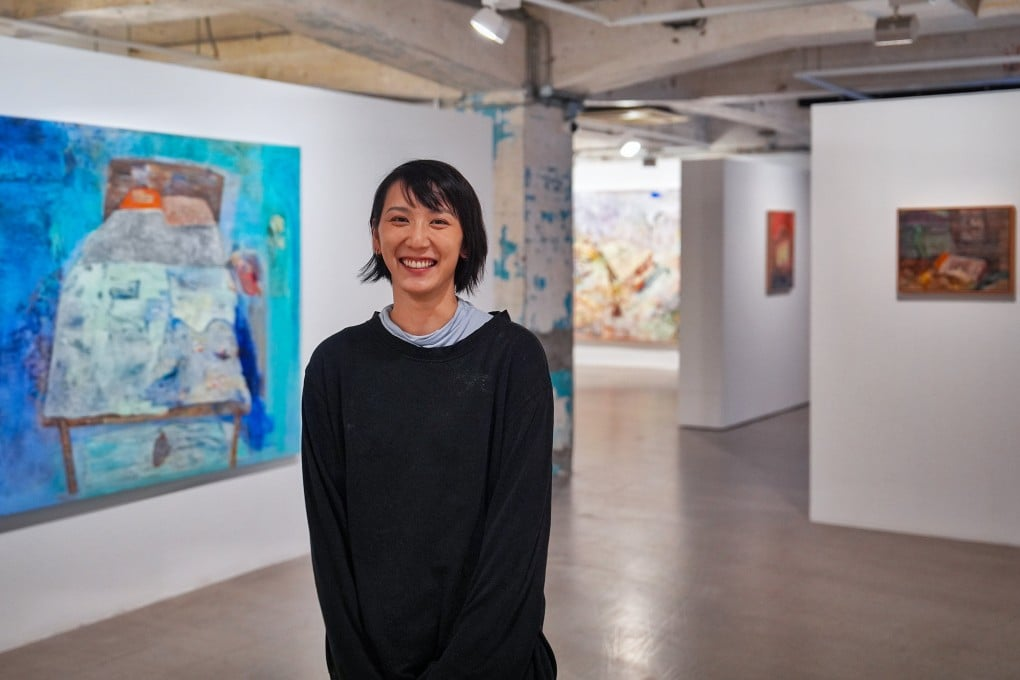
(Photo Credit: Elson Li/SCMP)
Hong Kong artist Un Cheng’s latest solo exhibition, “Bedroom Paintings,” features 21 new oil works created in 2025 that mark a thematic departure from her earlier abstract self-portraits and introspective landscapes. Following a three-month trip across Europe, Cheng presents a series that functions as a “visual diary about intimacy” and a “self-healing journal,” capturing both personal refuge and reflections on her encounters abroad. The exhibition, hosted at Blindspot Gallery in Wong Chuk Hang, explores the intersection of domestic interiors and external landscapes as projections of the artist’s inner world.
True to its title—which references the intimate, lo-fi genre of “bedroom music”—the exhibition opens with paintings of Cheng’s bed and cat, rendered in soft hues that convey vulnerability and introspection. Cheng describes painting as a meditative act tied to conscious breathing and self-healing. The show also includes larger works inspired by her travels, such as First Snow in Lok. 1106, inspired by Warsaw’s snowfall, and A Nap in the Alps, an abstract depiction of a peaceful mountain rest, reflecting her search for harmony and calm.
Cheng’s work delves into existential questions and spiritual curiosity, as seen in pieces like Future coming or what?, which probes anxiety, and What did I puke? No clue, which frames vomiting as a metaphor for purification. The exhibition is punctuated by paintings born from chance encounters—such as Mr. S off the Trainand Paris’s Dove Nailist—that highlight empathy and cross-cultural understanding. Cheng concludes that the more personal her subject matter becomes, the more universal its resonance, turning the show into a layered exploration of “reflections, self-reflections, and reflections upon reflections.”
News Source: https://www.scmp.com/lifestyle/arts/article/3338098/why-hong-kong-artists-bedroom-music-inspired-solo-exhibition-about-self-healing
(2) Mughal jewellery shines bright at Hong Kong Palace Museum exhibition
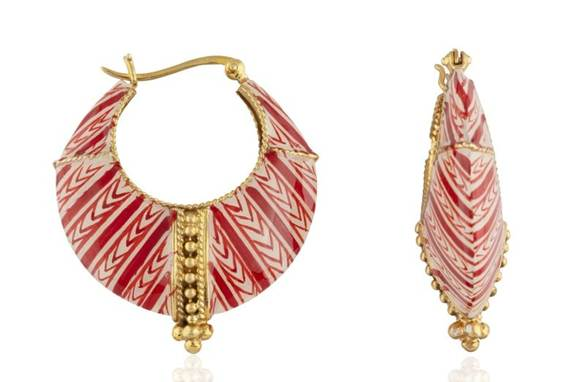
(Photo Credit: Style)
A new exhibition at the Hong Kong Palace Museum, “Treasures of the Mughal Court from the Victoria and Albert Museum,” showcases the creative zenith of India’s Mughal dynasty (1526–1857), highlighting how the patronage of emperors like Akbar, Jahangir, and Shah Jahan fostered a distinctive visual culture. The era’s jewellery, painting, textiles, and architecture—characterised by a fusion of Persian, Islamic, and Indian influences and exceptional craftsmanship—emerged from an empire that, at its peak, accounted for 28% of the world’s industrial output and possessed an economy surpassing that of Qing China and Europe.
Contemporary designers continue to draw inspiration from Mughal aesthetics, adapting traditional techniques like kundan(setting uncut diamonds in refined gold) and meenakari(colourful enamel work) for modern wearability. Designers such as Rajvi Vora of Kastur Jewels collaborate with institutions like the V&A to create collections that honour historical methods while updating them subtly, affirming that these centuries-old crafts remain timeless. The Mughal era’s inherently hybrid and international approach—incorporating motifs, artists, and materials from Iran, Central Asia, Europe, and China—resonates with today’s globally minded jewellers.
Despite the loss of many original treasures—through melting or recutting gems to suit later tastes—the Mughal legacy endures in both museum exhibitions and contemporary practice. Hong Kong-based Sagiri Dayal, for instance, mirrors the Mughal spirit of cultural synthesis by blending materials and influences from across Asia into symmetrical, maximalist designs. As highlighted by curator Emily Hannam, objects like a nephrite jade pendant with poetic associations to Emperor Jahangir illustrate the sophisticated cultural exchanges that defined the period, while collectors and jewellers today continue to preserve and reimagine these historical gems in unique new creations.
News Source: https://www.scmp.com/magazines/style/luxury/jewellery/article/3337611/mughal-jewellery-shines-bright-hong-kong-palace-museum-exhibition
(3) Thai pharma dynasty opens doors to 1,000-piece contemporary collection
(Photo Credit: W. Works/Dib Bangkok)
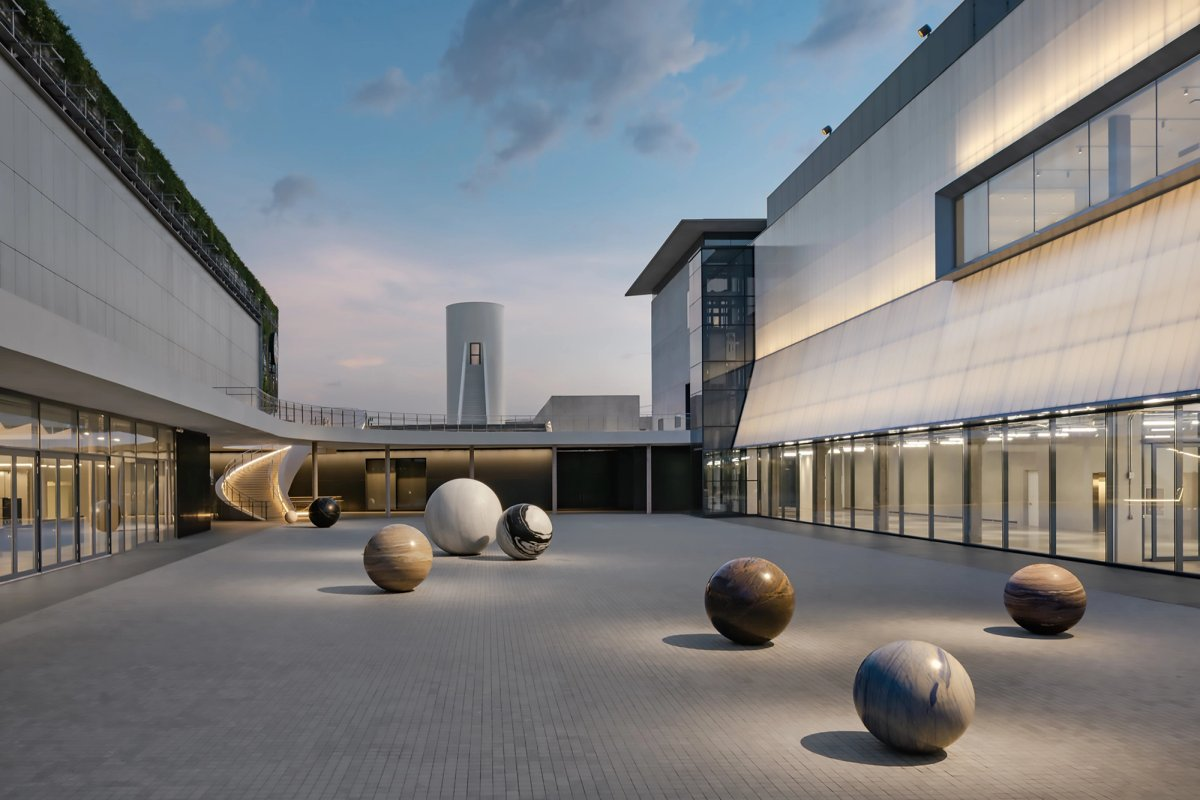
The newly opened Dib Bangkok museum, housed in a converted 1980s warehouse, brings a vast private art collection to the public, fulfilling the long-held vision of the late Thai businessman and collector Petch Osathanugrah. Spearheaded by his son, Purat ‘Chang’ Osathanugrah, and led by inaugural director Miwako Tezuka, the museum is part of Bangkok’s rapidly expanding contemporary art ecosystem, which includes recent additions like the Bangkok Kunsthalle, Khao Yai Art Forest, and longstanding institutions such as Maiiam Contemporary Art Museum and 100 Tonson Foundation. Tezuka sees Dib Bangkok joining this scene at a “tipping point” for the city as a global art destination.
Designed by architect Kulapat Yantrasast, the 7,000-square-meter space features 11 galleries, a sculpture garden, and a contemplative conical structure, preserving original Thai-Chinese architectural details. A second experimental venue, Dib26, located in a converted warehouse about 15 minutes away, serves as a community-focused project space. The inaugural exhibition, “(In)visible Presence,” pays tribute to Petch and explores themes of memory and loss through 80 works from the museum’s collection, including pieces by Lee Bul, Anselm Kiefer, Pinaree Sanpitak, and artists previously unseen in Thailand.
The museum builds upon the Osathanugrah family’s collection of more than 1,000 contemporary works from over 200 international artists, primarily dating from the 1990s onward. With a thematic rather than geographic curatorial approach, Dib Bangkok aims to foster cross-generational dialogue and public engagement with global art. The Osathanugrah family—originally known as the Pae family—rose to prominence through their pharmaceutical business, Osotspa, with a legacy of art collecting spanning generations. The museum now seeks to evolve as a future-oriented institution, emphasizing new media, technology in art, and public education.
News Source: https://www.theartnewspaper.com/2025/12/30/thai-pharma-dynasty-opens-doors-to-its-1000-piece-contemporary-collection-in-new-bangkok-museum
(4) Asian Paints presents St+art Kolkata Festival 2025-26 with The Third Space: Ballygunge Art Project
(Photo Credit: Architect and Interiors India)
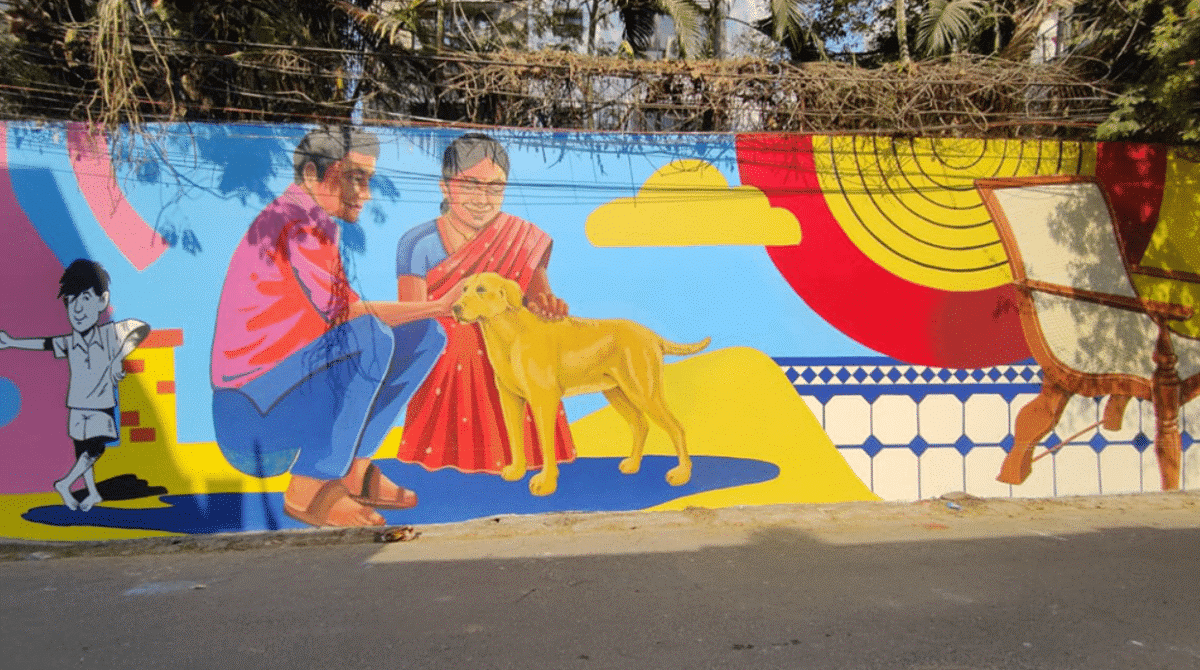
The inaugural St+art Kolkata Festival, supported by Asian Paints, is transforming Ballygunge in South Kolkata through public art interventions exploring the concept of a ‘third space’—public areas for sharing and belonging inspired by the city’s adda(conversation) and rowak(veranda) culture. Central to the festival is the vibrant Colour Corridor, an immersive passageway by Sayan Mukherjee that translates Asian Paints’ Chromacosm concept into a tactile experience, complemented by typographic and augmented reality interventions. These outdoor works aim to turn everyday neighborhood spots into shared, sensory encounters.
An indoor exhibition at the TRI Art & Culture Centre, supported by KCT Group CSR, features immersive works by ten artists that blur the boundaries between private and public life. Using colour, texture, sound, and scent, the exhibition reimagines domestic settings—like a bed or kitchen—as communal spaces for gathering and memory, inviting reflection on connection and belonging in urban environments. This component extends the festival’s ethos of integrating art into daily life, making creative expression a lived, participatory experience.
The project stems from a long-standing partnership between Asian Paints and the St+art India Foundation, guided by the #ArtForAll ethos to democratize art beyond galleries. Festival organizers and partners, including Asian Paints CEO Amit Syngle and St+art co-founder Giulia Ambrogi, emphasize creating spaces for pause, dialogue, and community in Kolkata’s urban fabric. Running until January 15, the festival encourages citizens to rediscover their city through art, reinforcing creativity as a vital, connective force in public life.