Asia Fashion Weekly News Bulletin – ISSUE 44 Week of 15 December 2025
(1) Louis Vuitton’s ‘taiyaki’ demonstrates demand for playful prestige
From Coach’s pretzel to Fendi’s dumpling, foodie fashion is having a moment — and Louis Vuitton just cooked up the ultimate charm.
(2) Gen Z fuels growth of indie jewelry in APAC
Independent jewelers are winning over Gen Z by crafting pieces with soul and meaning, reshaping trends across the Asia-Pacific region and beyond.
(3) Inside Christian de Portzamparc’s showstopping House of Dior Beijing: ‘sculptural, structural, alive’
Todiscover Dior’s dramatic new store, a vast temple to fashion that translates haute couture into architectural form.
(4) South Korean Fashion Giant Musinsa Opens First Overseas Store in Shanghai
Musinsa, a leading South Korean fashion retailer, has opened its first overseas flagship outlet in Shanghai, with plans to expand to multiple Chinese cities over the next five years.
(1) Louis Vuitton’s ‘taiyaki’ demonstrates demand for playful prestige
(Photo Credit: Louis Vuitton)
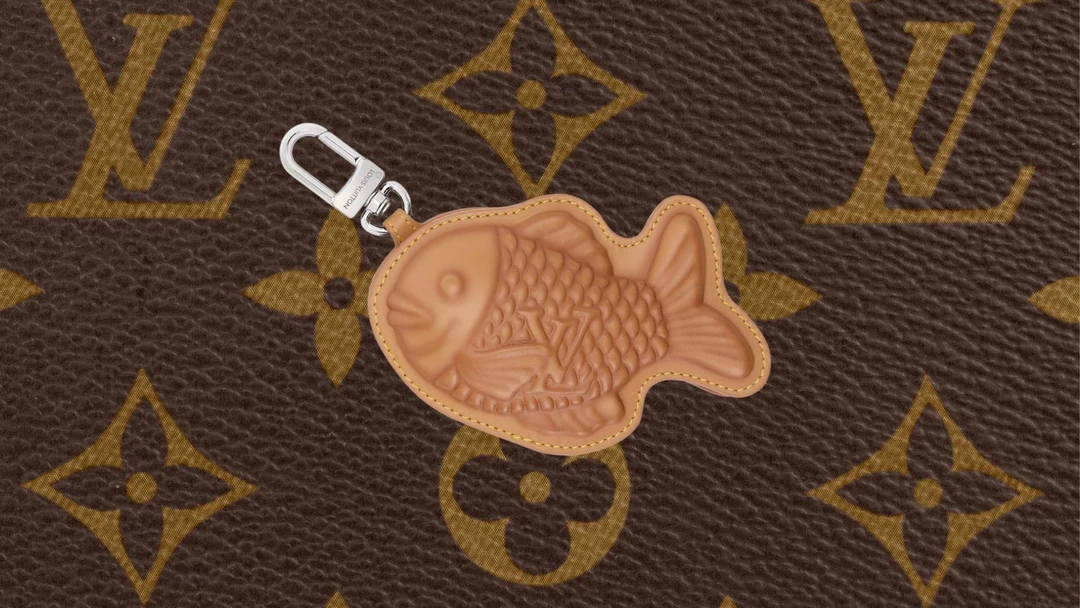
Louis Vuitton released a playful new bag charm on December 1st inspired by taiyaki, the fish-shaped Japanese pastry traditionally filled with sweet red bean paste. The leather accessory, crafted in Italy, features realistic details mimicking the street food’s imperfect edges and includes a red lining that evokes the pastry’s filling, resonating strongly with East Asian consumers familiar with the popular snack.
The charm quickly gained traction across social media platforms, particularly in China, where the term for taiyaki(鯛魚燒) has garnered over 113 million impressions on Xiaohongshu (RedNote). The product also aligns with popular fashion hashtags like #bagcharm, which has reached 1.4 billion impressions, demonstrating its positioning at the intersection of culinary nostalgia, kawaii aesthetics, and luxury personalization.
By tapping into culturally specific nostalgia and cuteness-driven trends, Louis Vuitton’s taiyakicharm appeals to a digitally savvy East Asian audience at a time when food-inspired accessories and personalized luxury items are highly sought after. The product’s design reflects a strategic effort to blend high fashion with regional cultural touchstones, helping sustain mass-market engagement with the luxury brand in key markets.
News Source: https://jingdaily.com/posts/louis-vuitton-s-taiyaki-demonstrates-demand-for-playful-prestige
(2) Gen Z fuels growth of indie jewelry in APAC
(Photo Credit: Soft Mountains)
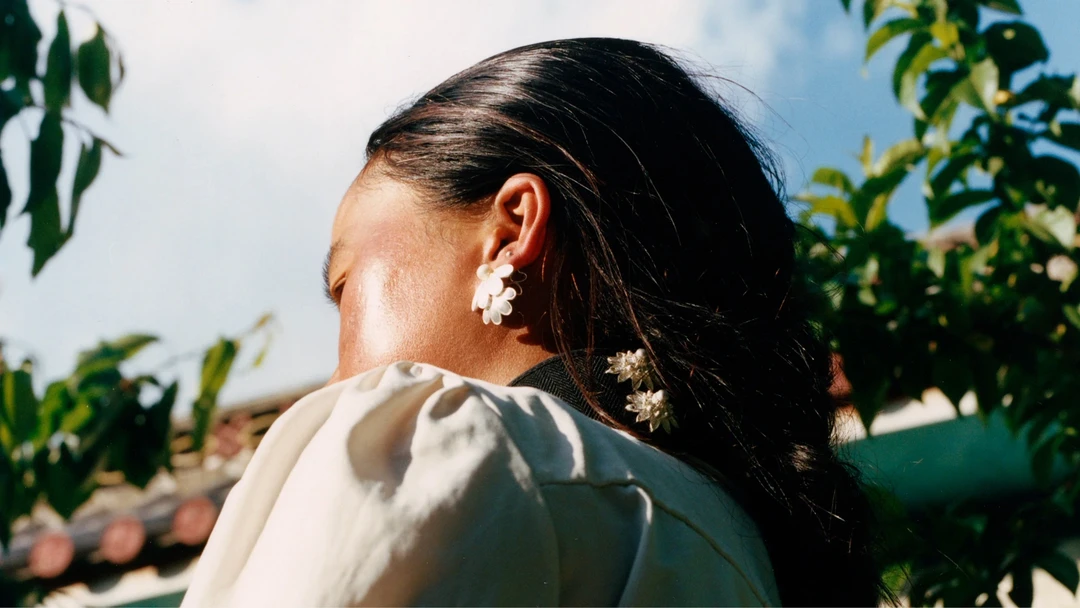
The global handmade jewelry market is experiencing significant expansion, projected to triple from 151.5 billion in 2022 to 472.5 billion by 2032, driven by a new wave of independent jewelers across the U.S., Indonesia, China, and Singapore. In the Asia-Pacific region, gold jewelry holds deep cultural importance—gifted at weddings, worn during festivals, and passed down as heirlooms—contrasting with Western traditions where jewelry often symbolizes personal achievement. Consumers increasingly value materials and cultural resonance over brand names, turning to independent artisans for authentic designs without high markups.
Social media and influencers are accelerating this trend, with platforms like TikTok democratizing jewelry education and connecting artisans directly with global audiences. A 2024 Impact.com report revealed that 64% of Southeast Asia’s Gen Z are influenced by mega-influencers, while 62% look to celebrities for purchasing cues. Purpose-driven lines, such as Damson Idris’s Didris collection honoring African heritage, reflect a broader shift toward meaningful, narrative-rich adornment that resonates with younger consumers seeking both aesthetic and emotional value.
In China, Gen Z’s embrace of gold combines investment savvy with self-reward, as 70% of consumers aged 18–40 plan to purchase pure gold jewelry. Affordable “mini-gold” items—like smartphone stickers featuring cultural motifs—make gold accessible, blending tradition with modern affordability. Despite a Q3 2025 dip in gold jewelry volume due to high prices, consumer spending reached $9 billion, the second-highest third-quarter value on record, underscoring gold’s enduring appeal as both a tangible asset and a symbol of financial prudence in uncertain economic times.
News Source: https://jingdaily.com/posts/gen-z-fuels-growth-of-indie-jewelry-in-apac
(3) Inside Christian de Portzamparc’s showstopping House of Dior Beijing: ‘sculptural, structural, alive’
(Photo Credit: Agent Pay & Yumeng Zhu, House of Dior, Beijing)
Christian de Portzamparc, Pritzker Prize laureate, has unveiled his third House of Dior commission in Beijing’s Sanlitun district—a freestanding architectural statement sheathed in 14 colossal white resin petals that evoke the transformation of fabric into couture. Unlike his earlier Dior stores in Seoul and Geneva, the Beijing structure stands exposed on all four sides, allowing 360-degree visibility and enabling Portmarpac to reinterpret the petal motif with greater sculptural ambition, blending petal forms with handcrafted golden glass tiles that reference imperial China.
Each 65-foot petal, produced over 18 months using local resin-casting techniques, recalls both Dior’s atelier gestures and the caryatids of the Acropolis, while golden glass panels introduce breathing space and a dynamic play of light. At night, the building becomes a luminous lantern, with backlit petals casting elegant shadows. Delphine Arnault, CEO of Christian Dior Couture, described the four-year project as a “dream come true,” housing five levels of retail, a restaurant, and VIP salons.
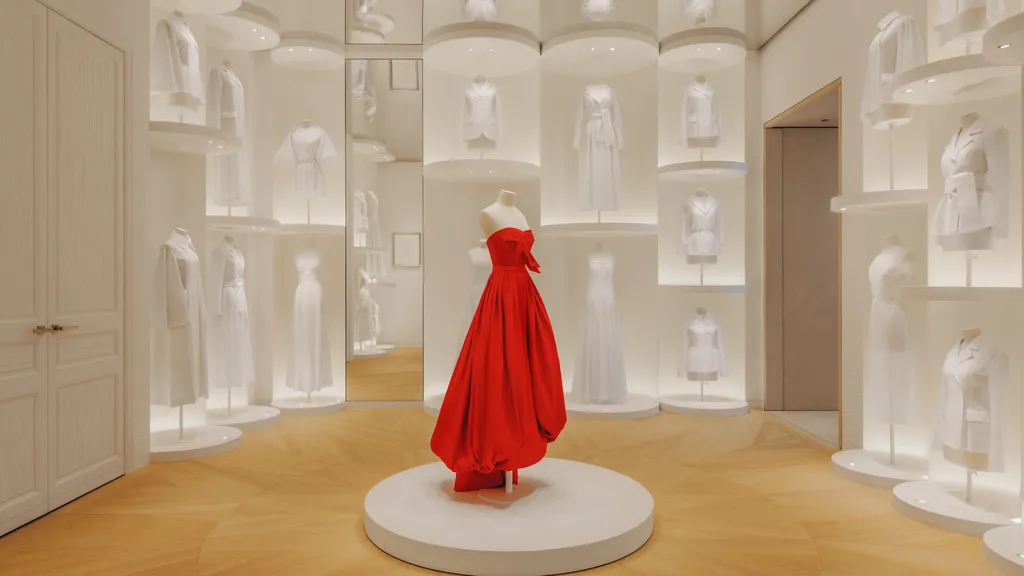
Inside, a spiral staircase adorned with a delicate clay-petal chandelier connects floors showcasing works by Chinese artists such as Xiyao Wang and Hong Hao, alongside designer furniture. Portzamparc’s design—porous, light-filled, and deeply responsive to its site—reflects a long collaborative relationship with LVMH that he describes as “an architectural style dedicated to Dior.” The building mirrors couture itself: transforming flat ideas into living, structural poetry.
News Source: https://www.wallpaper.com/fashion-beauty/house-of-dior-beijing-christian-de-portzamparc
(4) South Korean Fashion Giant Musinsa Opens First Overseas Store in Shanghai
(Photo Credit: Yicai Global)
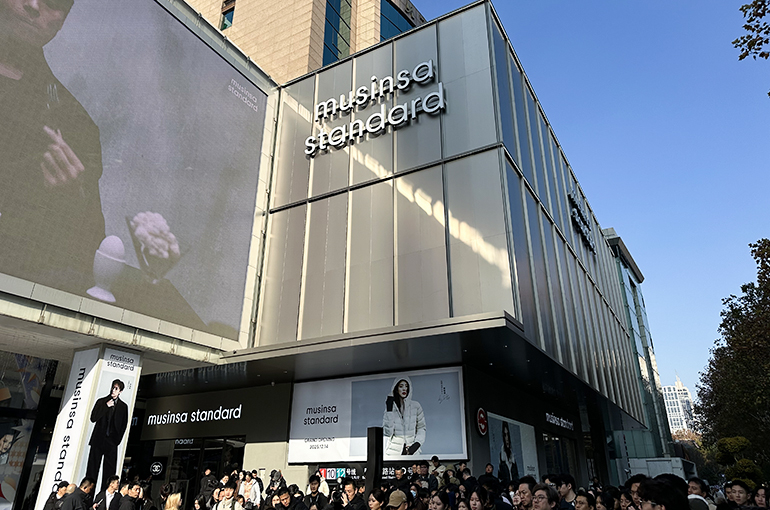
South Korean fashion retailer Musinsa has launched its first overseas flagship store in Shanghai, marking its official entry into the Chinese market. The two-floor, 1,421-square-meter outlet on Huaihai Road is the company’s fifth-largest global store and represents the beginning of an ambitious expansion plan to open 100 stores across China by 2030, with Shanghai as the central hub.
Founded in 2001 as a sneaker community, Musinsa has evolved into an integrated online-offline fashion platform. The company will optimize localization in logistics, distribution, and store operations, developing product lines aligned with Chinese fashion trends based on sales data. It plans to launch online channels on Douyin, Xiaohongshu, and Taobao, building on its 2019 investment from HongShan Capital and its August 2025 joint venture with Anta Sports Products.
Despite the high costs of physical retail expansion, industry analysts note that Musinsa’s e-commerce DNA positions it to use physical stores as showrooms while driving online sales. The company’s expansion is supported by capital operations, including the HongShan investment and Anta partnership. Success will depend on product value, appeal to young consumers (aged 10-29), and maintaining a sustainable cost-to-revenue balance in a competitive market.
News Source: https://www.yicaiglobal.com/news/south-korean-fashion-giant-musinsa-opens-first-overseas-store-in-shanghai