Asia Fashion Weekly News Bulletin – ISSUE 47 Week of 12 January 2026
(1) Chinese Luxury Brand Sandriver Launches Global Flagship Store in Shanghai
Sandriver, founded in 2012, has officially opened its largest global flagship store in Shanghai’s Zhang Yuan.
(2) Fendi Embraces Bag Charms Trend for Chinese New Year
Fendi’s new bag charms feature BFF characters that come together to prepare jiaozi (dumplings).
(3) China’s Anta Sports has offered to buy Pinault family’s 29 percent Puma stake
China’s Anta Sports Products (2020), has offered to buy 29 percent of struggling German sportswear firm Puma from France’s Pinault family.
(4) Louis Vuitton unveils architectural and culinary landmark in Beijing
LVMH is doubling down on China, having opened several major flagships in the country in December. Encouraged by early indicators of a luxury sales rebound, the group is weighing further expansion to capitalise on China’s economic recovery.
(1) Chinese Luxury Brand Sandriver Launches Global Flagship Store in Shanghai
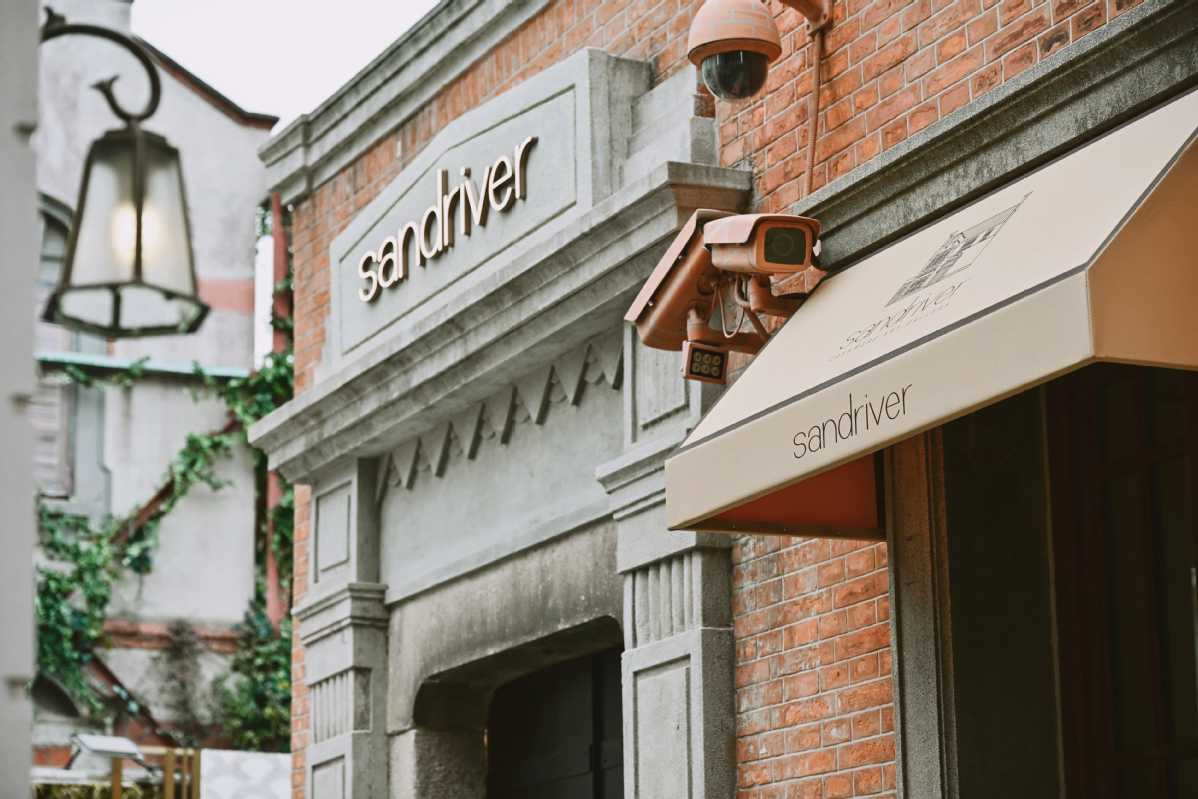
(Photo Credit: chinadaily.com.cn)
Premier Chinese cashmere brand Sandriver has officially opened its largest global flagship store at Zhang Yuan (Zhang Garden) in Shanghai, marking a significant milestone as the first homegrown luxury brand to make its mark in this renowned cultural landmark. This establishment is not just a business venture; it plays a vital role in reshaping global perceptions of “Made in China” luxury, showcasing the international rise of Chinese artisanal brands.
Founded in 2012 by Guo Xiuling, who has a background in German automated engineering, Sandriver emerged from her extensive experience providing OEM services to well-known luxury brands in the high-end cashmere market. With over a decade of industry expertise, Guo has focused Sandriver on preserving intangible cultural heritage (ICH) craftsmanship, believing that “authentic, traditional craftsmanship is the most valuable legacy from our ancestors, enabling Chinese brands to excel globally”. Sandriver’s products draw inspiration from endangered traditional crafts, including Inner Mongolian felting and Tibetan pulu weaving, which serve as the cultural cornerstone of the brand.
In addition to its commercial success – generating nearly 40 percent of total revenue from overseas sales by the end of 2025 – Sandriver has achieved a win-win for ICH inheritance and livelihood improvement. By supporting ICH and Tibetan handicrafts, the brand has provided sustainable income to nearly 400 Tibetan artisans, many of whom had limited formal education. Sandriver’s growth is also supported by Shanghai’s comprehensive backing for local artisanal luxury brands. Sandriver benefits from the multi-level policy support that aimed at enhancing the development of local artisanal luxury brands, further solidifying its position in the global market.
News Source: https://www.chinadaily.com.cn/a/202601/12/WS69649258a310d6866eb333cb_1.html
(2) Fendi Embraces Bag Charms Trend for Chinese New Year
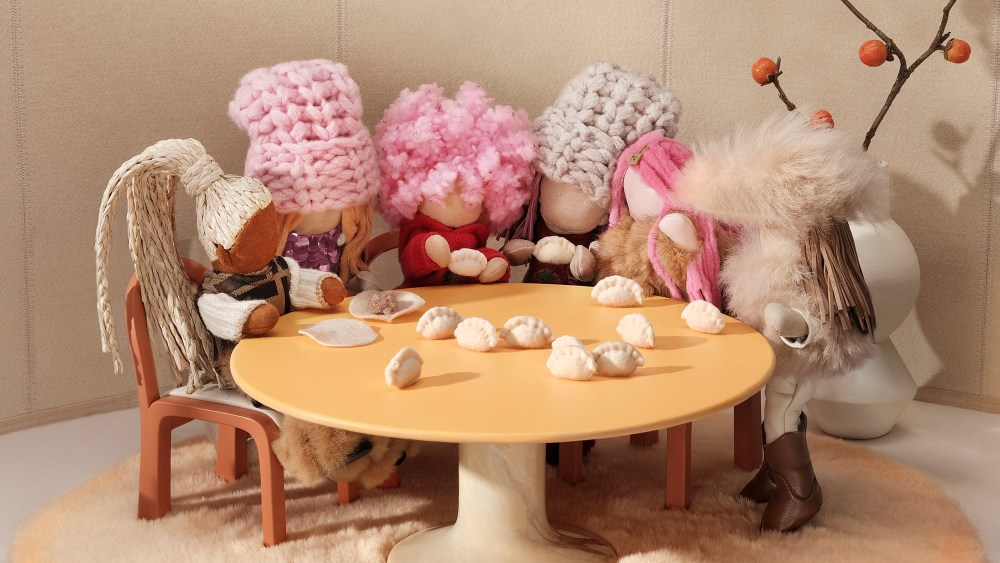
(Photo Credit: Fendi)
Fendi is gearing up to celebrate its collectible bag charms and the launch of its latest Peekaboo line with a four-day pop-up event starting Wednesday on Shanghai’s bustling Wukang Road, a favored destination for tourists. The Rome-based luxury brand aims to showcase its playful essence through its bag charms, specifically promoting its Year of the Horse campaign this season, featuring the beloved Fendi BFF charms.
Launching on Wednesday, the campaign includes a charming stop-motion film that highlights the BFF characters as they come together to prepare jiaozi, or dumplings, a cherished tradition among northern Chinese families. The film captures the whimsical preparations, with the characters engaged in playful antics such as stirring clouds of flour, adjusting their hairstyles, applying perfume, and fine-tuning their outfits.
As the narrative unfolds, the scene builds up to a joyful moment when the doorbell rings and friends gather to share beautifully arranged jiaozi that collectively form the iconic Fendi logo. This campaign not only showcases Fendi’s commitment to its playful brand identity but also celebrates cultural rituals significant to the Chinese New Year.
News Source: https://wwd.com/fashion-news/fashion-scoops/exclusive-fendi-horse-chinese-new-year-1238451935/
(3) China’s Anta Sports has offered to buy Pinault family’s 29 percent Puma stake
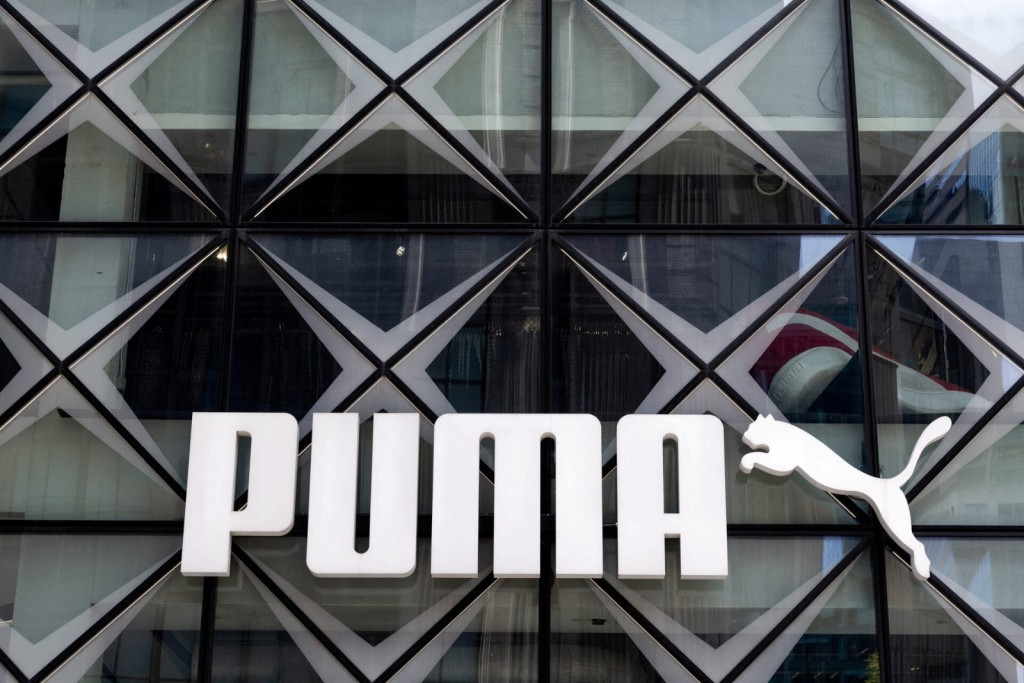
(Photo Credit: REUTERS)
Chinese sportswear giant Anta made a formal offer to acquire the Puma stake held by Artemis—the investment vehicle of Kering’s controlling Pinault family—a few weeks ago and has secured financing for the deal, according to sources. However, negotiations have stalled, partly because Artemis was expecting any offer to exceed 40 euros per share, a significant premium over Puma’s current trading price of around 24.6 euros. Both Artemis and Puma declined to comment on the matter.
Puma’s shares surged as much as 9% following the Reuters report, reflecting market optimism about potential new ownership. The company, with a market capitalization of 3.3 billion euros, has seen its value fall roughly 50% over the past year amid declining sales and failed sneaker launches. New CEO Arthur Hoeld is implementing a turnaround strategy to compete more effectively against rivals like Adidas and On. Analysts view a potential sale as positive, suggesting new ownership could support investments and offer fresh perspectives for the brand’s revival.
Artemis, which holds a 29% stake in Puma, has previously indicated the holding is “non-strategic” but was unwilling to sell at last year’s lower valuation. Anta, known for acquiring and revitalizing Western brands—such as leading the 2019 buyout of Amer Sports (owner of Wilson and Salomon)—has been exploring a bid for Puma since late 2024. The potential deal emerges as Artemis faces investor scrutiny over its debt, accumulated during efforts to diversify beyond Gucci amid a broader slowdown in luxury sales.
News Source: https://www.thestandard.com.hk/market/article/321172/Chinas-Anta-Sports-has-offered-to-buy-Pinault-familys-29-percent-Puma-stake-sources-say
(4) Louis Vuitton unveils architectural and culinary landmark in Beijing
(Photo Credit: Louis Vuitton)
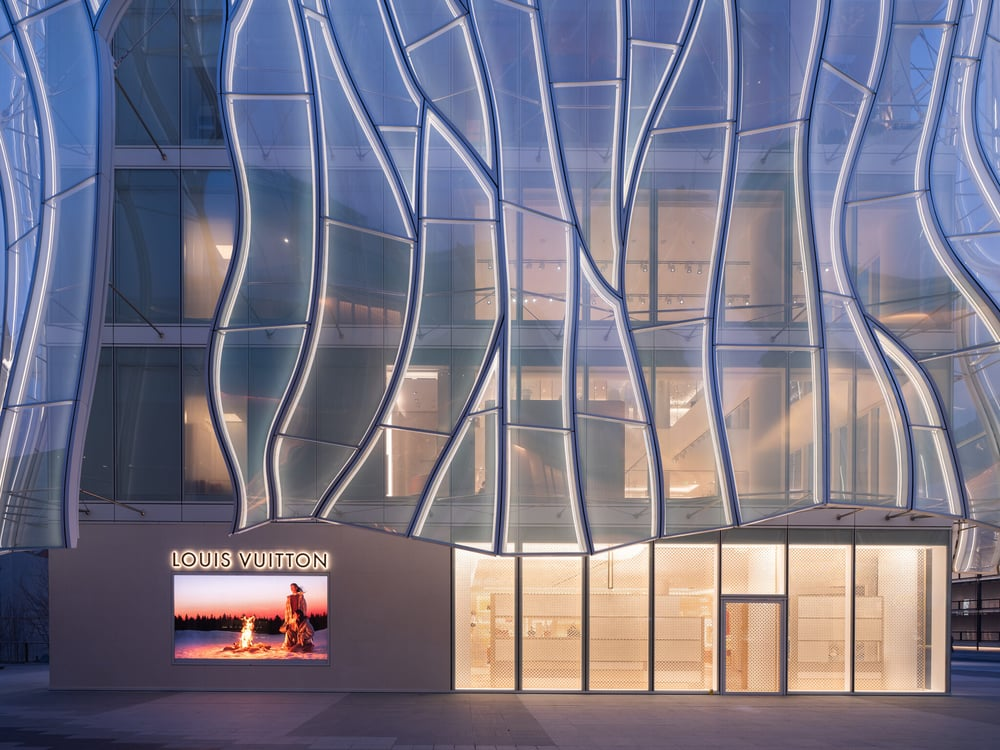
Louis Vuitton has unveiled a new emblematic flagship in Beijing’s Sanlitun district, conceived by architect Jun Aoki as a “condensed landscape” inspired by the traditional Chinese Taihu stone and the four principles of scholar’s rock appreciation. The façade, treated as a translucent garment, draws a direct dialogue between architecture and fashion, referencing a Nicolas Ghesquière dress from a 2016 show. The design balances Beijing’s unique cultural centrality with global openness, aiming to create an immersive, emotive environment rather than a mere retail shell.
Spanning four levels, the flagship houses Louis Vuitton’s complete universe, including leather goods, ready-to-wear, jewelry, and beauty, alongside four private VIP lounges. The interior architecture, designed by the maison’s in-house studio, emphasizes vertical perspectives and natural light to guide customers through a sensory journey. Crowning the building is Beijing’s first Louis Vuitton Café, complete with a private dining room and a 250-square-meter rooftop bar, reflecting the brand’s pivot toward offering holistic lifestyle experiences that blend gastronomy, culture, and design.
The store exemplifies Louis Vuitton’s strategic shift toward “hyper-physical” retail, focusing on deep emotional connections and cultural synergy over pure product acquisition. This aligns with industry analysis, such as that from Bain & Company, which emphasizes the need for grand flagships that act as immersive sanctuaries. Reinforced by LVMH CEO Bernard Arnault’s 2025 visits to China, the strategy involves integrating local craftsmanship and heritage into the brand’s DNA, positioning Louis Vuitton as a pioneer of a comprehensive lifestyle offering and marking a transformative new chapter in the Chinese market.
News Source: https://hk.fashionnetwork.com/news/Louis-vuitton-unveils-architectural-and-culinary-landmark-in-beijing,1797520.html