Asia Gaming Weekly News Bulletin – ISSUE 45 Week of 29 December 2025
(1) Myanmar demolishes more illegal gambling buildings in Shwe Kokko and KK Park
The Myanmar government has intensified its crackdown on illegal online gambling and scam operations in the Shwe Kokko and KK Park areas, demolishing additional unauthorised buildings and bringing the total number of structures destroyed in KK Park to 519 out of 635.
(2) Kazakhstan set to establish new gambling zones
Kazakhstan is set to establish new gambling zones in several regions, including Mangystau, Almaty, East Kazakhstan, and Zhetysu, as announced by Yerbol Myrzabosynov, the country’s Minister of Tourism and Sports.
(3) Macau’s satellite casinos consigned to history as final property Landmark officially closes
Macau’s last remaining satellite casino, Landmark Casino, officially closed at midnight on Wednesday, marking the complete shutdown of all satellite casinos in Macau and their official transition into the annals of history.
(4) Singapore Casinos Lead Financial Watchdog Efforts with Record STR Filings
Singapore’s casinos have emerged as one of the country’s most pivotal fronts in the battle against money laundering, filing more than 10,000 suspicious transaction reports with the police last year.
(1) Myanmar demolishes more illegal gambling buildings in Shwe Kokko and KK Park
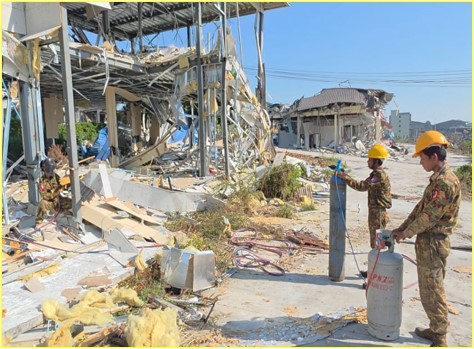
(Photo Credit: Asia Gaming Brief)
Authorities in Myanmar have intensified systematic operations to clear illegal buildings in the Myawaddy–Maethawtalay area (known as KK Park) and Shwe Kokko, identified as major hubs for online scams and gambling. In the latest action, four buildings—including one four-storey and three two-storey structures used for illicit activities—were demolished, raising the total number of destroyed buildings in KK Park to 519 out of 635 identified illegal structures.
The demolitions are carried out by joint teams of security personnel, administrative authorities, and local officials, using heavy machinery and, since December 14th, fire cylinders to ensure complete destruction. On Monday, five additional two-storey buildings were burned down, bringing the total number of fully demolished structures to 71. Materials linked to online scams and gambling in both areas have also been systematically burned to prevent reuse.
The government has reiterated that combating online scams and illegal gambling is a national responsibility, emphasizing that operations will continue in coordination with domestic forces and neighboring countries. The goal is to dismantle the infrastructure supporting these criminal enterprises and prevent their re-establishment in Myanmar, reflecting a sustained commitment to eradicating the hubs from these regions.
News Source: https://agbrief.com/news/myanmar/30/12/2025/myanmar-demolishes-more-illegal-gambling-buildings-in-shwe-kokko-and-kk-park/
(2) Kazakhstan set to establish new gambling zones

(Photo Credit: Asia Gaming Brief)
Kazakhstan’s Minister of Tourism and Sports, Yerbol Myrzabosynov, has announced plans to establish new gambling zones in several regions to boost tourism, building upon existing casinos in Borovoye and Kapchagay. The proposed locations include the Caspian Sea coast in Mangystau, Lake Alakol in the Panfilov District of Zhetysu, the Talgar District in Almaty, and the Markakol area and Zaysan District in East Kazakhstan. Specific sites within these regions are yet to be finalized and will be selected by local authorities.
Myrzabosynov emphasized that the expansion aims exclusively to enhance tourism, following a model used in other countries. Each new casino is expected to generate between 2 and 3 billion tenge (approximately US$4.3–6.5 million) in annual tax revenue and create around 500 jobs. The minister dismissed any notion of lowering taxes on the industry, noting that casinos are taxed per gaming table and that the government anticipates significant overall tax contributions from the new developments.
The government indicated that the number of gambling zones could increase in the future, with potential expansions to further develop tourism. Gambling in Kazakhstan is permitted only in designated zones, primarily in Almaty and Shchuchinsk, and online gambling is regulated. This strategic move reflects a focused effort to leverage the gambling industry for economic growth and job creation while maintaining strict regulatory control over its operations.
News Source: https://agbrief.com/news/world/01/01/2026/kazakhstan-set-to-establish-new-gambling-zones/
(3) Macau’s satellite casinos consigned to history as final property Landmark officially closes
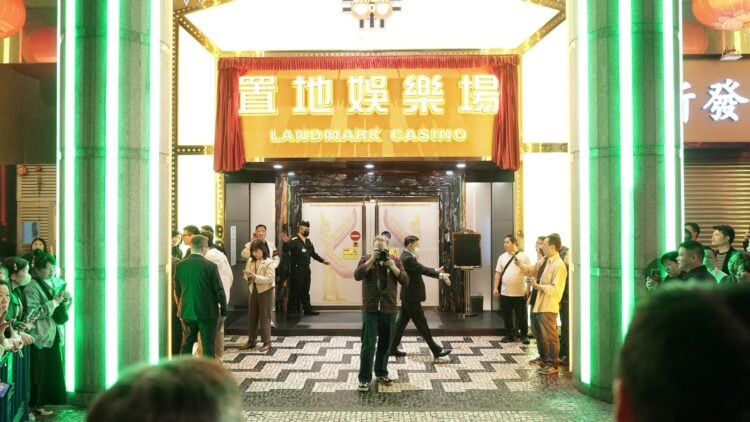
(Photo Credit: inside Asian gaming)
Macau’s last satellite casino, the Landmark Casino operated under an SJM Holdings license, officially closed at midnight on 30 December, marking the complete elimination of the satellite casino model from the city’s gaming landscape. Hundreds of residents and tourists gathered for a final countdown, with staff symbolically covering the casino’s signage with a red curtain at closing time—a moment briefly disrupted when the curtain malfunctioned, requiring technicians to complete the task as an onlooker shouted “Reopen!”
The closure concludes a three-year transition period under Macau’s new Gaming Law, which mandated that the city’s six gaming concessionaires either fully acquire or shut down all satellite casinos—venues run by third-party operators using a concessionaire’s license. From 11 satellite casinos operating at the start of 2025, only Landmark remained by year’s end, following SJM’s acquisition of L’Arc and the shuttering of nine others. With Landmark’s shutdown, all 20 remaining casinos in Macau are now directly owned by the six concessionaires.
Macau’s satellite casino era has ended as part of a broader industry consolidation that began during the pandemic and accelerated with the 2022 gaming law reform. At its peak, Macau had 42 casinos, but the number has steadily declined. The government’s June 2025 announcement prohibited concessionaires from renewing management contracts with satellite casino operators, forcing either full acquisition or closure. While SJM initially considered acquiring both L’Arc and Ponte 16, it ultimately only assumed full ownership of L’Arc, allowing the satellite model to fade into history as the city’s gaming industry moves toward a more consolidated structure.
News Source: https://asgam.com/2026/01/01/macaus-satellite-casinos-consigned-to-history-as-final-property-landmark-officially-closes/
(4) Singapore Casinos Lead Financial Watchdog Efforts with Record STR Filings
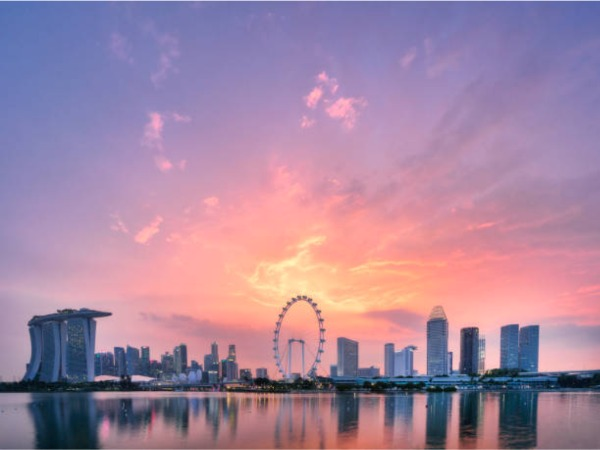
(Photo Credit: IGamingToday)
Singapore’s casinos have become a critical defense against money laundering, filing 10,261 suspicious transaction reports (STRs) in 2024, second only to the banking sector. Overall STRs across all industries surged by 28.8% to 85,988, with casinos accounting for 11.9% of the total. This significant volume highlights the gaming sector’s heightened vigilance and its key role in Singapore’s anti-money laundering framework, reflecting a concerted effort to flag illicit activities beyond traditional finance.
Casino operators are legally required to submit STRs whenever they suspect criminal links, with non-compliance carrying serious penalties. Additionally, casinos filed 457,459 cash transaction reports (CTRs) in 2024, a sharp increase from pre-pandemic levels, underscoring the sector’s cash-intensive nature. Under Singapore’s regulations, any cash transaction of SGD 10,000 or more—including chip purchases or winnings payouts—must be reported within 15 days, making casinos a frontline monitor for large physical money flows.
The extensive reporting from casinos forms a cornerstone of Singapore’s strategy to combat sophisticated financial crimes, including terrorism financing. By generating thousands of alerts, the industry actively helps authorities map and disrupt criminal networks. The sustained growth in filings demonstrates increased sector awareness and contributes to a broader intelligence picture, reinforcing Singapore’s commitment to maintaining a secure and transparent financial environment.
News Source: https://www.igamingtoday.com/singapore-casinos-lead-financial-watchdog-efforts-with-record-str-filings/