Asia Art Weekly News Bulletin – ISSUE 52 Week of 16 February 2026
(1) Hong Kong’s West Kowloon arts hub seeks US$1 billion in first bond sale to fund operations
Hong Kong’s West Kowloon Cultural District Authority plans to raise up to US$1 billion through its first bond sale. The authority faces ongoing losses from weak ticketing and sponsorships. A new medium-term note programme with HSBC and Standard Chartered will fund operations.
(2) Uzbekistan Reveals Artistic Team for 2026 Venice Biennale
Uzbekistan has named its artistic team for the 61st Venice Biennale. Titled “The Aural Sea“, the exhibition will feature seven multimedia artists addressing Aral Sea ecological devastation. The presentation will be curated by five young students from Bukhara Biennial School, who will lead the exhibition.
(3) Time as Witness: Ai Weiwei at Nature MorteSummary
Chinese artist Ai Weiwei made his solo debut in India at Nature Morte gallery in New Delhi from January 15 to February 22, 2026. The untitled exhibition featured works spanning three decades, including new Lego reinterpretations of Indian modernist paintings and Pichwai motifs, alongside politically charged sculptures.
(4) How Hong Kong schools and artists like Offgod:Tate are nurturing creativity in the AI era
Hong Kong’s pressure-cooker education system sidelines arts education despite its value for creativity and mental health. Brothers Andrew and Tate Mok, Forbes 30 Under 30 artists, succeeded through parental support and school innovation amid AI challenges and academic priorities.
(1) Hong Kong’s West Kowloon arts hub seeks US$1 billion in first bond sale to fund operations
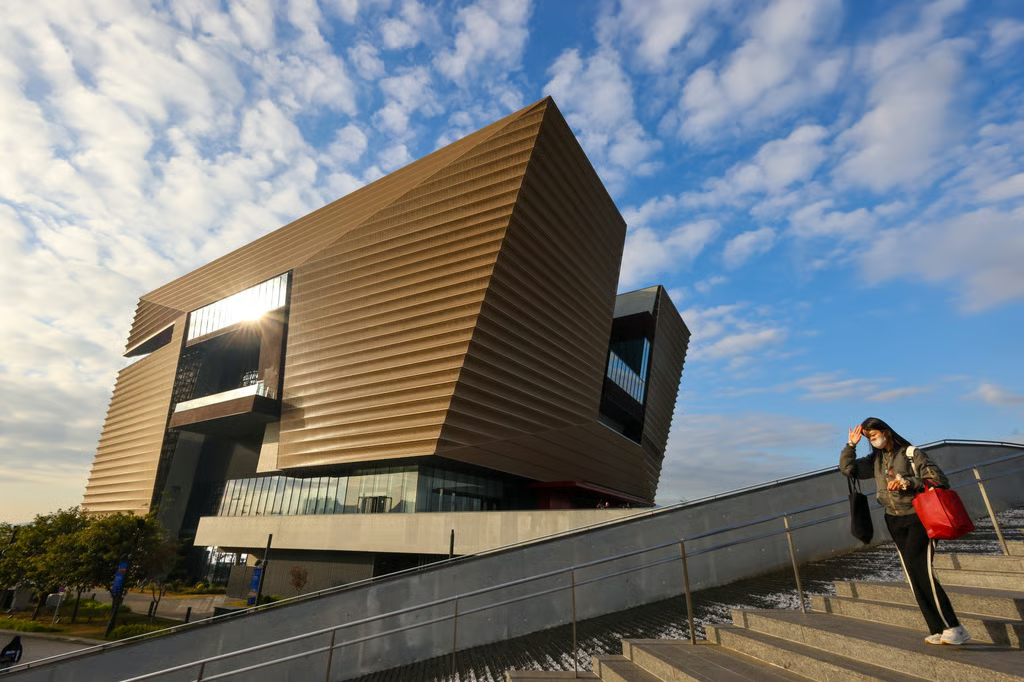
(Photo Credit: Dickson Lee)
The West Kowloon Cultural District Authority launched a US$1 billion medium-term note programme. HSBC and Standard Chartered serve as arrangers. This marks the arts hub operator’s first bond market entry. It allows issuance in series and tranches to broaden funding sources.
WKCDA has faced widening deficits: HK$769 million in FY2025 (up 33% YoY), HK$578 million in FY2024, and HK$718 million in FY2023, driven by 18% core income drops to HK$871 million from weak corporate bookings, sponsorships, and tickets amid economic uncertainty, plus rising staff costs post Anti-epidemic Fund expiry.
Key risks in the offering circular include no government debt guarantee, persistent structural shortfalls at facilities like M+ and Hong Kong Palace Museum, property market/ticket sensitivity, construction capex (84% complete as of August 2025), and potential collection damage or litigation. Recent moves include a HK$3 billion 10-year ICBC Asia loan signaling bank confidence.
Experts like Baptist University’s Billy Mak note high bond costs amid elevated US rates (linked via HK peg), but view prime harbour-view residential sales as collateral potential for a semi-governmental body, amid mixed outlook from strong January US jobs data.
(2) Uzbekistan Reveals Artistic Team for 2026 Venice Biennale
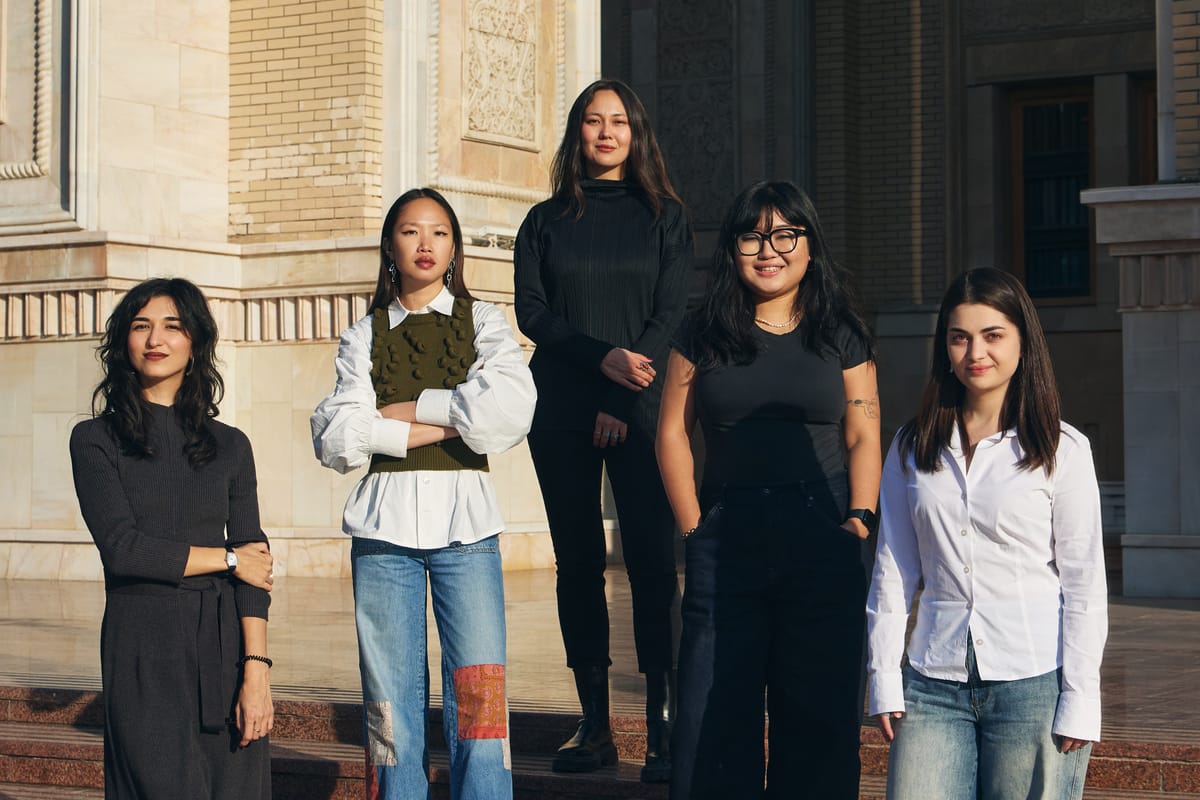
(Photo Credit: Uzbekistan Art and Culture Development Foundation)
The Uzbekistan Art and Culture Development Foundation has unveiled the creative team for its third Venice Biennale pavilion. Titled “The Aural Sea,” seven artists will present multimedia works exploring the Aral Sea basin’s environmental collapse. The exhibition opens May 9 at the 61st Venice Biennale.
On one hand, Jahongir Bobokulov, Zi Kakhramonova, Aygul Sarsen, Zulfiya Spowart, Xin Liu, A.A. Murakami and Nguyen Phuong Linh form the artist cohort. Their paintings, textiles and installations draw inspiration from Karakalpak author Allayar Darmenov’s writings on Soviet-era resource extraction. The works center on Karakalpakstan, where 1960s irrigation projects dried up the southern Aral Sea.
On the other hand, five curators lead the presentation. Sophie Mayuko Arni, Aziza Izamova, Kamila Mukhitdinova, Nico Sun and Thái Hà represent the inaugural Bukhara Biennial Curatorial School cohort. They frame mythmaking and storytelling as tools to process ecological grief and envision regional renewal.
Uzbekistan’s focused ecological narrative positions it among nations using the Biennale to address urgent environmental legacies through contemporary art practice and collective memory reconstruction.
News Source: https://www.artasiapacific.com/news/uzbekistan-reveals-artistic-team-for-2026-venice-biennale/
(3) Time as Witness: Ai Weiwei at Nature Morte
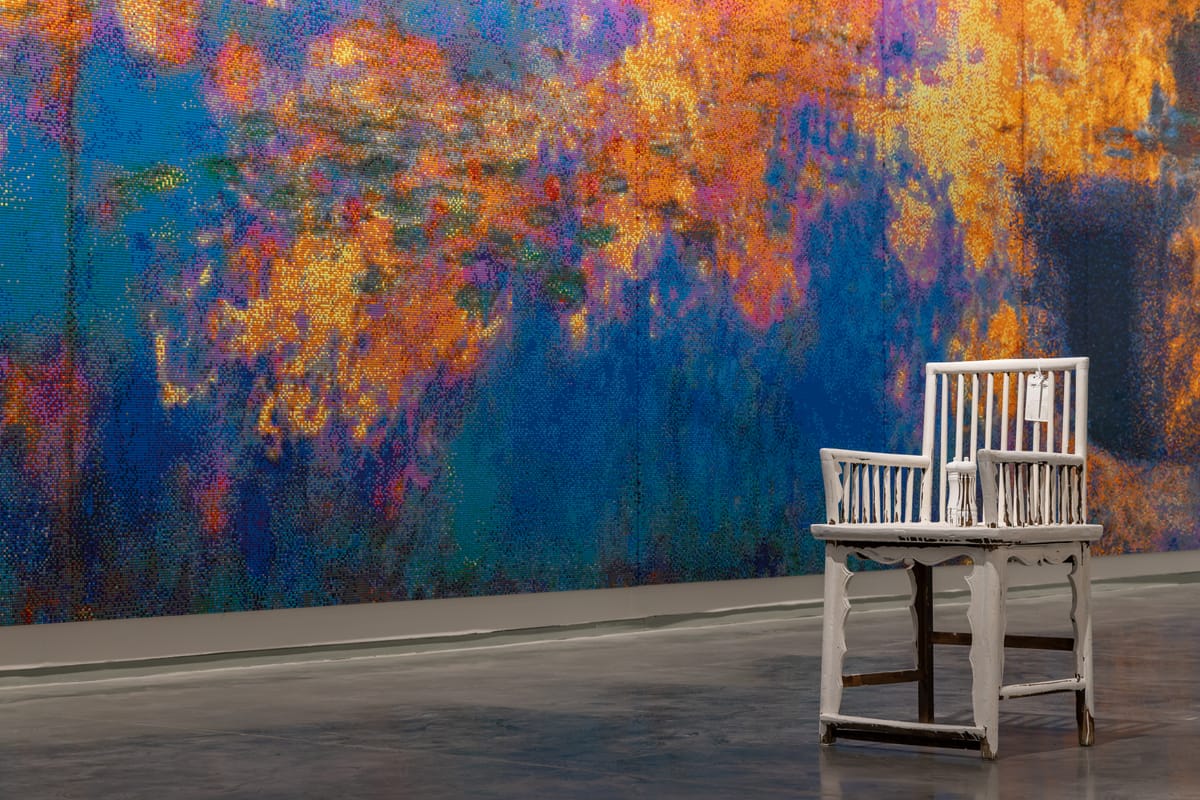
(Photo Credit: Ai Weiwei Studio, Nature Morte, and Galleria Continua)
Chinese artist Ai Weiwei presented his first solo exhibition in India at Nature Morte gallery in New Delhi, running from January 15 to February 22, 2026, as part of the India Art Fair parallel program. The untitled show offered a focused selection of works from nearly three decades, marking his most sustained presentation in the country beyond brief fair appearances.
Ai has long used everyday materials such as porcelain, wood, earthenware, and marble to probe history, memory, authorship, and power structures. The exhibition included two large-scale Lego compositions: Surfing (After Hokusai) from 2025 and Water Lilies from 2023. New works responded directly to Indian art traditions, reinterpreting paintings by SH Raza and VS Gaitonde, as well as Rajasthan’s devotional Pichwai style, through modular Lego bricks. For example, his version of Raza’s Surya Namaskar abstracted the geometric original while incorporating solar symbolism, examining how local forms enter global circulation and lose original context.
More confrontational pieces debuted publicly, including F.U.C.K. (2024), four WWII military stretchers sewn with buttons forming the expletive, and Whitewashed remnants of History of the State of Emerging Future Works (2025), an earthenware pot and wooden chair drenched in white paint to evoke deliberate erasure.
The tallest work, Porcelain Pillar with Refugee Motif (2017), stacked six qinghua vases painted with scenes of fleeing refugees, turning fragility into a looping commentary on migration and violence.
In the Indian setting, Ai’s use of porcelain vessels alongside matka-like earthen pots highlighted cultural hierarchies and transnational dialogues. While the institutional framing softened direct confrontation, the show preserved Ai’s critique through aesthetic means, blending craft, activism, and commodification to offer fresh perspectives on universal themes of advocacy and power.
News Source: https://www.artasiapacific.com/shows/time-as-witness-ai-weiwei-at-nature-morte/
(4) How Hong Kong schools and artists like Offgod:Tate are nurturing creativity in the AI era
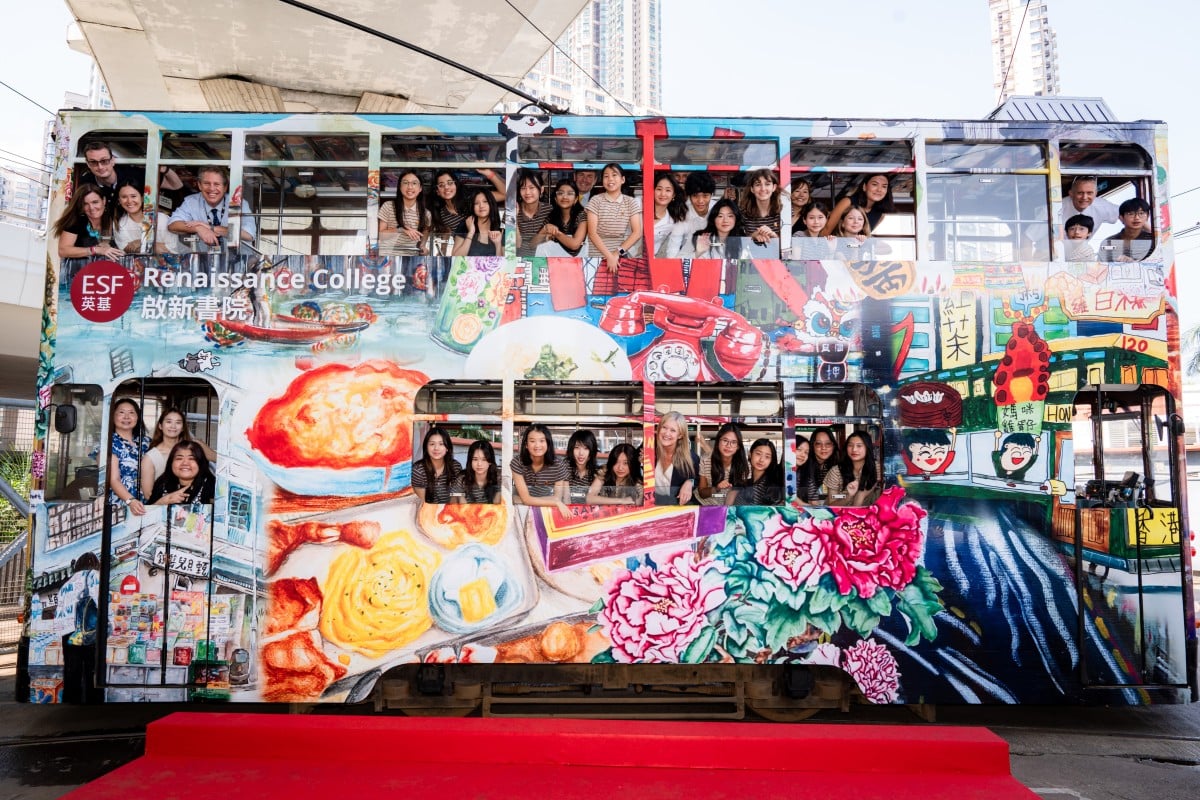
(Photo Credit: Handout)
Hong Kong’s education system has long favored STEM subjects over the arts. From intense kindergarten admissions to heavy homework loads and hours of weekly tutoring, students are trained to compete early. In this pressure-driven environment, creative pursuits are often treated as luxuries rather than legitimate career paths.
Artist Andrew Mok, better known as YaLocalOffgod, remembers watching talented classmates give up art as they advanced through school. His brother, architect and designer Tate Mok, recalls how sparse his IB art classes were at Victoria Shanghai Academy. The brothers were fortunate to have parents who encouraged sketching over video games.
A 2022 study highlights how deeply the arts remain marginalized. Fewer than 0.5% of students chose music electives, while only 5% opted for visual arts. According to Renaissance College’s head of visual arts, Andrew Deakin, the arts are vital for critical thinking and emotional intelligence, yet continue to be overshadowed by subjects that lend themselves to standardized testing.
As artificial intelligence reshapes creative industries, educators at Hong Kong Academy emphasize qualities that technology cannot reproduce. Performing arts director Jean Morris observes that shy students often gain confidence through theatre, while music teacher Dom Halliday believes digital tools can expand access to composition without replacing the meaning of live performance.
Some schools are finding ways to bridge disciplines. Renaissance College combines traditional drawing techniques with modern software to encourage experimentation. Students recently collaborated on the Tramplus art tram project, while the Mok brothers credit the school’s 3D printers with sparking their early breakthroughs. Andrew later returned to host workshops, sharing the tactile joy of hands-on creation.
Although creative industries make up just 2.3 per cent of Hong Kong’s GDP, their impact reaches far beyond economics. In a city facing mounting mental health challenges, the arts continue to foster resilience, empathy, and a sense of purpose that test scores cannot measure.