Asia Art Weekly News Bulletin – ISSUE 56 Week of 16 March 2026
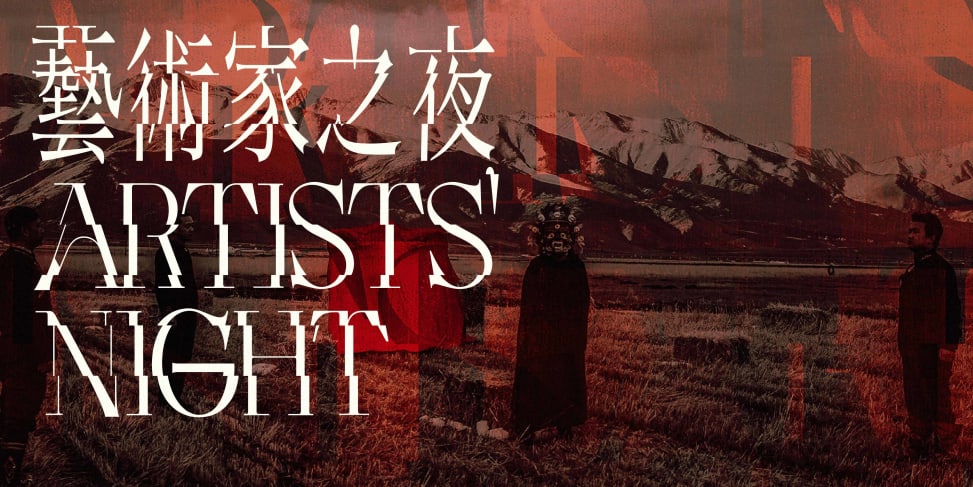
(1) Hong Kong Tai Kwun’s Artists’ Night 2026: Experiencing Knowledge Through Embodiment.
Tai Kwun’s “Artists’ Night 2026,” themed “Experiencing Knowledge” alongside Art Basel Hong Kong, showcases five interdisciplinary artists exploring embodiment through site-specific performances and installations at the former prison site.
(2) China’s Tech Capital Wants to Be an Art Hub, Too
Shenzhen is emerging from its “cultural desert” reputation as a tech hub by launching major art museums backed by JD.com and Tencent to build a design-focused cultural ecosystem within the Greater Bay Area.
(3) Korean artist Lee Bul’s first major Hong Kong exhibition opens at M+
M+ Museum launches “Lee Bul: From 1998 to Now,” a comprehensive retrospective of over 200 works by South Korean artist Lee Bul, tracing her evolution from provocative 1980s performances to utopian installations: exploring gender, the body, and modernity’s paradoxes.
(4) Hong Kong’s Airport Authority to develop HK$300 million art storage facility
Hong Kong’s Airport Authority partners with Eythos on a HK$300 million art storage facility at Skytopia Airport City, opening next year to leverage the city’s tax-free status and reinforce its role as a global art trading hub.
(1) Hong Kong Tai Kwun’s Artists’ Night 2026: Experiencing Knowledge Through Embodiment.
(Photo Credit: Art Basel)
Tai Kwun Museum of Contemporary Art has selected “Experiencing Knowledge” as the theme for its annual “Artists’ Night 2026,” presented alongside Art Basel Hong Kong. The exhibition aims to address the disconnection from bodily experience amid Hong Kong’s information overload, as articulated by Deputy Artistic Director Philip Tinari.
The event features five interdisciplinary artists from Australia, South Korea, the Philippines, Vietnam, Mainland China, and Hong Kong, who explore embodiment through performances, music, and installations. Sydney’s Justin Talplacido’s “Shoulder” delivers a solo piece drawing on queer and ancestral mythology, while Seoul’s Geumhyung Jeong reimagines fire drill protocols in “Fire Drill Scenario”, blending choreography with site-specific elements in Tai Kwun’s Jockey Club Cube, a modern addition to the former prison site.
Vietnamese-American sound artist Lydo creates a debut public installation in a historic air-raid shelter, fostering a safe space for queer, transgender, and non-binary communities of color via transformative soundscapes. This selection underscores Tai Kwun’s mission to dismantle cultural barriers and position the heritage site as a global artistic hub.
“Artists’ Night” anchors the seven-day Tai Kwun Art Week, encompassing exhibitions, live programs like “Art Never Sleeps,” performing arts, gallery shows, and dining promotions during Hong Kong Arts Month, aiming to draw local and international visitors while amplifying exchanges through Art Basel collaboration.
News Source: https://www.artbasel.com/stories/art-basel-hong-kong-tai-kwun-museum-artists-night-2026?lang=zh_CN
(2) China’s Tech Capital Wants to Be an Art Hub, Too
(Photo Credit:Artnet)
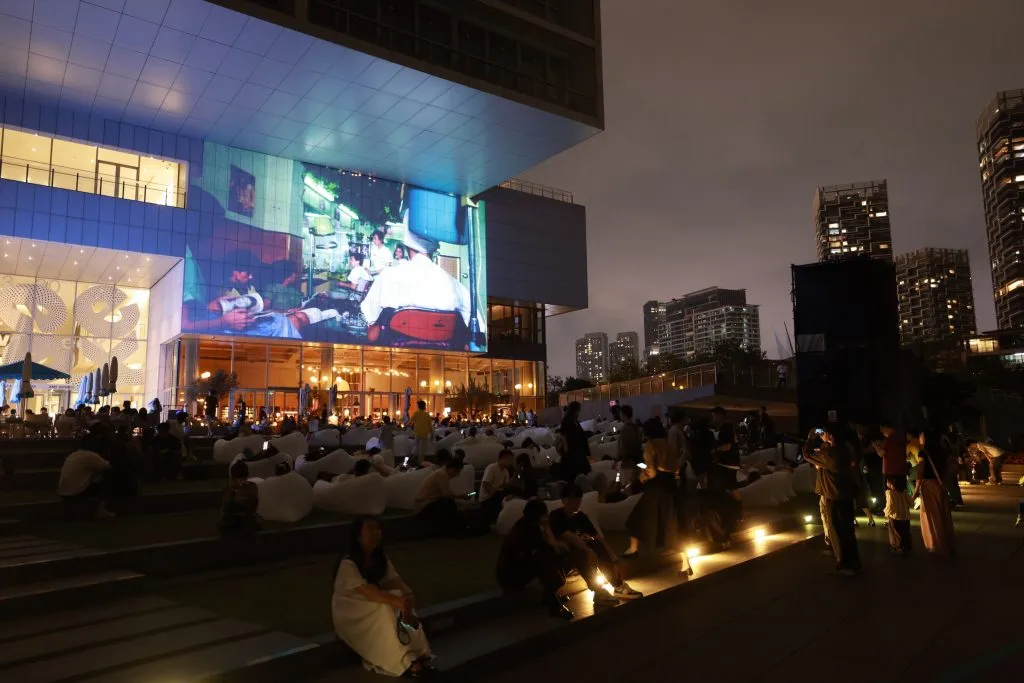
Shenzhen, long known as a tech powerhouse akin to the “Art Basel of the tech world”, is shedding its “cultural desert” image with major announcements from giants JD.com and Tencent to launch art museums led by curators Robin Peckham and Pi Li, respectively.
Once a fishing village transformed into a Special Economic Zone in 1980, Shenzhen’s cultural scene emerged in the mid-2000s with institutions like OCAT and the Shenzhen-Hong Kong Bi-City Biennale; followed by landmarks such as the Design Society and a V&A partnership gallery. The city now fosters design- and architecture-focused growth, with plans for 10 major facilities including a new Shenzhen Art Museum, alongside commercial ventures like Art Shenzhen fair and the upcoming Shenzhen Art Week during Art Basel Hong Kong.
Tencent-backed Róng Museum, independently operated in the Houhai M80 complex and set for a 2027 opening, will span art, design, and digital media to promote Greater Bay Area exchange. Positioned within the 86-million-strong economic zone alongside Hong Kong’s market hub, Guangzhou’s artist base, and Macau’s tourism-driven initiatives, Shenzhen tests whether its rapid innovation can build a matching cultural ecosystem.
News Source: https://news.artnet.com/market/shenzhen-art-infrastructure-2754431
(3) Korean artist Lee Bul’s first major Hong Kong exhibition opens at M+
(Photo Credit: Jenny Leung)
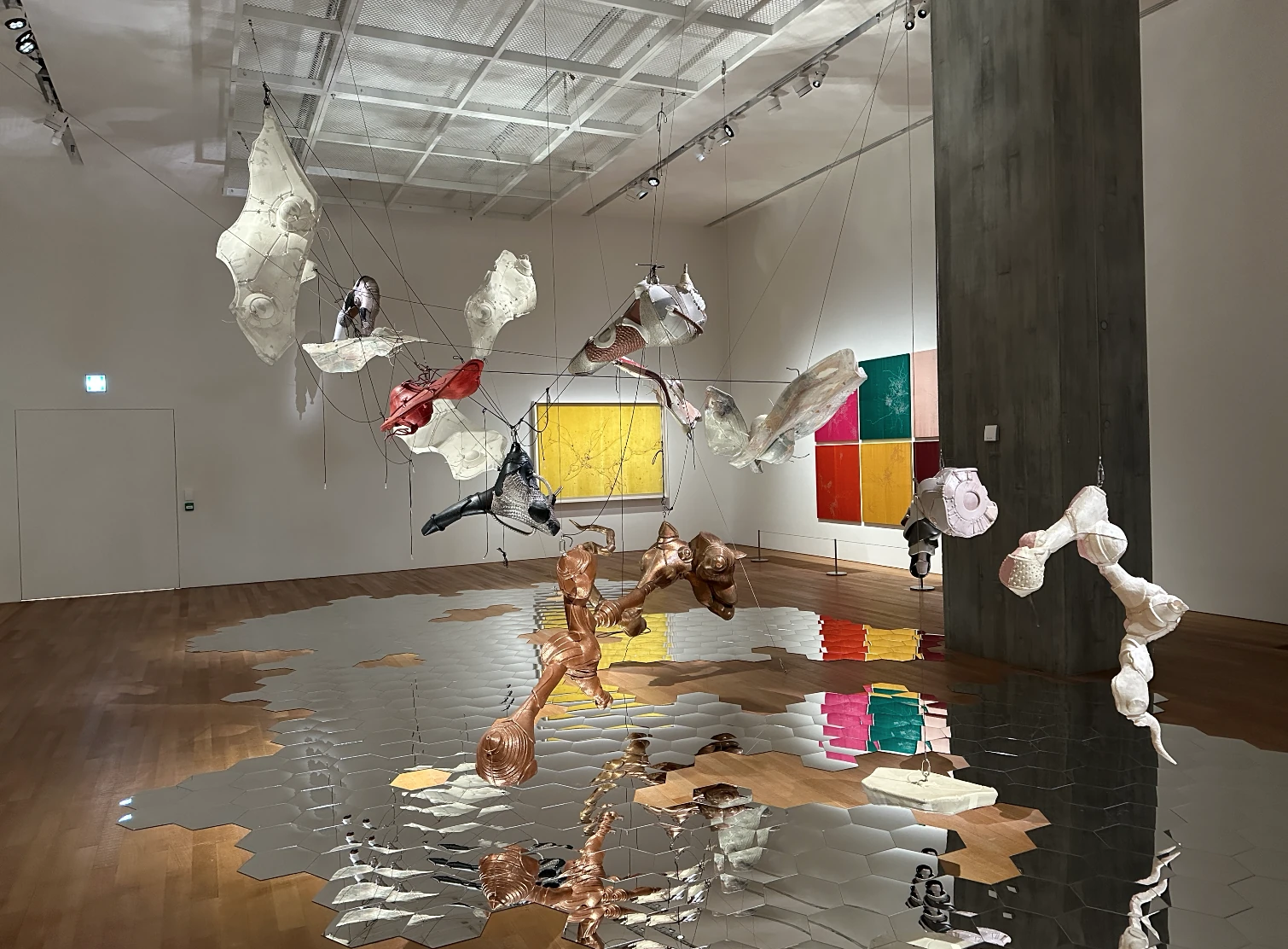
M+ Museum has unveiled “Lee Bul: From 1998 to Now,” a major retrospective featuring over 200 works by the South Korean artist, fresh from drawing 100,000 visitors at Seoul’s Leeum Museum of Art.
Born in 1964 amid South Korea’s socio-political upheaval, Lee Bul rose in the late 1980s with provocative performances challenging norms. Her art style later evolved into a multifaceted practice blending science fiction, critical theory, and art history to probe the body, gender, and utopian ideals. Her sculptures have appeared at global venues like the Met and Hayward Gallery, confronting progress’s paradoxes.
Curated in three phases, the show traces her trajectory: grand velvet paintings on utopian narratives, iconic late-1990s Cyborg and Anagram series questioning perfection and beauty; and an intimate archive of 100 drawings plus maquettes revealing her conceptual process.
Beyond galleries, M+ offers free 1980s-1990s performance documentaries, May-June Family Days with interactive activities, curator-led tours, a futuristic merchandise line (like Civitas Solis II clocks and metallic totes), and a new Thames & Hudson monograph co-published with Leeum.
News Source: https://www.timeout.com/hong-kong/news/korean-artist-lee-buls-first-major-hong-kong-exhibition-opens-at-m-031726
(4) Hong Kong’s Airport Authority to develop HK$300 million art storage facility
(Photo Credit: Elson Li)
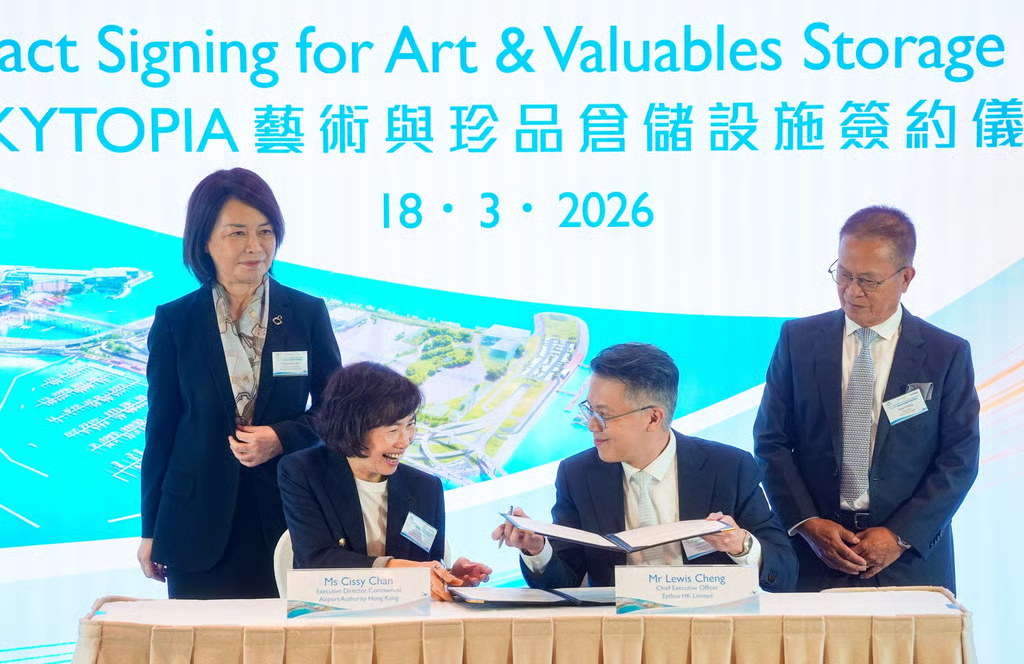
Hong Kong’s Airport Authority has partnered with local firm Eythos to build a HK$300 million (US$38.28 million) art storage facility, slated to open next year as part of the Skytopia Airport City expansion.
CEO Vivian Cheung Kar-fay highlighted Hong Kong’s status as the world’s second-largest primary art trading market and a key gateway to mainland China. The 4,920 square metre, two-storey facility will leverage an existing structure. It aims to create an integrated art ecosystem that bolsters the city’s role as Asia’s aviation and culture hub.
Cissy Chan Ching-sze, the authority’s commercial executive director, cited strong demand driven by Hong Kong’s free-trade and tax-free policies. Collectors and investors often store art locally to avoid taxes incurred upon export. Eythos founder Lewis Cheng noted features like gas-based fire suppression and climate-controlled racks for unpackaged artworks.
The facility supports art’s full lifecycle, from storage to exhibition, complementing Eythos’ role as shipper for fairs like Art Basel Hong Kong and Frieze Seoul. Skytopia will also pursue water-themed projects, including a marina by 2028.