Asia Art Weekly News Bulletin – ISSUE 61 Week of 20 April 2026
(1) Hong Kong’s rise as East Asia’s thriving art hub
Art Basel underscores Hong Kong’s continued importance as East Asia’s leading art hub, combining global market reach, mainland buying power and growing cultural infrastructure despite rising regional competition.
(2) K pop boyband SEVENTEEN’s JOSHUA explores Hong Kong’s vibrant art scene
K-pop boyband SEVENTEEN’s Joshua Hong fronts a new Hong Kong tourism campaign, highlighting Art Basel, Art Central and the city’s growing push to brand itself as a global arts hub..
(3) Shunde’s He Art Museum pivots from carrying on family legacy to amplifying local voices
The He Art Museum in Shunde is evolving from a prestige private museum into a Greater Bay Area art force, with exhibitions increasingly reflecting the social changes reshaping contemporary China.
(4) Curator looks to East Asia’s wisdom to reinvent modern galleries
A Guangzhou exhibition brings together Chinese and South Korean artists to revive East Asian artistic traditions and make contemporary art feel more accessible, collective and rooted in shared culture.
(1) Hong Kong’s rise as East Asia’s thriving art hub
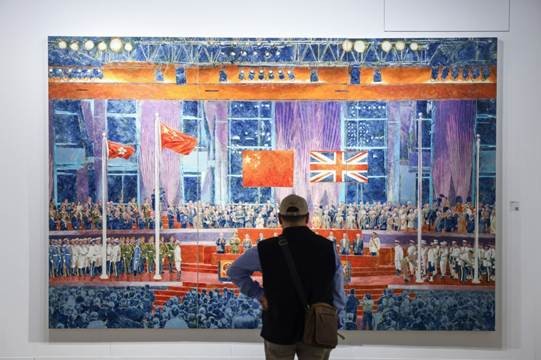
(Photo Credit: SCMP)
As Art Basel Hong Kong opens its doors, the city once again asserts its role as the primary intersection for the East Asian art world. Despite a shifting regional landscape, Hong Kong remains a globally integrated market that attracts collectors, curators, and gallerists from across the globe. Experts argue that the city’s significance is rooted in its history as a connective hub for people and ideas.
The evolution of the local market has been dramatic over the last two decades. Levina Li-Cadman of Art-Partners notes that the trade, once upon a time, focused almost exclusively on secondary auctions of Chinese antiquities. The arrival of Art Basel in 2013 transformed the city into an international destination, and Hong Kong now ranks third globally in art sales revenue. This financial success is supported by a tax-free environment and a maturing gallery sector that attracts significant purchasing power from mainland China.
Beyond the commercial spectacle, the city has invested heavily in public cultural infrastructure. The West Kowloon Cultural District and institutions such as M+ provide the structural density required to compete with rising hubs like Seoul and Beijing.
While the East Asian ecosystem becomes increasingly multicentred, Hong Kong maintains its lead by serving as both a high-stakes marketplace and a vital site for cultural exchange.
News Source: https://www.scmp.com/special-reports/article/3350942/hong-kongs-rise-east-asias-thriving-art-hub?pgtype=live
(2) K pop boyband SEVENTEEN’s JOSHUA explores Hong Kong’s vibrant art scene
(Photo Credit:Hong Kong Tourism Board)
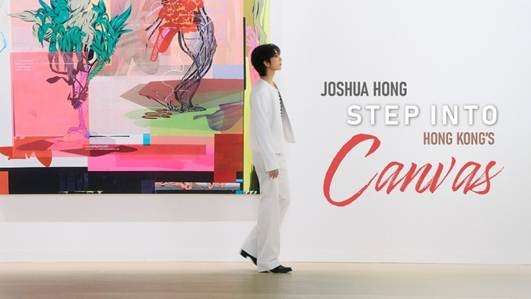
K-pop boyband SEVENTEEN member Joshua Hong has stepped into the spotlight for Hong Kong’s latest tourism campaign, showcasing the city’s thriving arts scene in a new promotional video. Invited by the Hong Kong Tourism Board, the K-pop star highlights Hong Kong’s ambition to become a global creative hub.
With nearly 10 million Instagram followers, Hong is known for his keen interest in art, design, and lifestyle. In the video, he visits the gallery section of Art Central, where he takes time to examine works by both international and local artists. The reel also features major events such as Art Basel Hong Kong and Art Central, which draw collectors and visitors from around the world each year.
The campaign portrays Hong Kong as “a living gallery,” where streets and buildings become canvases for creativity and storytelling. Through world-class fairs and innovative public installations, the city aims to strengthen its image as Asia’s world city.
The feature is part of the ongoing “Discover Hong Kong” initiative, which promotes the city’s diverse cultural offerings to a global audience.
(3) Shunde’s He Art Museum pivots from carrying on family legacy to amplifying local voices
(Photo Credit: HEM / SCMP)
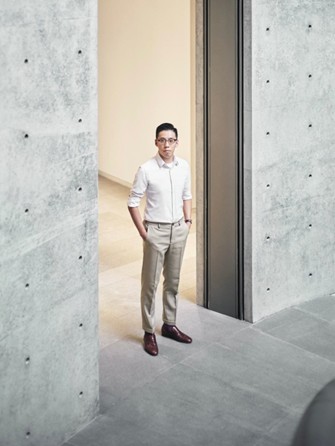
The He Art Museum in Shunde has emerged as an increasingly notable destination in the Greater Bay Area’s cultural landscape, drawing international art visitors ahead of Hong Kong art week and positioning itself as more than a satellite stop outside the city. Opened in 2020 by the He family, owners of Chinese appliance giant Midea, the private museum is housed in a striking building designed by Japanese architect Tadao Ando and has become known for blending architectural ambition with contemporary art programming.
Despite growing competition from new museums planned in nearby Shenzhen, the museum is expected to remain an important player in the region’s art scene. Its development, however, has not been entirely smooth. According to museum director Shao Shu, the institution has had to find its own identity while operating in a rapidly changing cultural environment.
The museum was founded by He Jianfeng, the eldest son of Midea’s founder, and initially followed a familiar path taken by many wealthy private museums in China. It staged exhibitions featuring internationally recognised artists to establish credibility and raise its profile, including a major retrospective for acclaimed American artist Roni Horn in 2023.
Now, the focus appears to be shifting toward projects that respond more directly to the social changes and complexities shaping contemporary China. Rather than relying only on star power and global names, the museum is increasingly associated with exhibitions that engage with deeper realities produced by economic and societal transformation.
This evolution suggests the He Art Museum is seeking a more distinctive role, one rooted not just in prestige, but in interpreting the changing conditions of Chinese life through art.
News Source: https://www.scmp.com/lifestyle/arts/article/3350669/shundes-he-art-museum-pivots-carrying-family-legacy-amplifying-local-voices?pgtype=live
(4) Curator looks to East Asia’s wisdom to reinvent modern galleries
(Photo Credit: XINHUA / China Daily)
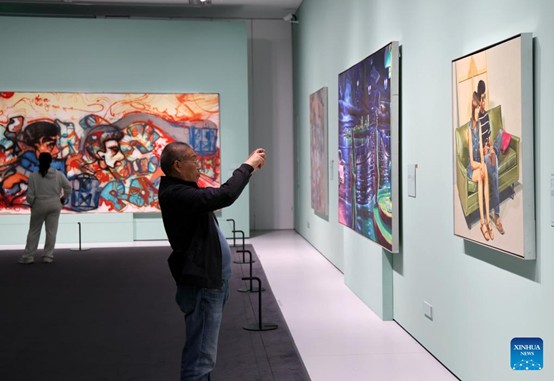
A new exhibition at the Guangdong Museum of Art in Guangzhou seeks to rethink how contemporary art is experienced by drawing on East Asian cultural traditions rather than Western museum conventions. Titled “The Excursion to Nanpi”, the show opens on 21 April and brings together 16 artists from China and South Korea under the curation of Lee Jin myung, a professor at Hongik University in Seoul.
Lee argues that contemporary art has become too distant from ordinary people and that Western centered art systems are no longer offering convincing new directions. In response, he looks to East Asian traditions for an alternative approach, particularly the idea of the “yaji”, or elegant gathering, in which poetry, calligraphy, painting and music are practiced together as part of a shared human experience. The exhibition takes its name from historic excursions to Nanpi in the early third century, when Cao Pi and a circle of scholars gathered to create art collectively in nature.
Through both the exhibition and related seminars, Lee aims to translate that spirit into a modern museum setting. Rather than presenting art as something remote or requiring expert interpretation, he wants viewers to engage with works more intuitively and directly. He says art should be open to everyone and should not be limited by social status, wealth or specialist knowledge.
The project also highlights cultural exchange between China and South Korea. Artists involved said they found both shared sensibilities and meaningful differences in each other’s visual languages. Lee sees Guangzhou as an especially fitting venue because of its long role as a gateway between China and the outside world, and he hopes for deeper, longer term artistic collaboration between the two countries.
News Source: https://www.chinadailyhk.com/hk/article/632302