Asia Gaming Weekly News Bulletin – ISSUE 55 Week of 9 March 2026
(1) Vietnam’s Gaming Market Heavily Driven by Korean
Vietnam’s foreigner-only casinos and e-gaming clubs rely heavily on Korean gamblers for revenue growth, with operators adapting to diverse player segments, digital tools, and new direct flights.
(2) With sale of Jeju Sun, Bloomberry Resorts bows out of South Korea gaming market
Bloomberry Resorts has fully exited South Korea’s casino market by selling Jeju Sun Hotel & Casino’s gaming operations for about US$5 million while retaining the property for hotel and leasing use.
(3) Korea Casinos Ride Chinese, Japanese Tourist Wave in Early 2026
Korea’s foreigner-only casinos saw robust early-year growth from Chinese and Japanese tourists.
(4) Banned At Home, Thriving Offshore: The New Reality Of India’s Online Betting Market
India’s real money online gaming ban has shifted betting activity to resilient offshore platforms, where usage has surged despite enforcement effort.
(1) Vietnam’s Gaming Market Heavily Driven by Korean
(Photo Credit: IGAMINGTODAY)
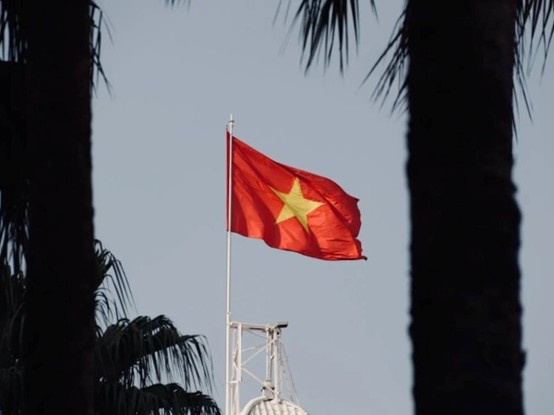
Vietnam’s casino sector continues robust growth, primarily fueled by Korean gamblers who dominate revenue at foreigner-only integrated resorts and urban e-gaming clubs. While Chinese visitor numbers rebound slightly erodes their market share, Koreans remain the core driver, with spending up over the past year amid rising international travel.
Korean player profiles are diversifying: premium mass segments from business and manufacturing sectors show strong betting across casinos and electronic gaming, while budget-conscious mass gamblers prioritize costs, packages, and rebates over pure leisure trips.
Integrated resorts like Grand Ho Tram, Hoiana, and Corona draw repeat Korean tourists for multi-day stays blending gaming, hotels, dining, spas, and golf, whereas city e-gaming hubs attract frequent short visits from expats and workers focused solely on high-stakes tables. Younger Koreans increasingly favor digital slots and online tables alongside traditional baccarat.
Operators ramp up digital tools like apps and chat for retention, intensify promotions, and hire Korea-savvy staff amid fierce competition, with analysts forecasting at least 15% customer growth from new direct flights via Long Thanh Airport, plus Vietnam’s cost edge, familiar cuisine, and safety appeal over rival destinations.
News Source: https://www.igamingtoday.com/korean-demand-drives-vietnams-expanding-gaming-market-as-sector-becomes-more-digital/
(2) With sale of Jeju Sun, Bloomberry Resorts bows out of South Korea gaming market
(Photo Credit: iGB)
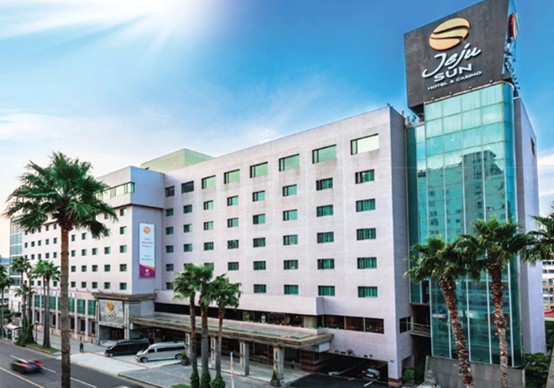
Bloomberry Resorts Corporation, led by Enrique Razon Jr., has finalized its exit from South Korea’s casino sector by selling the gaming operations of Jeju Sun Hotel & Casino. The deal involved spinning off the casino license and activities into a new entity, Heaven Co Ltd, which was acquired by Gangwon Blue Mountain Co Ltd via Blue One Ltd for KRW7 billion, with KRW3 billion due next year.
The property, bought in 2015 and rebranded from its prior name, proved challenging due to South Korea’s restrictions barring locals from most casinos except one remote site. Razon had earlier criticized the investment as unwise, noting it limited growth into a full resort by relying solely on tourists.
Bloomberry retains the real estate, including the 208-room hotel near Jeju International Airport, gaming floor, dining, and events areas, which it leases to the new operator while running non-gaming parts. A prior 2016 sale attempt collapsed over buyer financing issues.
Proceeds support expansion in the Philippines, including Solaire resorts in Manila and Quezon City, a forthcoming Cavite site, and the early 2025 launch of Solaire Online iGaming.
(3) Korea Casinos Ride Chinese, Japanese Tourist Wave in Early 2026
(Photo Credit: IGAMMINGTODAY)
Korea’s foreigner-only casinos kicked off the year strongly, fueled by surging Chinese and Japanese visitors. Major operators Paradise, Lotte Tour Development, and Grand Korea Leisure posted combined net sales of KRW334.1 billion for January-February, up 27% from last year, while total drop amounts climbed over 10% to KRW2.1944 trillion. Paradise led with KRW181.2 billion in sales (up 26.1%) and a 5.7% drop increase, followed by Lotte Tour’s 50.4% sales surge to KRW78.2 billion and GKL’s 11.8% rise to KRW74.7 billion.
Inbound tourism recovery drove the gains, with January foreign arrivals reaching 1.265 million, up 13.3% year-on-year and near pre-pandemic levels. Chinese visitors topped 418,000 and Japanese 225,000, boosting Jeju venues especially through visa-free group travel and new flights. Lotte’s Jeju Dream Tower saw 40.6% more visitors, while Paradise’s Jeju Grand Casino sales jumped 30.1%.
Operators are shifting from VIP reliance toward mass-market growth as everyday tourists flock to tables and slots. Paradise acquired the Grand Hyatt Incheon to expand capacity near its Paradise City resort, balancing high-roller perks with broader volume. Lotte and GKL also benefited in Jeju and urban spots like Seoul and Busan.
Analysts forecast continued momentum from a weak won, Japan’s travel constraints, and rising Q2 demand, positioning the sector for robust expansion. Jeju’s group-tour appeal and urban steady gains, alongside mass-market adaptations, signal a promising phase ahead.
News Source: https://www.igamingtoday.com/korea-casinos-ride-chinese-japanese-tourist-wave-in-early-2026/
(4) Banned At Home, Thriving Offshore: The New Reality Of India’s Online Betting Market
(Photo Credit: The Logical Indian)
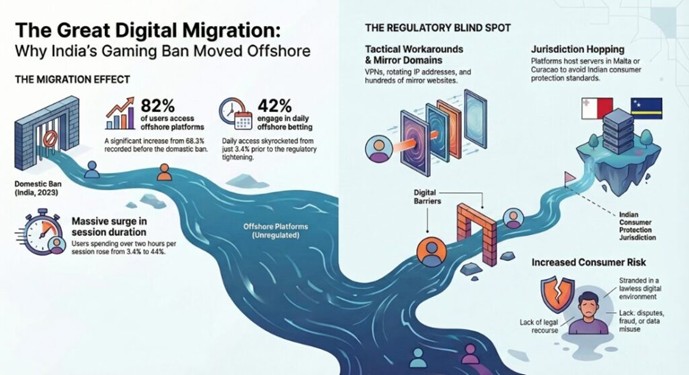
India’s 2025 ban on real money online gaming aimed to tackle addiction, debt, and illicit betting but has instead driven activity to offshore platforms beyond local oversight. Foreign sites, accessible via mirror domains and crypto payments, continue drawing users despite domestic restrictions tightening under the new Online Gaming Act. A CUTS International survey revealed usage jumping from 68% pre-ban to 82% post-ban, with daily engagement soaring to over 42% of participants.
User habits shifted markedly, as many now spend extended sessions, up to 44% exceeding two hours, and some exceed 10,000 rupees monthly on unregulated foreign services. Platforms registered in places like Curacao or Malta host servers elsewhere, rapidly deploying alternatives when blocked, while aggressive marketing through affiliates and influencers sustains their reach. This mirrors patterns in torrenting, crypto exchanges, and streaming, where prohibitions relocate rather than erase digital demand.
Enforcement struggles against VPNs, IP rotations, and unofficial app channels, compounded by cybersecurity risks and fraud potential in apps lacking oversight. Cases like the massive Mahadev betting network highlight ongoing illegal flows worth crores daily. Consumers face eroded protections, with weaker verification, dispute handling, and responsible gaming measures compared to former local operators.
The episode underscores a core regulatory tension: national rules falter against borderless digital flows. Experts like Nikhil Kamath note bans fail to solve root issues, urging cross-border ties, payment scrutiny, and ad curbs for balanced oversight that shields users without fueling shadow markets.
News Source: https://thelogicalindian.com/banned-at-home-thriving-offshore-the-new-reality-of-indias-online-betting-market/