Asia Gaming Weekly News Bulletin – ISSUE 89 Week of 2 November 2026
(1) Corona Resort & Casino on Phu Quoc set new benchmark for regulated gaming in Southeast Asia
Vietnam’s Corona Resort & Casino on Phu Quoc is positioning itself as a regulated, integrated leisure destination that combines casino gaming with extensive hotel, dining, entertainment and MICE facilities, offering an alternative to more established markets such as Macau and Singapore.
(2) TRM: 34 casinos in Cambodia received US$1.07 billion in crypto assets; 64% linked to OFAC-sanctioned networks
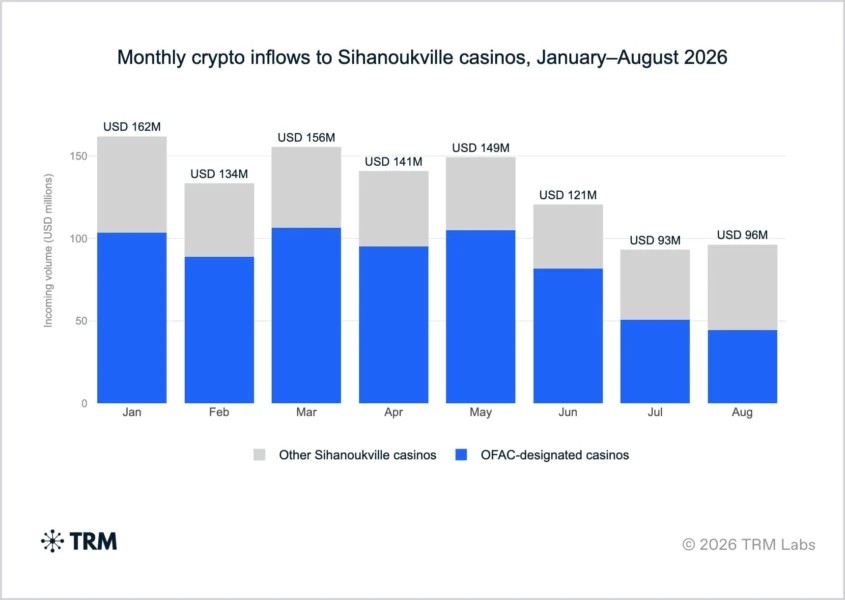
Blockchain analytics firm TRM Labs reported that 34 physical casinos in Sihanoukville, Cambodia, received approximately US$1.07 billion in cryptocurrency between 1 January and 7 September 2026, with 64% of the funds flowing to casinos connected to networks sanctioned by the US Treasury’s OFAC.
(3) Sri Lanka’s gambling regulator missed two deadlines; targets 31 December for new guidelines
Sri Lanka’s newly established Gambling Regulatory Authority (GRA) has set 31 December 2026 as its revised target date for publishing casino and online gaming regulations after missing earlier deadlines of June and 30 November.
(4) Aichi received applications for airport-island integrated resort; detailed proposals due by March 2027
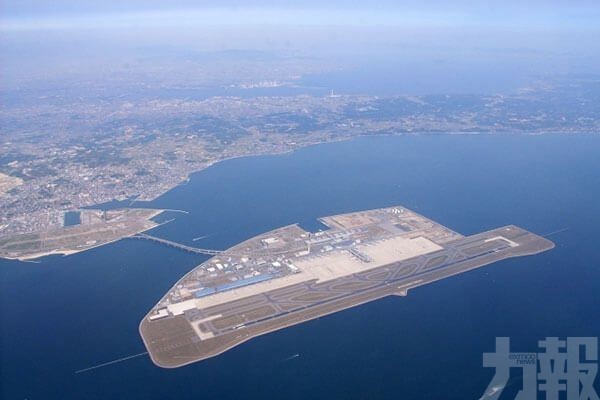
Aichi Prefecture has confirmed receipt of participation documents from private companies for its proposed integrated resort on the Chubu Centrair International Airport island, with detailed proposals required by 23 March 2027.
(1) Corona Resort & Casino on Phu Quoc set new benchmark for regulated gaming in Southeast Asia
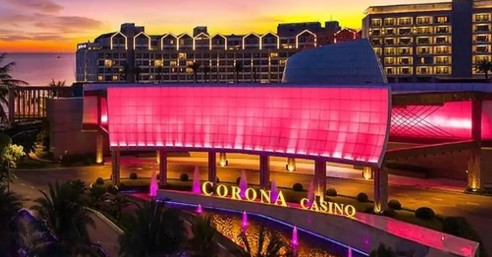
(Photo Credit: Bastille Post)
Vietnam’s Corona Resort & Casino (科羅娜度假村及賭場) occupies 18,800 square metres and houses 484 slot machines, 157 electronic table games and 147 gaming tables offering baccarat, poker, sic bo, roulette and other products. It is managed by Netherlands-based Upffinity Gaming Management B.V. under Vietnam’s regulatory framework and is the first casino in the country authorised to admit eligible Vietnamese citizens, while international visitors may enter free of charge with a valid passport.
The wider resort complex provides more than 3,000 rooms, suites and villas across Radisson Blu (島麗笙藍標度假酒店), Wyndham Grand (溫德姆至尊酒店), Wyndham Garden (溫德姆花園大世界酒店) and VinHolidays properties, together with over 20 restaurants and bars, a large convention centre, VinWonders theme park, Vinpearl Safari, an 18-hole golf course and spa facilities. The development promotes a “one destination, endless experiences (一站式目的地,無限精彩體驗)” concept aimed at leisure, entertainment and business travellers.
Corona has received recognition from the World Casino Awards (世界賭場大獎), including titles for best casino entertainment centre in the world and in Asia, and best casino hotel in Vietnam. The island benefits from visa-free stays of up to 30 days for many foreign passport holders, and ongoing infrastructure upgrades are supporting its growth ahead of events such as the 2027 APEC meetings.
(2) TRM: 34 casinos in Cambodia received US$1.07 billion in crypto assets; 64% linked to OFAC-sanctioned networks
(Photo Credit: PANews)
Nearly all of the transfers (99.9%) reported by TRM Labs were conducted in USDT on the TRON blockchain. Monthly inflows averaged about US$148 million from January to May before declining to roughly US$95 million in July and August, though activity did not cease entirely.
The casinos converted the USDT into cash and, according to the analysis, performed little customer due diligence. Crypto-to-cash services were also widely available through pawn shops, supermarkets and exchange counters across the city, facilitating the rapid conversion of digital assets into physical currency.
The findings highlight ongoing concerns over the use of Cambodia’s casino sector for potentially illicit fund flows and the limited transparency surrounding customer verification in parts of the market. Authorities and compliance observers continue to monitor the scale and destinations of such cryptocurrency movements.
News Source: https://tw.tradingview.com/news/panews:074c46c68acdf:0/
(3) Sri Lanka’s gambling regulator missed two deadlines; targets 31 December for new guidelines
(Photo Credit: IAG)
Director General of Gambling Regulatory Authority (博彩監管局) Dr W.M.K.G.A. Wickramasinghe confirmed the new timetable, stating that the regulations, originally drafted by an international advisory team, are currently under review by a committee and have been returned to the Authority for finalisation.
The delays come amid growing concern over unregulated gambling. Official data submitted to parliament indicated six licensed casino operators (five currently operating) and 37 licensed sports-betting and horse-racing operators, but no online gaming operators had registered with the Inland Revenue Department at the time of reporting.
Strengthening tax collection is a core objective of the GRA, which was established under the Gambling Regulatory Authority Act No. 17 of 2025 (2025 年第 17 號博彩監管局法令). Gaming tax revenue totalled LKR 9.81 billion in 2024, with an additional LKR 5.1 billion in casino licence fees.
From 1 January 2026 the tax rate on monthly GGR above LKR 1 million was raised from 15% to 18%, and the entry levy for Sri Lankan citizens doubled to US$100.
(4) Aichi received applications for airport-island integrated resort; detailed proposals due by March 2027
(Photo Credit: Exmoo)
To maintain fairness, Aichi prefectural government has not disclosed the number or names of applicants. The project is planned on approximately 50 hectares of land in Tokoname City (常滑市) adjacent to the existing Aichi Sky Expo exhibition facilities and is intended to include a casino, hotels, convention and entertainment amenities focused on MICE business (會展產業).
Aichi launched the solicitation process on 1 April 2026, later extending the deadline for initial participation documents from 31 July to 30 September. The prefecture will continue discussions with applicants, conduct qualification reviews and seek evaluation by an expert committee before selecting an operating partner.
Under the tender conditions, the project term would run for 35 years from national approval of the regional development plan, with any extension subject to prefectural consent. The operator would generally bear project and land-use costs. Japan’s next national application window for integrated-resort development plans is scheduled to run from 6 May to 5 November 2027.
News Source: https://www.exmoo.com/article/267539.html