Asia Art Weekly News Bulletin – ISSUE 55 Week of 9 March 2026
(1) Digital exhibit ’20!2026 Art Seoul’ aims to enhance trust, accessibility in the art market
“20!2026 Art Seoul,” a new digital art exhibition launching March 16 in Seoul, Korea, will feature around 1,000 works by 65 artists. Its standout “80 percent guarantee” policy lets buyers request an 80% refund within one year, aiming to build trust, boost liquidity, and lower barriers for new collectors.
(2) A new map of the Asian art market is emerging
Despite two challenging years for the Asian art market, high-net-worth collectors in the region continued strong spending in 2024 to 2025. Singapore and Japan emerged as key growth hubs with surging imports, while Hong Kong remains central. Galleries like Kwai Fung Hin are expanding into Singapore and eyeing Japan amid shifting wealth and maturing collector bases.
(3) “We Will Show Works That Break the Boundaries of Art in Korea”
Lazy Mike gallery, originally founded in Moscow in 2016 and now based in Seoul, will participate in ART OnO 2026 in Seoul next month. The gallery aims to highlight “borderless art” by presenting six artists, including Marcin Janusz from Poland and Korean artist Ha Minsu, while expanding its presence amid a global market downturn.
(4) Gulf Art Institutions Shutter amidst US-Israeli Strikes
Multiple museums, galleries, and university campuses in the UAE, Qatar, and Bahrain have temporarily closed due to Iranian missile attacks targeting US assets in the region. Disruptions include postponed exhibition openings in Dubai, with institutions like Jameel Arts Centre, Alserkal Avenue galleries, Louvre Abu Dhabi, and NYU Abu Dhabi shifting programs online or to remote learning.
(1) Digital exhibit ’20!2026 Art Seoul’ aims to enhance trust, accessibility in the art market
(Photo Credit: ART SEOUL)
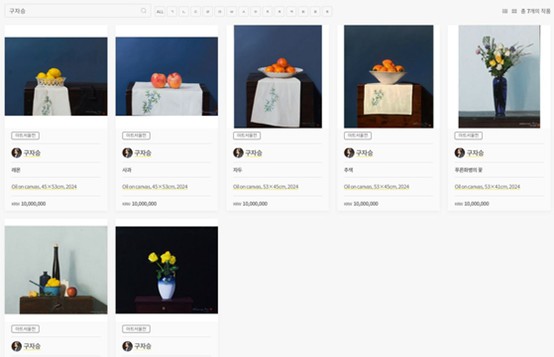
A new digital art exhibition, “20!2026 Art Seoul” is set to launch on March 16 in Seoul, Korea, showcasing approximately 1,000 artworks by 65 artists. Organiser MANIF announced the event on Wednesday, highlighting its innovative “80 percent guarantee” system, which allows buyers to request an 80% refund of the purchase price within one year of acquisition.
The policy, introduced after a successful pilot last year, seeks to increase trust in art transactions, enhance liquidity, and make collecting more accessible. Works will be priced at 10 million won or less, spanning veteran and emerging artists selected through a juried competition. Secure transactions use escrow accounts, with a dedicated resale channel available on artseoul.com after the guarantee period ends.
MANIF, the group behind Korea’s first international art fair (founded 1995), has rebranded its digital revival as “Art Seoul.” The exhibition incorporates blockchain authentication for images and certificates to prevent forgery, rational fixed pricing in partnership with the Korea Art Appraisal Association, and a digital “hwagye-do”—a genealogical map serving as an online catalogue raisonné for each artist’s oeuvre.
A “t-MANIF” section offers limited-edition prints (12 per edition), premium pigment prints, blockchain certificates, and customisable “digital postcards” with buyer-added text and emoticons. The show runs through April 13 and positions itself as a testbed for a transparent, data-driven art distribution model suited to the digital era.
News Source: https://koreajoongangdaily.joins.com/news/2026-03-04/culture/artsDesign/Digital-exhibit-202026-Art-Seoul-aims-to-enhance-trust-accessibility-in-the-art-market/2536662
(2) A new map of the Asian art market is emerging
(Photo Credit:Art Basel)
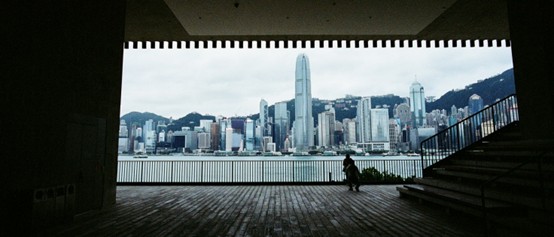
The Asian art market has faced headwinds over the past two years, including declining global imports and geopolitical tensions, yet high-net-worth collectors sustained significant spending on art and antiques. The Art Basel & UBS Survey of Global Collecting 2025 highlights shifting wealth patterns, a maturing collector base, and new art hubs across the region.
Hong Kong retains its position as Asia’s leading art center, but Singapore and Japan showed explosive growth in 2024. Singapore became the world’s fifth-largest art importer with a 74% surge to nearly USD 1.7 billion, while Japan ranked sixth with imports doubling to over USD 1.1 billion. South Korea is also gaining traction.
Hong Kong gallerist Catherine Kwai opened her first overseas outpost of Kwai Fung Hin in Singapore in January, citing the city’s rising potential. The inaugural show, “Worlds Beyond Reality – Monet’s Legacy II,” pairs French Impressionism with Asian masters like Zao Wou-Ki, Chu Teh-Chun, Lalan, and Li Huayi. Kwai attributes momentum to wealthy Indonesians, Vietnamese, Mainland Chinese, and Taiwanese establishing family offices in Singapore.
Japanese collector Kankuro Ueshima, who relocated part of his activities to Singapore, praises easier access to Southeast Asian art. Phillips’ Sandy Ma notes a rise in serious high-profile collecting in Singapore, while Sotheby’s returned to the city in 2022 and saw 35% higher sales in January 2026.
Despite import declines in Hong Kong and Mainland China in 2024 to early 2025, recent months show renewed transaction confidence. Galleries report stronger secondary-market sales, extended exhibition runs, and selective buying focused on Asian Modernism, Impressionism, and proven blue-chip works. Younger collectors increasingly explore their cultural roots, favoring emerging Chinese artists. Southeast Asia, particularly Jakarta and Bangkok, draws growing attention from auction houses and private collectors.
News Source: https://www.artbasel.com/stories/art-market-trends-japan-singapore-hong-kong-asia?lang=zh_CN3
(3) “We Will Show Works That Break the Boundaries of Art in Korea”
(Photo Credit: Lazy Mike Gallery)
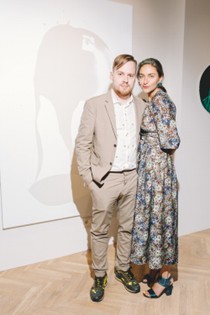
Lazy Mike, a Seoul-based gallery known for introducing Eastern European artists alongside talents from Europe and the Americas, will join ART OnO 2026 in Seoul next month. Co-director Mikhail Obcharenko, who launched the gallery in Moscow in 2016, described the fair as a platform to reinforce its “borderless art” identity and introduce works that create new narratives within the Korean context.
Obcharenko began his career in 2009 at Moscow’s Regina Gallery, organizing exhibitions for international artists like Jonathan Meese, Jack Pierson, Daniel Richter, and Rose Wylie. The 2022 Russo-Ukrainian War forced closure in Moscow and relocation to Riga, Latvia. Despite initial concerns, international support proved strong. Lazy Mike now operates with a Korean co-director, maintains an administrative office in Riga, and runs its exhibition program from Seoul. It has consistently supported Ukrainian artists and donated proceeds to the Ukrainian arts community since the war.
The gallery has seen growing interest from Korean collectors since 2022, leading to its permanent space in Seoul. Last September, it moved to a three-story building in Cheongdam-dong.
Obcharenko emphasized discovering artists who build their own worlds, independent of trends. The gallery also targets micro collectors through publishing, education, and accessible programs.
News Source: https://www.mk.co.kr/en/culture/11984173
(4) Gulf Art Institutions Shutter amidst US-Israeli Strikes
(Photo Credit: Leila Heller Gallery)
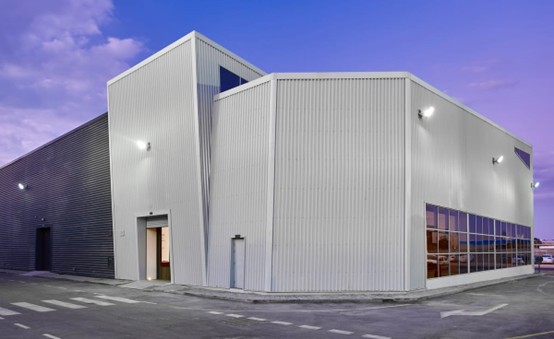
Cultural institutions across the Gulf have suspended in-person operations following Iranian missile and drone strikes on US assets in the region, triggered by US-Israeli attacks on Iran that reportedly killed hundreds. In the UAE, Dubai venues including Leila Heller Gallery, The Third Line, Jameel Arts Centre, and Alserkal Avenue have closed temporarily, with some programs moving online.
Abu Dhabi’s Louvre Abu Dhabi, NYU Abu Dhabi Art Gallery, and Sharjah Art Foundation have also paused activities. In Qatar, the Museum of Islamic Art and National Museum of Qatar shut their doors, while Bahrain museums followed suit. No reopening dates have been announced.
American university campuses shifted to remote learning: NYU Abu Dhabi, Georgetown University in Qatar, Carnegie Mellon University in Qatar, and Northwestern University in Qatar suspended in-person classes. The US advised citizens to leave several countries and closed embassies in Saudi Arabia and Kuwait after drone damage.
Art Dubai’s 20th edition (April 17–19) remains scheduled, with organisers monitoring developments closely and continuing preparations. The Gulf Cooperation Council foreign ministers urged UN Security Council action to halt further attacks endangering civilians. The closures reflect heightened security concerns amid ongoing regional conflict, impacting exhibition openings, public programs, and campus life across the UAE, Qatar, and Bahrain.
News Source: https://www.artasiapacific.com/news/gulf-art-institutions-shutter-as-iran-retaliates-for-us-israeli-strikes/