Asia Art Weekly News Bulletin – ISSUE 71 Week of 29 June 2026
(1) Basel fair showcases art flowing to and from China
Art Basel 2026 spotlighted the global art market’s 4% growth to $59.6B in 2025. China, the world’s third-largest market (14% share), shone through galleries like ShanghART (featuring Ding Yi’s geometric abstracts) and Beijing Commune, highlighting educated artists and increasingly diverse Chinese collectors driving international demand.
(2) Exhibitions across China to mark CCP’s 105th anniversary
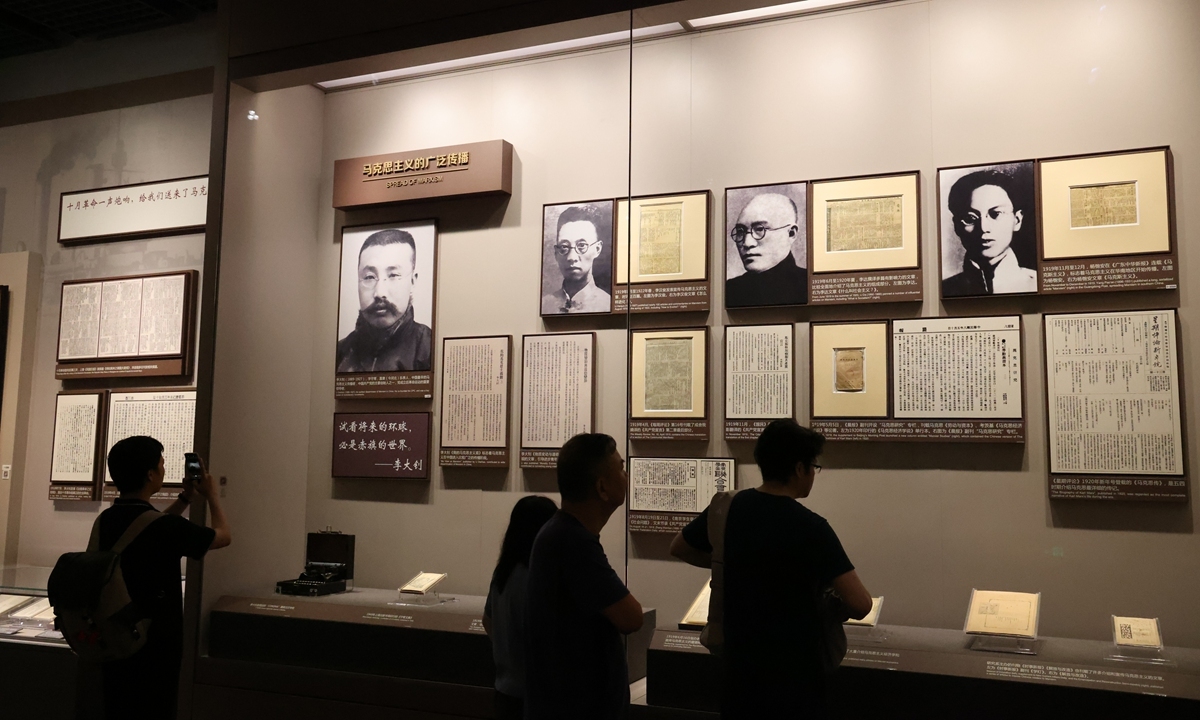
China is marking the Chinese Communist Party (CCP)’s 105th founding anniversary and the Long March’s 90th with immersive “red culture” exhibitions. Key shows in Beijing, Shanghai, and Jiaxing feature rare revolutionary relics, 105 selected paintings, and innovative multimedia displays of The Communist Manifesto, blending history with interactive art to engage modern audiences.
(3) ASYAAF 2026 Introduces Blind Exhibition, Voting to Select Top Artists
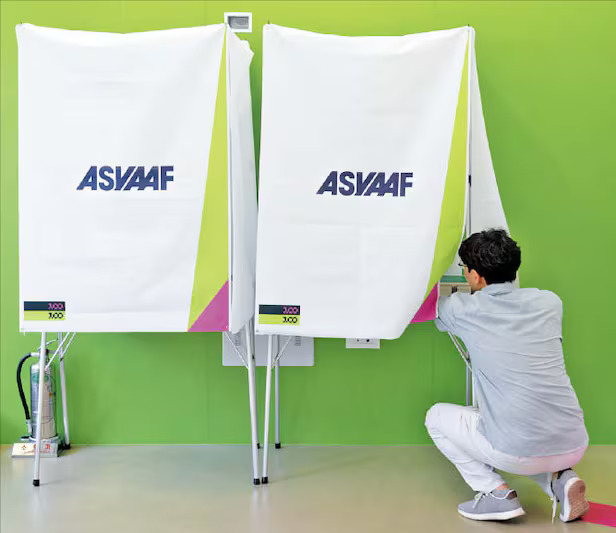
Seoul’s ASYAAF 2026, Asia’s biggest youth art festival, returned with a fresh “blind exhibition” twist: 100 rigorously selected young artists (no names or backgrounds shown) and public voting in polling booths. Top vote-getters win cash prizes and a major curated show at Paradise City.
(4) The Works That Waited: Uzbek Artist Vyacheslav Akhunov in Venice
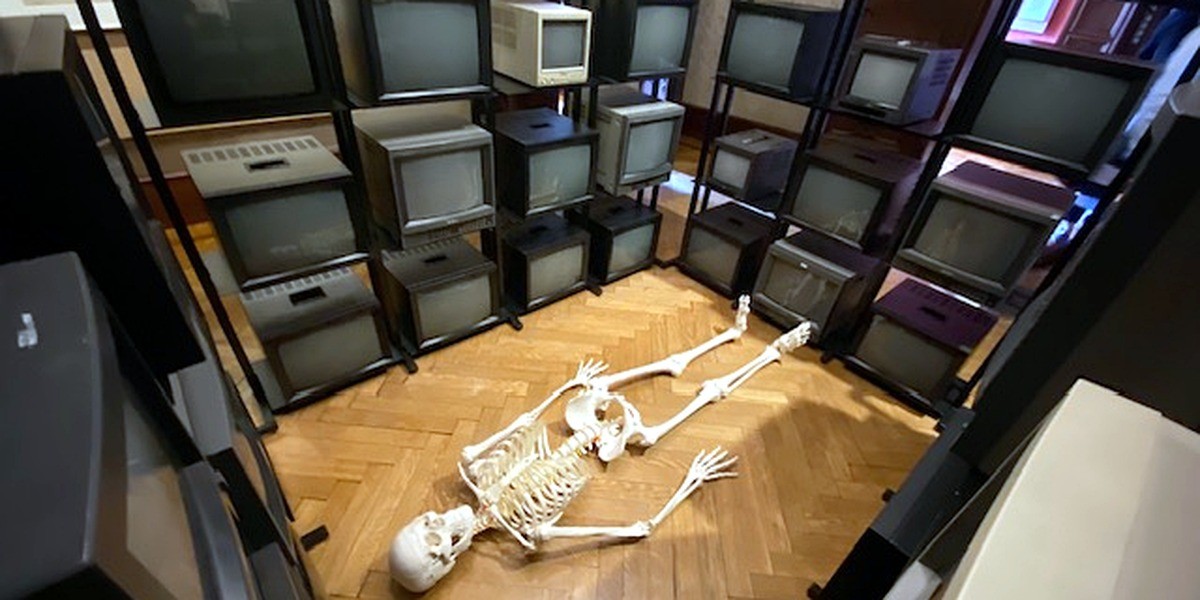
At Venice Biennale 2026, Uzbek conceptual artist Vyacheslav Akhunov’s “Instruments of the Mind” at Palazzo Franchetti shines as a highlight. The survey features decades of sharp, witty installations on Soviet memory, censorship, and resilience — from scissor arches to TV sarcophagi and erased photographs — underscoring Central Asia’s rising global art presence.
(1) Basel fair showcases art flowing to and from China
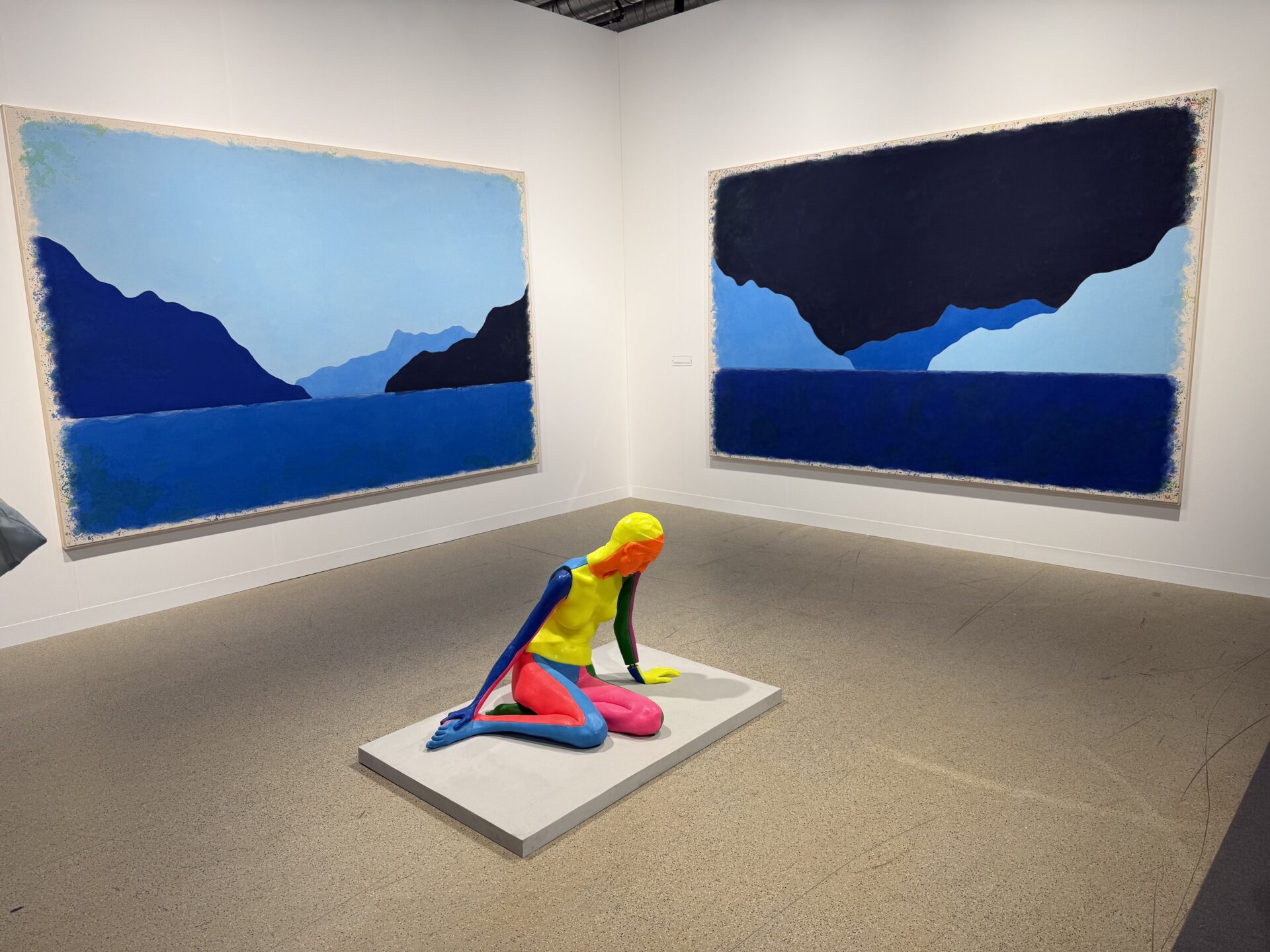
(Photo Credit: Julia Hamilton / CGTN)
The global art market rebounded in 2025, posting a 4% year-on-year increase to an estimated $59.6 billion, according to the Art Basel and UBS Global Art Market Report 2026. This recovery was prominently showcased at Art Basel, the premier international art fair, which gathered 290 galleries from 43 countries and territories. The event featured works by over 4,000 artists — ranging from Damien Hirst installations to museum-quality Picassos — drawing major collectors, institutions, and enthusiasts worldwide.
Growth was fuelled by strong high-end demand: public auction sales rose 9%, dealer sales increased 2%, and art fair sales reached 35% of dealer turnover, the highest share since 2022. The United States and United Kingdom led the market, but China ranked third, contributing 14% of global sales by value. The top three markets together accounted for 76% of worldwide activity.
Chinese galleries played a visible role at the fair. ShanghART, a pioneering Shanghai gallery with over two decades at Art Basel, highlighted works by Ding Yi, known for his large-scale abstract paintings featuring crosses and geometric patterns. Director Lorenz Helbling praised Chinese artists for their strong education, intense competition, and global perspective. Meanwhile, Beijing Commune emphasized the broadening and diversified interests of Chinese collectors and private museums, spanning blue-chip to emerging contemporary artists.
News Source: https://newseu.cgtn.com/news/2026-06-26/Basel-fair-showcases-art-flowing-to-and-from-China-1OgZQVRB1Qs/index.html
(2) Exhibitions across China to mark CCP’s 105th anniversary
(Photo Credit: IC / Global Times)
On the 105th anniversary of the founding of the Communist Party of China (CPC) and the 90th anniversary of the Long March victory, museums and galleries across China have launched a wave of “red culture” exhibitions. Institutions are using immersive scenes, interactive multimedia, and creative displays to make revolutionary history more engaging for visitors.
At Beijing’s Red Building of Peking University, a major exhibition unites 105 sets of precious relics from Beijing, Shanghai, and Jiaxing. Employing a “North-South echo” concept, it connects early revolutionary materials — such as issues of New Youth magazine and May Fourth Movement flyers — alongside a striking display of The Communist Manifesto in 105 editions across 15 languages.
In Jiaxing, Zhejiang — where the CPC’s First National Congress concluded on a boat on Nanhu Lake in 1921 — the Jiaxing Art Museum opened an exhibition of 105 selected paintings (55 Chinese paintings and 50 oil paintings) chosen from 3,650 submissions. The works depict historical moments and reflections on China’s landscapes and society.
Shanghai’s Memorial Hall of the First National Congress features a literature-themed exhibition highlighting its collection of over 130,000 items, including the prized first Chinese translation of The Communist Manifesto.
These exhibitions incorporate theatrical scenes, digital galleries, short dramas, QR-code storytelling, and participatory activities to bring artifacts to life and deepen visitor engagement.
News Source: https://www.globaltimes.cn/page/202606/1364631.shtml
(3) ASYAAF 2026 Introduces Blind Exhibition, Voting to Select Top Artists
(Photo Credit: Lee Tae-kyung / The Chosun Daily)
Asia’s largest youth art festival, ASYAAF 2026, opened on July 1 at Art Chosun Space in Seoul’s Gwanghwamun district. Now in its 19th year, the event has undergone a major transformation to emphasize quality and fair judgment.
Organizers drastically reduced participating artists from over 500 to just 100, selected through rigorous review. The festival introduced a “blind exhibition” system: artists’ names, backgrounds, education, and awards are completely hidden. No QR codes or catalogues provide extra information — only the artists’ own written explanations accompany the works.
The 100 selected artists (50 aged 19–29 in Part 1, 50 aged 30–39 in Part 2) each present three pieces, totalling around 150 works across painting, sculpture, and installation. Visitors receive ballots upon entry and cast votes in private polling booths reminiscent of election stations.
The top 10 artists (five from each age group), chosen purely by public vote, will share a 24 million Korean won prize pool. The top three in each category will also join a prestigious curated exhibition at Paradise City in October. Voters for the top winners can enter a lottery to win original artworks.
This innovative format aims to let the art speak for itself, offering young creators direct audience feedback.
News Source: https://www.chosun.com/english/travel-food-en/2026/07/01
(4) The Works That Waited: Uzbek Artist Vyacheslav Akhunov in Venice
(Photo Credit: Naima Morelli / The Times of Central Asia)
Central Asia is making a strong impression at the 61st Venice Biennale, with national pavilions from Kazakhstan, Uzbekistan, and Kyrgyzstan exploring themes of environment, identity, memory, and Soviet legacy. Among the standout Collateral Events is “Instruments of the Mind,” a major survey of Uzbek conceptual artist Vyacheslav Akhunov at Palazzo Franchetti on the Grand Canal.
A pioneering figure since the 1970s, Akhunov works across drawing, installation, collage, and performance. The exhibition foregrounds unrealized projects long delayed by censorship and lack of institutional support in Uzbekistan. Many works conceived as drawings decades ago are now realized as full-scale installations for the first time.
Highlights include “Triumphal Arch” (1979/2026), a corridor bristling with hundreds of scissors satirizing Soviet ribbon-cutting rituals; a miniature ideological city made from Soviet matchboxes; a tomb-like “House of Eternity/Sarcophagus” built from old CRT monitors; suitcases filled with sand preserving memory; and deliberately erased photographs and texts exploring forgetting.
Curated by Sara Raza of the Centre for Contemporary Arts Tashkent, the show reflects on survival of thought, political absurdity, spiritual persistence, and Uzbekistan’s evolving cultural landscape.
News Source: https://timesca.com/the-works-that-waited-uzbek-artist-vyacheslav-akhunov-in-venice/