Asia Fashion Weekly News Bulletin – ISSUE 51 Week of 9 February 2026
(1) Blackpink Lisa’s brand ties and collaborations so far for 2026, from Amazing Thailand to Louis Vuitton
Lisa expands her 2026 brand influence across luxury, tech, and sportswear with authentic campaigns, including her role as Thailand’s Amazing Thailand Ambassador promoting emotional travel experiences.
(2) Same price, worse quality: China’s women aren’t having it
Chinese consumers are exposing gender biases in fashion where brands like Ugg and Uniqlo charge equal prices for men’s and women’s items but use inferior materials for women, while oversized hangtags on women’s clothes combat high returns.
(3) Cutting ties with over 200 suppliers, Prada under RedNote scrutiny
Prada Group named Pieter Mulier as Versace’s new creative director amid falling sales, while cutting 222 suppliers over labor issues, as Chinese consumers question its high prices and demand better ethics and value.
(4) Chinese luxury group Icicle plots IPO as non-western labels shine
Chinese luxury brand Icicle explores IPO for parent ICCF in Hong Kong or Paris, eyeing 1-billion-euro valuation amid global push. The cashmere label joins homegrown rivals challenging western dominance as China’s market stabilises.
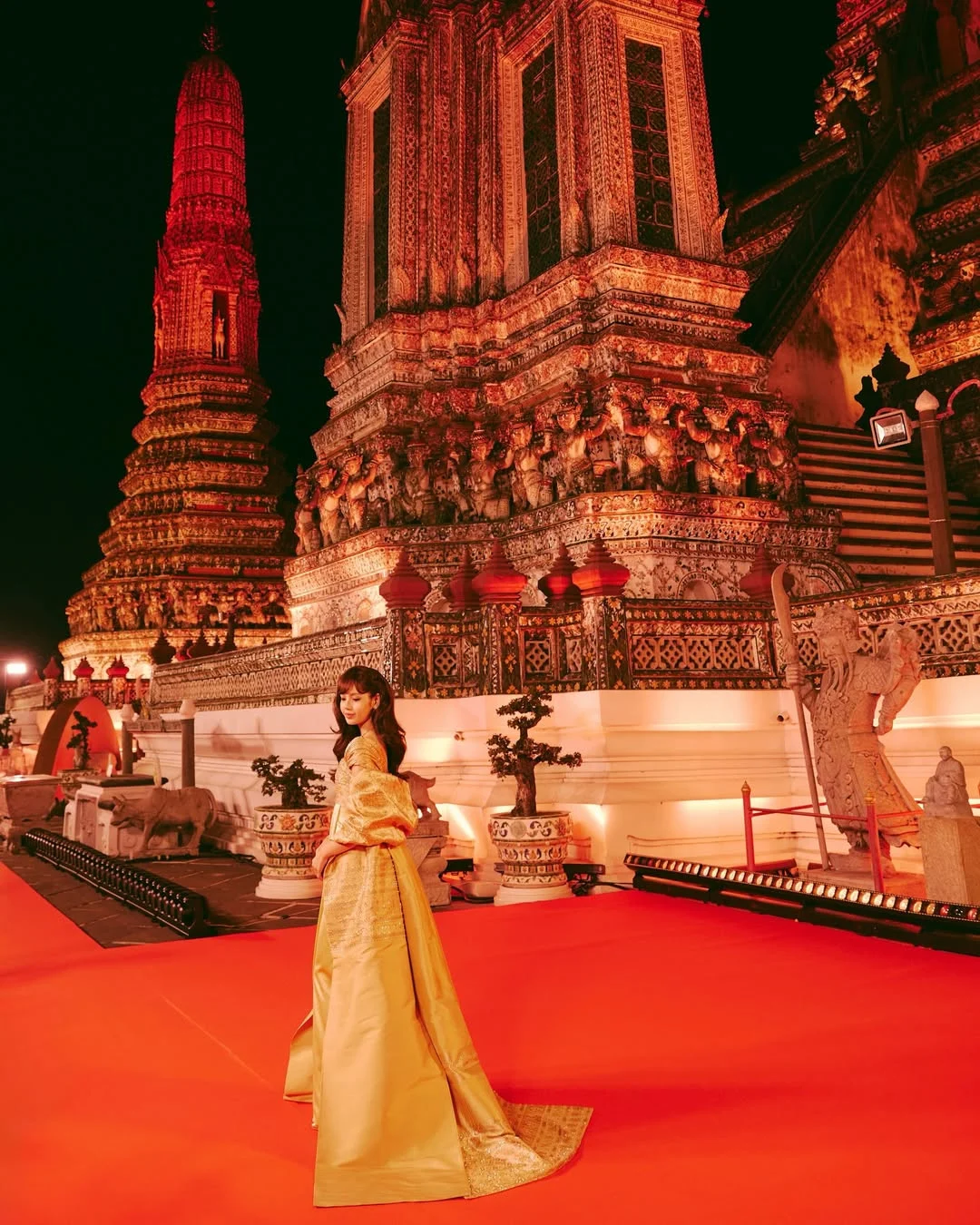
(Photo Credit: lalalisa_m/Instagram)
Lisa from BLACKPINK shows her wide appeal in 2026 through brand deals in luxury fashion, technology, and sportswear, for example, Nike; Bulgari; Playstation; Bose; Dentiste; and Louis Vuitton. These partnerships match her fast-paced life of music tours, workouts, and travel. Ads capture her in real action, like moving through airports or rehearsals, to make the brands feel part of her daily world and connect with fans everywhere.
She started the year as Thailand’s Amazing Thailand Ambassador for the Tourism Authority of Thailand’s “Feel All The Feelings” campaign. They kicked it off at Bangkok’s Wat Arun temple. TAT leader Thapanee Kiatphaibool said Lisa helps promote Thailand for deep, heartfelt trips, not just pretty views. This aims to make the country a top choice for meaningful vacations.
The campaign’s videos show Lisa with Thai stars at old Lanna temples, waterfalls, and sandy beaches. It focuses on stirring emotions and new discoveries. TAT links it to their “Trusted Thailand” push, which builds visitor trust through warm local welcomes and cultural depth. Overall, Lisa boosts Thailand’s image as a prime spot for quality leisure travel.
News Source: https://www.tatlerasia.com/lifestyle/entertainment/blackpink-lisa-brand-collaborations-2026
(2) Same price, worse quality: China’s women aren’t having it
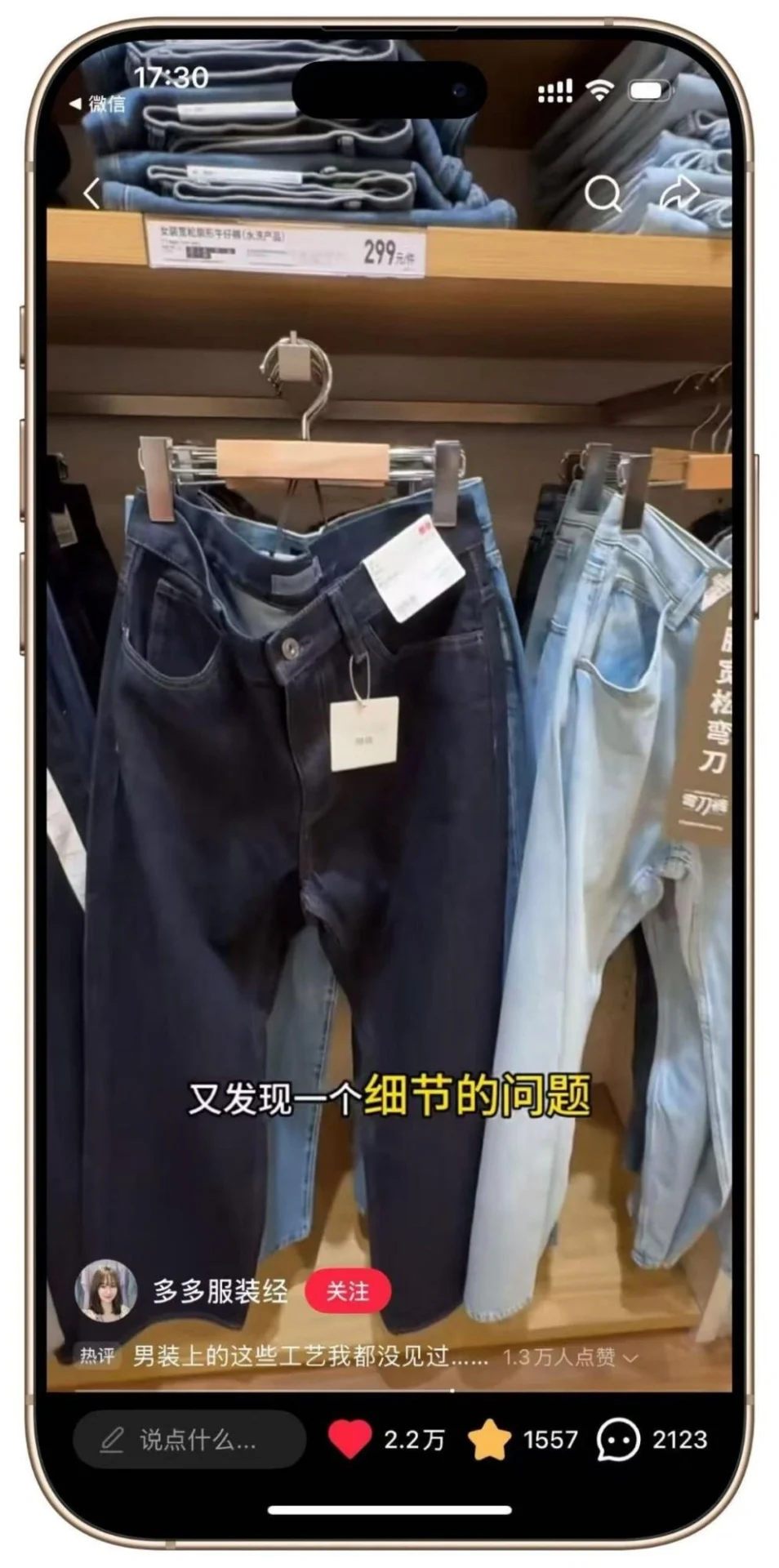
(Photo Credit: DuoduoFashion/Xiaohongshu)
Chinese consumers on platforms like Xiaohongshu are calling out brands for charging men and women the same price while using cheaper materials in women’s products, as seen in Ugg’s Tasman Lace slippers where men’s feature sheepskin fleece but women’s use a wool blend. Uniqlo faced similar backlash after a viral video showed men’s jeans with thicker, more durable pockets than women’s at equal prices. People argue this reflects outdated views that women care more about style than quality, pushing some women to buy men’s items for better value.
Brands also use oversized, rigid hangtags on women’s clothes to fight high return rates (50-60 percent for women vs 30-40 percent for men) under China’s no-questions return policy, making outfits uncomfortable until tags are cut off. During Singles’ Day, this tactic exploded in popularity, with one factory fulfilling 900,000 orders; some even lock zippers. Men’s tags stay small or become free gifts like socks, showing a trust gap.
These practices reveal deeper gender biases in design and sales, treating women as higher-risk buyers. Social media scrutiny now forces brands to rethink “rules of thumb,” as bias harms loyalty in a female-driven market where fairness defines trust.
News Source: https://jingdaily.com/posts/same-price-worse-quality-china-s-women-aren-t-having-it
(3) Cutting ties with over 200 suppliers, Prada under RedNote scrutiny
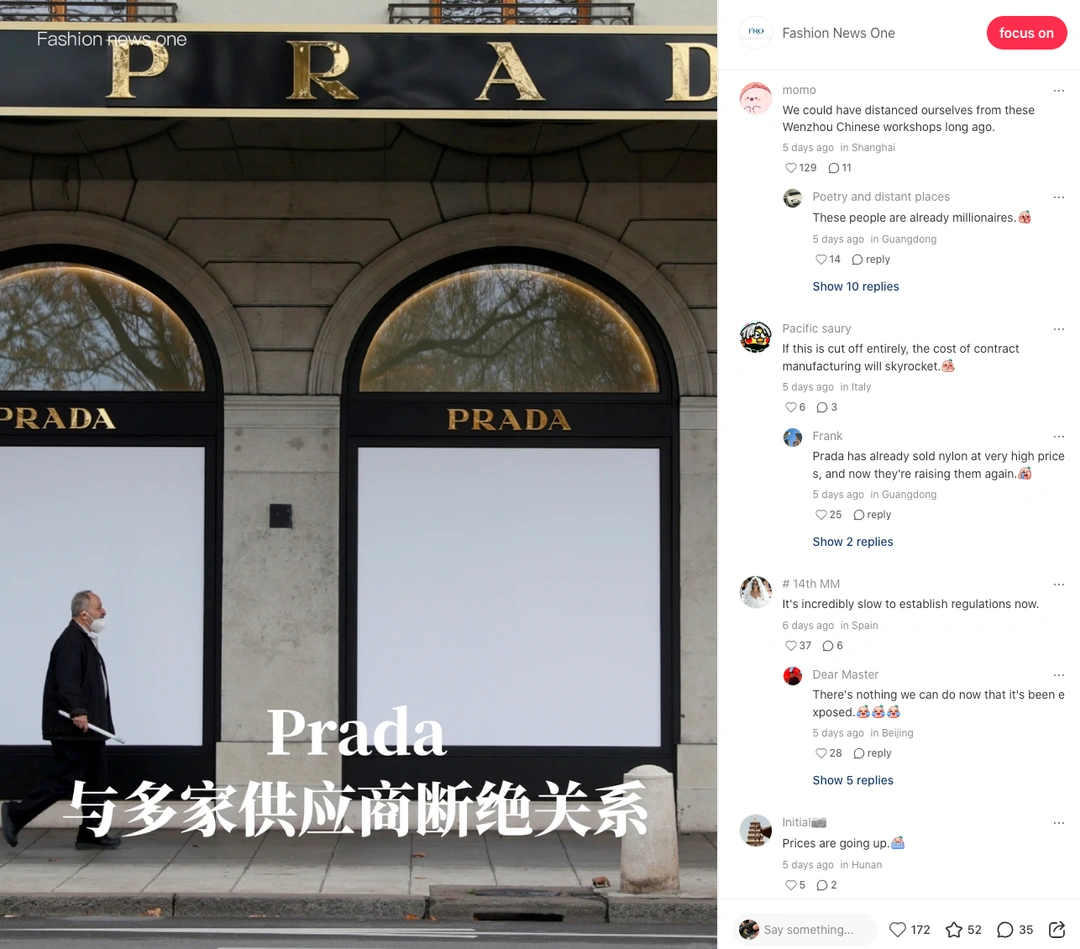
(Photo Credit: Xiaohongshu screenshot)
Prada Group named Pieter Mulier as Versace’s new creative director starting 1 July 2026. He comes from Alaïa and replaces Dario Vitale, who left after one collection. Versace sales dropped from $539 million in early 2023 to $386 million in early 2025. Chairman Lorenzo Bertelli says Mulier fits the brand perfectly after their acquisition plans.
At the same time, Prada cut ties with 222 Italian suppliers since 2020 after 850 audits. They found issues like unsafe workplaces, illegal subcontracting, poor safety rules, and workers living in factories. Prada follows a zero-tolerance policy. Milan prosecutors asked for supply chain records in December amid wider luxury labor probes, but Prada faces no formal charges.
Chinese consumers question Prada’s high prices for items like nylon bags. They want better value, quality, and ethical production, not just brand history. As China’s economy slows, shoppers demand proof of good craftsmanship and fair labor. Prada must show real improvements to keep trust in this key market.
News Source: https://jingdaily.com/posts/cutting-ties-with-over-200-supply-chains-prada-under-rednote-scrutiny
(4) Chinese luxury group Icicle plots IPO as non-western labels shine
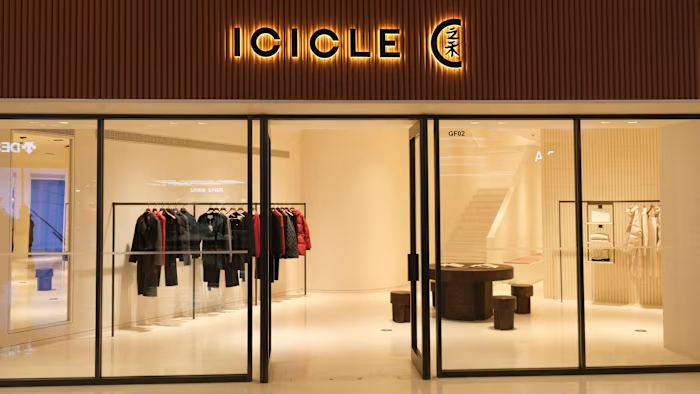
(Photo Credit: Robert W/Alamy)
Owners of Chinese luxury retailer Icicle are weighing a stock market listing for parent company ICCF in Hong Kong or Paris to fuel international expansion and tap rising demand for non-western labels. The cashmere specialist, famed for minimalist designs and natural textiles, could fetch about 1 billion euros in valuation, sources say. No advisers are appointed yet, and a 2026 debut looks unlikely due to Chinese regulatory backlogs.
Founded in 1997, Icicle operates 240 stores across nearly 140 Chinese cities and ventured abroad a decade ago, acquiring bankrupt French brand Carven in 2018 to form ICCF alongside its manufacturing base. The group, controlled by founders Ye Shouzeng and Shawna Tao, also has an outlet in Dublin. Icicle confirmed it routinely evaluates strategic growth options aligned with long-term plans, delivering strong performance.
Homegrown luxury challengers like jewellery brand Laopu Gold, whose heritage designs propelled shares since its 2024 debut, are gaining ground against western giants. China’s elite once drove sector growth, but economic slowdowns curbed high-end spending, shifting reliance to the US market. Groups like LVMH and Richemont see stabilisation signs, though many internationals have retrenched from lower-tier cities. One investor suggested Icicle should bolster its track record before listing. Analysts peg last year’s private revenues at several hundred million euros.
News Source: https://www.ft.com/content/1a02fc74-b5b3-461d-a5d8-f72211a6ec17