Asia Fashion Weekly News Bulletin – ISSUE 57 Week of 23 March 2026
(1) In their words: Qiqi Yam’s unabashed support of Hong Kong’s designers and fashion scene
Qiqi Yam, Asia’s original supermodel who worked with Linda Evangelista and Cindy Crawford, praises Hong Kong as a vital style capital for its East-West fashion fusion.
(2) How ‘painful bag’ became a popular subculture, fashion trend, especially among China youth
Chinese youth are adopting Japan’s “ita bag” trend with enthusiasm, decorating bags with anime badges and plushies to express fandom, sparking a 2.3 billion-view social media craze.
(3) EXCLUSIVE: Inside the Making of BTS’ ‘Arirang’ Comeback Show Costumes With Designer Jay Songzio
BTS reunited for a landmark performance in Gwanghwamun Square to debut their album “Arirang,” wearing Jay Songzio’s “Lyrical Armor” outfits to portray the members as heroes overcoming historical “han” sorrow toward hope.
(4) Key moments from Tokyo Fashion Week 2026
Tokyo’s Rakuten Fashion Week from 16-21 March solidified its rank as the world’s fifth fashion capital with global designers and standout Japanese shows.
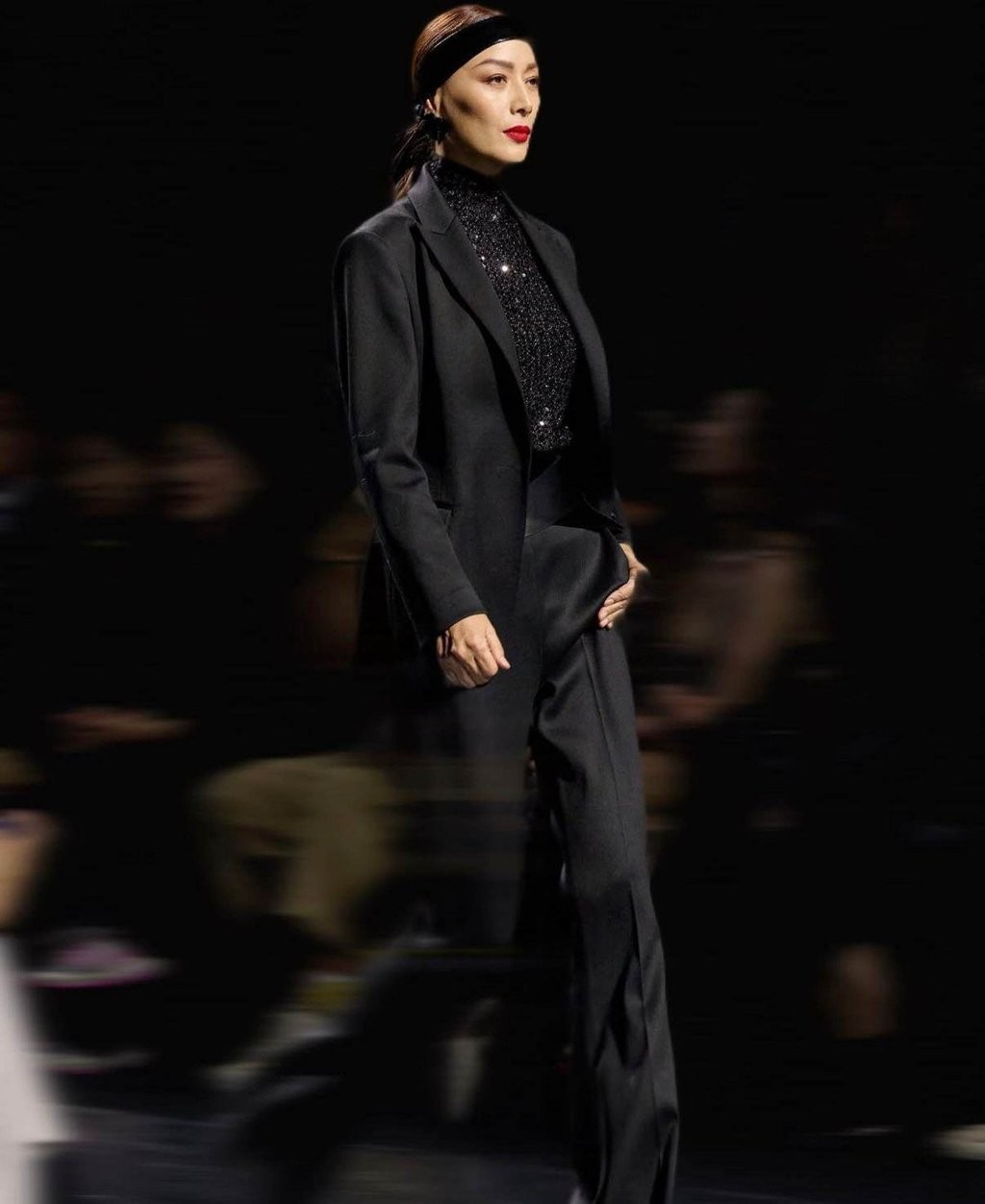
(1) In their words: Qiqi Yam’s unabashed support of Hong Kong’s designers and fashion scene
(Photo Credit: Handout)
Qiqi Yam, known as Asia’s original supermodel, has worked with icons like Linda Evangelista and Cindy Crawford. She starred in major campaigns for SK-II and Omega watches. Yam also launched her own fashion line and a reality TV show.
She sees style as a way to show personal aesthetics and attitude. Everyone has a unique mark through fashion.Hong Kong remains a key style capital due to its openness and international vibe. The city welcomes overseas cultures, ideas, and trends easily. It blends strong cultural influences with traditional Chinese roots. This mix creates a special Eastern-Western aesthetic found nowhere else.
Yam’s most memorable fashion event was Robert Wun’s 2024 show, where she walked the runway. His designs capture true Hong Kong style, and wearing them brings pride as a Hongkonger.
Her top local style icons for women are Maggie Cheung and Cherie Chung. For men, it’s her husband, Simon Yam. All three are super stylish and very “Hong Kong.” Their looks combine different traits and cultures. Joyce Ma has defined the local fashion scene most. She brought international designers to Hong Kong and has a sharp vision for fashion.
News Source: https://www.scmp.com/magazines/style/people/icons-influencers/article/3347366/their-words-qiqi-yams-unabashed-support-hong-kongs-designers-and-fashion-scene?pgtype=live
(2) How ‘painful bag’ became a popular subculture, fashion trend, especially among China youth
(Photo Credit: Handout)
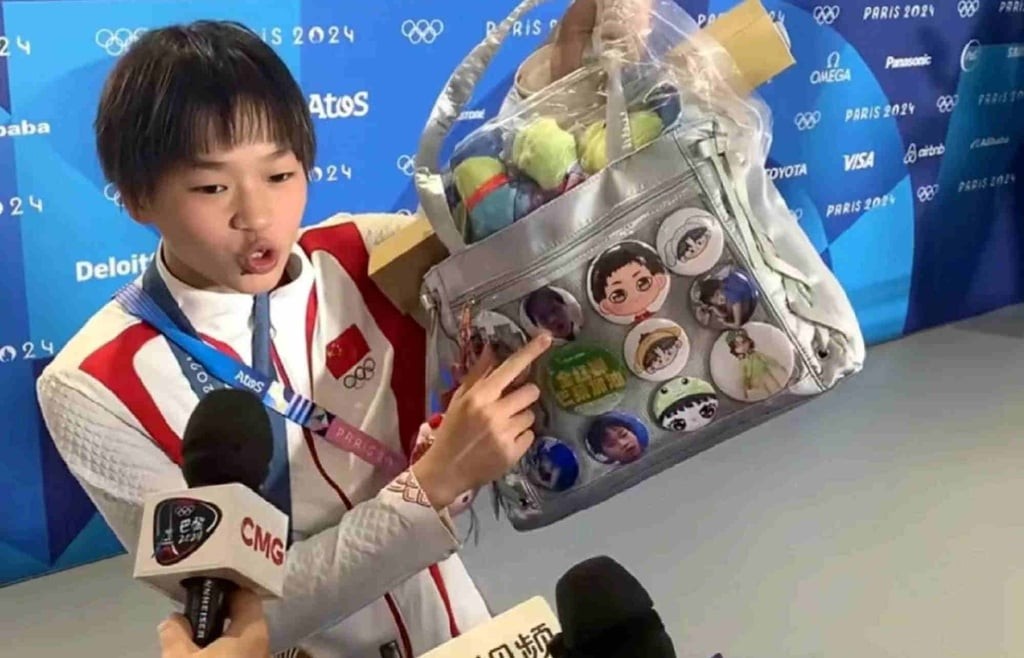
Chinese youth are embracing Japan’s “ita bag” trend, decorating bags with anime character badges, plushies, and cards to show love for their favorite idols. On RedNote, the #tongbao hashtag has 2.3 billion views. Originating in Japan in the 2010s, “ita” means “painful” or “awkward” due to the bags’ overcrowded look and high costs, limited items can hit 100,000 yuan (US$14,000). Bags themselves are cheap, starting at a few dollars, often with clear vinyl windows to display treasures safely.
Fans share decorating tips online, creating lively communities. Popular techniques include layering matching badges, mixing in laces, bows, feathers, and chains for cohesive designs. Some Chinese fans’ styles even catch on in Japan. This boom has birthed a decoration industry charging hundreds of yuan per bag. Pioneer seller Liu Shiqin made a million yuan by age 18, with her store hitting three million in under a year since 2017.
Olympic diver Quan Hongchan spotlighted the trend at Paris 2024, flaunting her badge-filled ita bag on camera. Celebs like Blackpink’s Jisoo and Lisa boosted similar styles, with Lisa sparking a Labubu doll craze from Pop Mart. Ita bags now hold real idols, cash, or snacks, not just anime. Youth psychologist Cai Haichao says they help express identity, ease stress like collecting puzzles. The aesthetic spreads to cars, desks, nails, and even “ita dads” wearing kids’ faves, symbolizing free self-expression.
(3) EXCLUSIVE: Inside the Making of BTS’ ‘Arirang’ Comeback Show Costumes With Designer Jay Songzio
(Photo Credit: WWD)
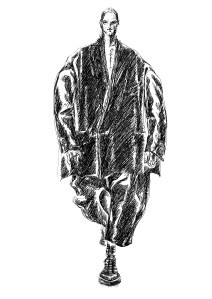
BTS reunited on stage Saturday night at 8 p.m. Korean time in Gwanghwamun Square, marking a huge moment for fans worldwide with their new album “Arirang.” All seven members, RM, Jin, Suga, J-Hope, Jimin, V, and Jungkook, wore custom outfits by Korean designer Jay Songzio. His “Lyrical Armor” collection mixed traditional Korean hanbok, Joseon-era armor, and modern fluid shapes in a monochromatic style. The clothes told a story of the members as heroes overcoming “han”, Korea’s deep sense of sorrow from history, leading to hope.
Songzio said Hybe picked his brand two months ago for its strong Korean aesthetic, matching the album’s traditional “Arirang” folk song theme. He designed for 80 people total, including dancers and musicians. Each member got a role: RM as hero, Jin as artist, Suga as architect, J-Hope as “sound man,” Jimin as poet, V as nobleman, and Jungkook with distressed landscape-painted details. Outfits had layers for dynamic reveals during the outdoor show, with armor studs, onyx jewels, and organic woven fabrics added last-minute based on member input.
Dancers wore flowing organza verticals inspired by Korean folding doors. Instrumentalists mixed hanbok with raw patchwork in red, white, and green drapes. Songzio learned to embrace pure Korean elements boldly, refreshing his brand for future Paris shows. He stayed calm amid fan excitement outside his flagship store
News Source: https://wwd.com/fashion-news/fashion-features/bts-arirang-comeback-costumes-jay-songzio-lyrical-armor-1238685143/
(4) Key moments from Tokyo Fashion Week 2026
(Photo Credit: Legend)
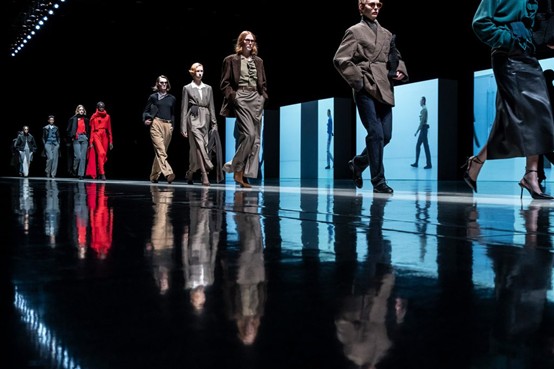
Tokyo’s Rakuten Fashion Week from 16-21 March reinforced its spot as the world’s fifth fashion capital. The event drew designers from Berlin, Taiwan, France, and beyond, showcasing emerging talents and veterans with fresh ideas and bold presentations.
Kakan Kudo, winner of the 2026 Tokyo Fashion Award, debuted “Wild, Not Pure.” Her knitwear mixed distressed patterns with smooth textures, creating a soft yet striking take on the human body.
Pays Des Fees marked its 20th anniversary in the historic Ginza Lion Classic Hall. The show reimagined fairies as a call for peace, using tweed, velvet, and organza. Looks felt mystical like dark-age spirits but stayed hyper-realistic and ultra-feminine.
Anthem A, another award winner, started “Chapter 1” of a self-discovery story. Embellishments and uneven cuts blurred lines between menswear and womenswear, challenging ideas of material and fit.
Kiminori Morishita skipped a traditional runway. Instead, he showed “80 Pieces of History” in a pitch-black space. A rack held garments from 2003 to 2026 as his voice explained each one’s tailoring, dyeing, and finish, turning clothes into art and memory.
Viviano held “Portrait of Her, Unnamed” in Yodobashi church under red lights. Chiffon and floral patterns evoked falling petals or wounds, symbolizing grit amid doubt.
These highlights mixed heritage, emotion, and new forms, proving Tokyo’s lasting pull in global fashion.
News Source: https://hashtaglegend.com/key-moments-from-tokyo-fashion-week-2026/