Asia Fashion Weekly News Bulletin – ISSUE 60 Week of 13 April 2026
(1) Hainan entering a golden era for the fashion industry
Hainan is entering a golden era for fashion, with model Hu Bing committing his global networks to transform the Free Trade Port into a world-class fashion week hub by linking young Chinese designers to London and drawing international talent to events like the 2026 Hainan Funteen Fashion Week.
(2) French fashion brand Maison Margiela bets on China with global debut in Shanghai
Maison Margiela chose Shanghai for its global debut, signaling China’s rise as a key fashion launchpad over traditional capitals like Paris or Milan, with a collection blending French elegance and local appeal for young urban consumers.
(3) Ray-Ban ropes Blackpink’s Jennie as its latest Global Brand Ambassador
Jennie has become Ray-Ban’s new Global Brand Ambassador, with the partnership highlighting her signature style, quiet confidence and growing influence in global fashion.
(4) Is Xiaohongshu fueling Gen Z’s fast fashion obsession?
Xiaohongshu is helping drive fast-fashion habits among China’s Gen Z by turning trend content into quick buying behavior, while also highlighting the need for stronger sustainability education and more responsible shopping.
(1) Hainan entering a golden era for the fashion industry
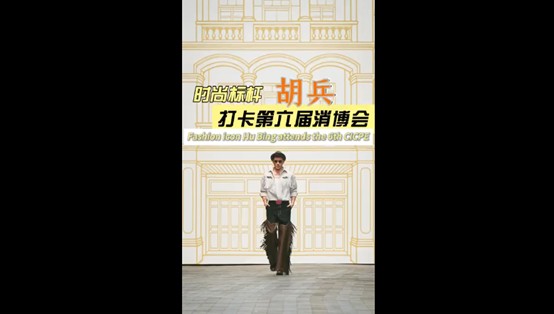
(Photo Credit: China Daily)
Hu Bing, a top Chinese model and fashion ambassador, says Hainan province is entering a golden era for fashion. He wants to use his connections to make the island a global fashion week hub. The Hainan Free Trade Port has grown duty-free shopping, trade, and big brands, lifting the area’s fashion status.
At the 2026 Hainan Funteen Fashion Week, which started Sunday in Haikou’s historic Qilou Old Street, Hu praised the venue’s mix of old architecture and modern vibe. He noted that top fashion weeks like Paris and New York use historic sites for their unique light, texture, and flow. The opening show captured Hainan’s open spirit and sea breezes.
Hu compared Chinese fashion going global to Peking Opera meeting Western opera. Local designers must keep cultural roots but learn an international style that worldwide audiences get. As ambassador for the British Fashion Council, London Fashion Week (10 years), China International Fashion Week, and this week’s China International Consumer Products Expo, he plans to link young Chinese talents to London while bringing global stars to Hainan.
Hainan offers a big platform for this, he said. Its free trade policies let young designers reach the world and draw foreign talent. Fashion goes beyond clothes, it’s about the era’s spirit. Hainan has edges like sustainability focus, which matches global trends.
Hu calls Hainan’s fashion scene “nurturing” and “regenerating.” After 40 years in the industry, he aims to build a top-tier Hainan International Fashion Week. It could rival Paris, New York, London, and Milan one day. He loved the aesthetics at expo venues Saturday night and sees Hainan partnering with China International Fashion Week to host young designers from everywhere.
News Source: https://www.chinadaily.com.cn/a/202604/13/WS69dce40ba310d6866eb43268.html
(2) French fashion brand Maison Margiela bets on China with global debut in Shanghai
(Photo Credit: Anewz.tv)
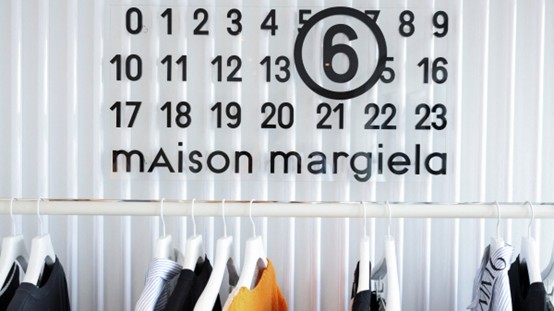
French fashion house Maison Margiela has made a bold statement by selecting Shanghai as the location for the global debut of its first full collection.
Instead of launching in traditional fashion capitals such as Paris or Milan, the label held a high-profile event in Shanghai, bringing together buyers, influencers and industry insiders. The move reflects a strategic shift in how global brands view the Chinese market: not only as a place to sell, but as a platform to shape brand identity and connect with consumers from the outset.
The debut collection blends classic French tailoring with contemporary elements, featuring lighter fabrics, softer silhouettes and subtle cultural touches designed to appeal to Chinese shoppers. Observers noted that the designs successfully balance European elegance with everyday wearability, a combination that resonates well with China’s younger, style-conscious urban population.
Shanghai’s status as China’s fashion and retail capital, with its vibrant mix of international and local influences, made it an ideal launchpad. The brand is expected to expand its presence in China through flagship stores, potential local collaborations and a stronger digital presence on e-commerce and social media platforms.
By debuting in Shanghai, Maison Margiela is not only entering a key market but also positioning itself at the centre of a changing global fashion order.
(3) Ray-Ban ropes Blackpink’s Jennie as its latest Global Brand Ambassador
(Photo Credit: Prestige)
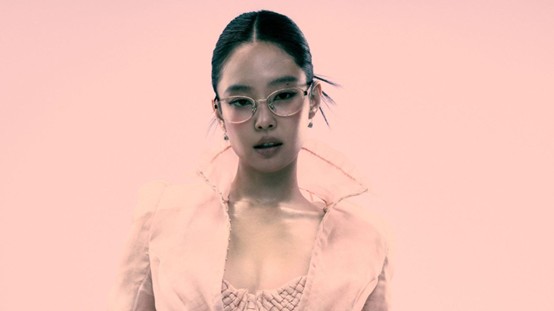
Jennie of BLACKPINK has been named Ray-Ban’s newest Global Brand Ambassador, marking another major fashion move for the K-pop star. The partnership is presented as a match built on confidence, individuality and simple but strong self-expression. In the campaign announcement, Jennie says the collaboration felt natural from the start and reflects her personal style, which she describes as quiet confidence rather than something loud.
The global campaign introduces Jennie in her first project with Ray-Ban, where she models different eyewear looks while wearing two bold outfits. The campaign focuses on her versatility and strong fashion presence, showing how she can move easily between classic and modern styles. Her featured picks include the Daddy-O sunglasses, which carry a retro feel with rounded rectangular lenses, and the Alix, a shield-style frame that gives off a more futuristic Y2K mood.
The campaign also includes frames from Ray-Ban’s Asian Design Collection, which are designed to better fit people with a lower nose bridge. This adds a practical and local touch to the collection while still keeping the fashion focus strong. Jennie’s own taste leans toward cat-eye shapes and vintage-inspired frames, which fits well with Ray-Ban’s mix of timeless and trend-driven designs.
This new role adds to Jennie’s already strong presence in the luxury and fashion world. She has worked with major brands including Chanel, Tamburins and Calvin Klein, and this Ray-Ban partnership further strengthens her influence as both a global pop star and fashion figure.
News Source: https://www.prestigeonline.com/sg/style/fashion/ray-ban-blackpink-jennie-global-brand-ambassador/
(4) Is Xiaohongshu fueling Gen Z’s fast fashion obsession?
(Photo Credit: Screenshots / Jingdaily)
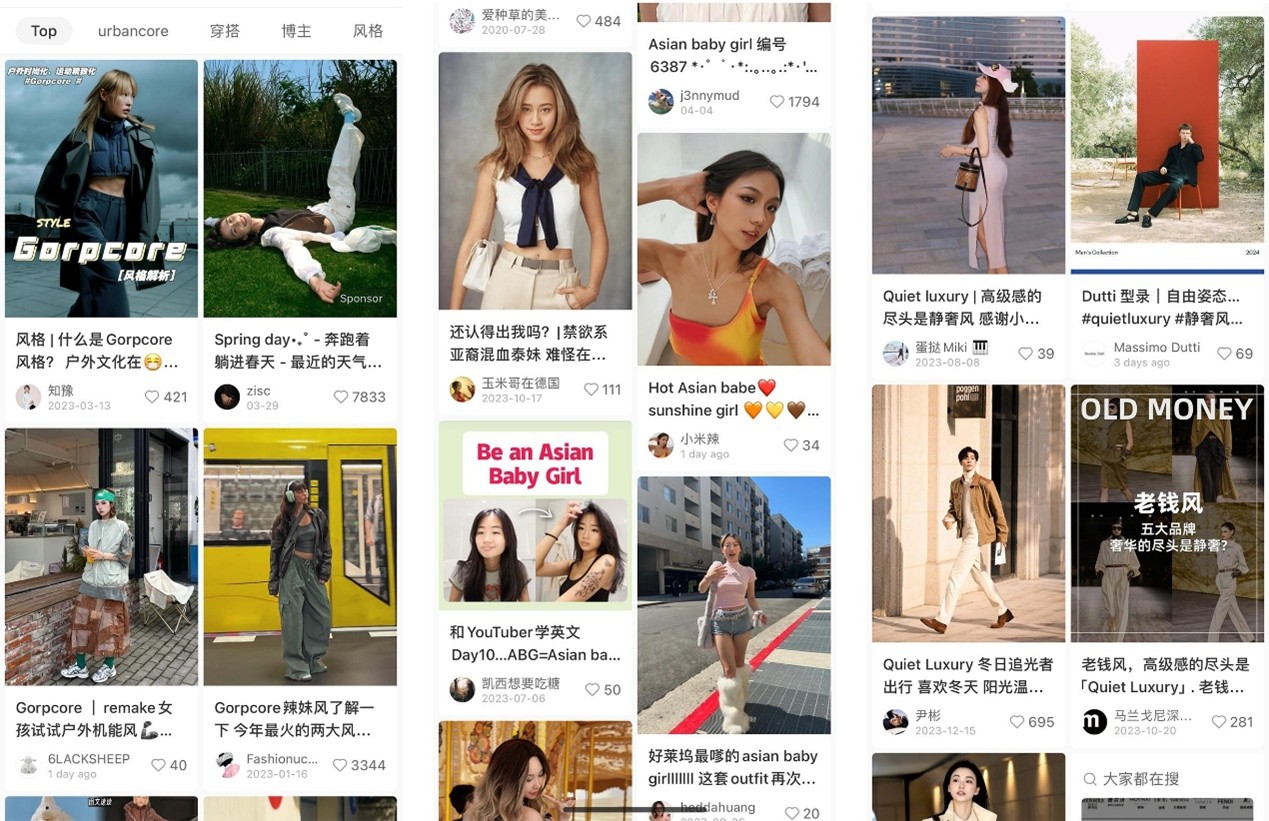
Xiaohongshu is becoming a major force behind fast-fashion buying among China’s Gen Z consumers, especially as the platform pushes a constant stream of trend-driven outfit content. The app has grown into a key place for discovering styles and shaping taste, but that same speed is also encouraging people to buy more clothes more often.
A big part of the issue is how closely Xiaohongshu connects fashion content with shopping. Influencers regularly post outfit inspiration, shopping hauls and product recommendations, while the platform also works with brands and links users toward e-commerce sites such as Taobao. This creates a fast cycle: users see a trend, buy low-cost pieces quickly, then post their own version online. Because Taobao is cheap, convenient and popular with younger shoppers, it fits perfectly into this pattern.
The article argues that this is not just a social media trend but part of China’s wider role in global fast fashion. Chinese-founded companies such as Shein and Temu have expanded rapidly, while mainland consumers remain central to the demand for cheap, fast-moving clothing. Environmental concerns are growing, but awareness still varies depending on age, education, income and location.
There are also ethical concerns beyond waste and overproduction. The article points to the continued sale of real fur in lower-cost fashion markets in China, even as many global luxury brands move away from it. At the same time, some efforts are being made to push the conversation in a better direction, including sustainability education projects and public discussions during Shenzhen Fashion Week. Overall, the piece says Xiaohongshu is helping drive fast-fashion habits, but it could also become part of the solution if used to promote more responsible shopping.
News Source: https://jingdaily.com/posts/gen-z-xiaohongshu-fast-fashion