Asia Fashion Weekly News Bulletin – ISSUE 61 Week of 20 April 2026
(1) Kering acquires minority stake in owner of China’s Icicle
Kering has taken a minority stake in Shanghai founded luxury label Icicle, backing the Chinese brand’s global expansion through a new initiative focused on culturally distinctive fashion houses.
(2) Hybrid is the key for global retailers in China
Global brands are increasingly turning to Chinese partners to survive fierce competition and price wars, with localized hybrid models offering a more practical path in China’s difficult retail market.
(3) Invest in China as the country comes back into fashion
China offers cheaper valuations and stronger industrial momentum, but weak domestic demand, property stress and an uneven market record still make it a cautious bet.
(4) Korean fashion, beauty brands grow in Japan
Korean beauty and fashion brands are winning Japanese shoppers through pop up stores that blend social media buzz, hands on experiences and strong demand for in person retail.
(1) Kering acquires minority stake in owner of China’s Icicle
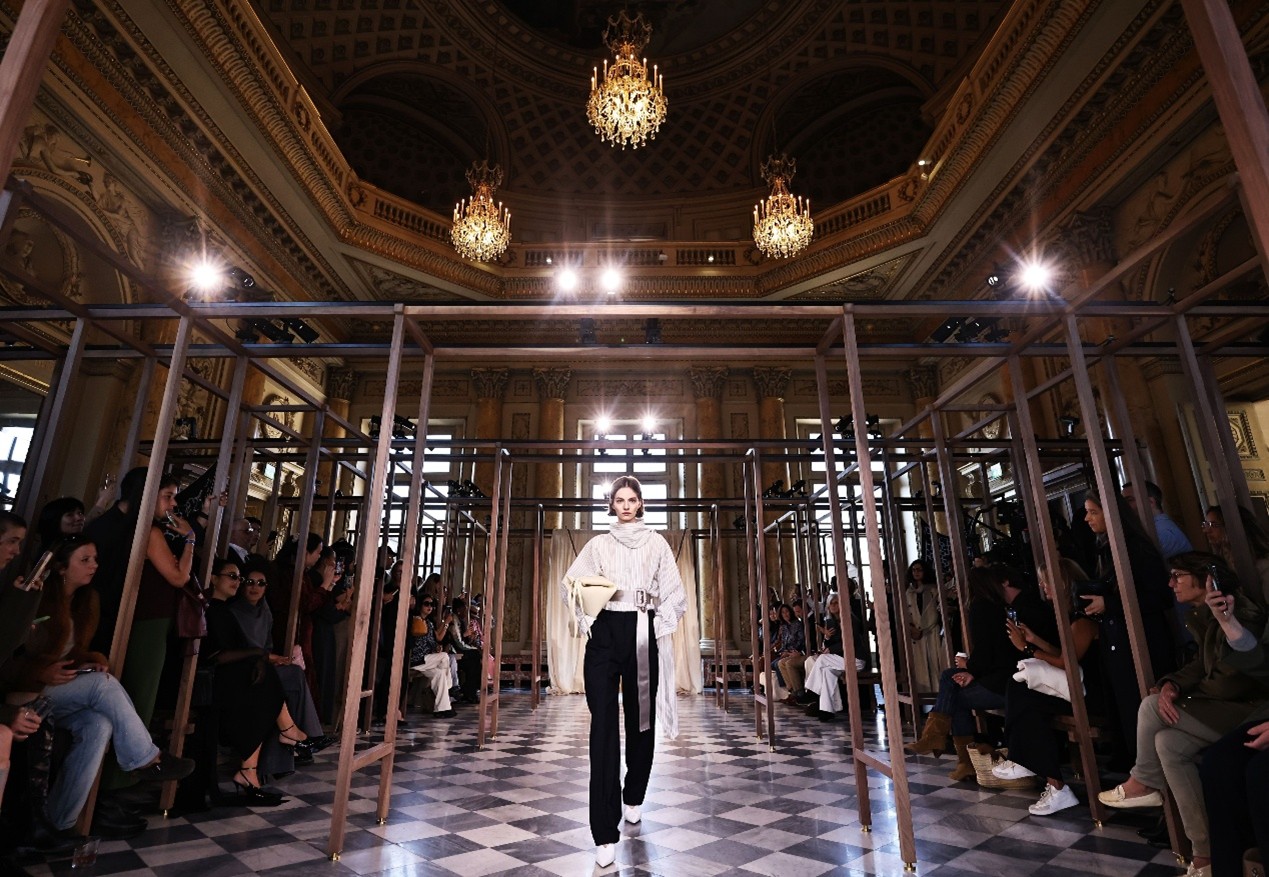
(Photo Credit: Getty Images)
French luxury group Kering has entered a strategic partnership with Icicle Carven China France, the company behind Shanghai founded fashion label Icicle, and will take a minority stake to support the brand’s next phase of growth. The move is designed to help Icicle expand internationally while also broadening its product range into new categories.
Founded in Shanghai in 1997, Icicle has built its identity around East Asian aesthetics, natural materials and careful craftsmanship. The brand focuses on ready to wear fashion and accessories for men and women, and has grown to more than 200 stores, including flagship locations in Beijing, Shanghai and Paris. Its business structure already reflects an international outlook, with operations shared between Paris and Shanghai.
Kering said the partnership combines Icicle’s deep understanding of the Chinese luxury market with the French group’s strengths in European craftsmanship, operations and brand development. The investment is also part of “House of Wonders”, a newly launched Kering initiative aimed at supporting emerging luxury brands with distinctive cultural identities and long term global potential.
For Icicle, the deal marks a significant endorsement from one of the world’s biggest luxury groups and could help raise the brand’s international profile at a time when Chinese labels are seeking stronger positions in the global premium market. For Kering, the partnership offers a way to deepen its connection with Chinese consumers and back a homegrown brand that already has an established identity rooted in local culture.
News Source: https://jingdaily.com/posts/kering-acquires-minority-stake-in-owner-of-china-s-icicle
(2) Hybrid is the key for global retailers in China
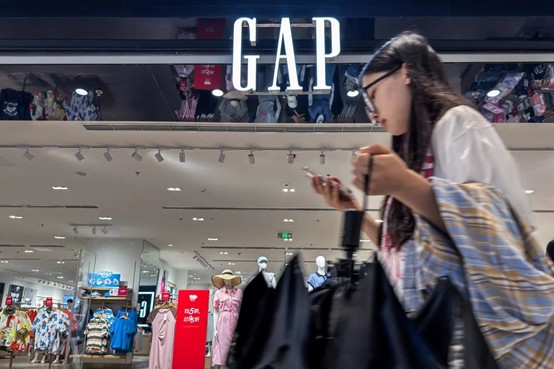
(Photo Credit: Bloomberg)
Global brands trying to stay competitive in China are increasingly being encouraged to work with local partners rather than going it alone. In a retail market worth trillions of dollars and shaped by rapid change, intense price competition and shifting consumer habits, hybrid models such as joint ventures, licensing deals or asset sales are emerging as practical ways for foreign companies to remain relevant.
Gap’s recent turnaround in China is presented as a strong example. After selling its struggling Greater China business to Baozun in 2022, the American retailer kept its brand presence in the market while handing operations to a domestic partner better placed to respond to local demand. Since then, Baozun has localised much of the design and production process, shortened restocking cycles and improved sales performance, showing how local management can help revive an international brand.
This approach reflects a broader change in China’s consumer market. An earlier period marked by strong nationalism and enthusiasm for domestic brands has given way to a more pragmatic environment, where shoppers are increasingly focused on value amid economic pressure and weak consumer sentiment. In such conditions, local companies often have an advantage because they are faster at reading trends, adjusting prices and tailoring products.
Other multinationals, including Starbucks, Burger King and Texas Chicken, are also using local operating partners, following a path set earlier by McDonald’s and Yum China. While some foreign brands such as Adidas, Crocs and Ralph Lauren continue to perform well on their own terms, partnering with Chinese firms is increasingly seen as a sensible strategy for companies seeking to preserve their place in a highly competitive and fast evolving market.
News Source: https://ww.fashionnetwork.com/news/Hybrid-is-the-key-for-global-retailers-in-china,1825627.html
(3) Invest in China as the country comes back into fashion

(Photo Credit: Getty Images)
For years, investors argued over whether China was a great opportunity or simply too risky to touch. That debate is shifting again. China has regained a measure of cultural and market appeal, especially among younger Western audiences who are more likely to view the country through social media, consumer trends and its striking modern cities than through the politics that shaped older generations’ views.
Yet China’s investment record remains far less convincing than its economic rise. The country has delivered extraordinary growth over the past two decades, but that has not consistently translated into strong long term stock market returns. Chinese equities have often behaved more like a cycle of sharp rallies and painful reversals than a steadily compounding market. The collapse in property prices after years of speculative excess also damaged household wealth, weakened consumer confidence and cast a long shadow over the domestic economy.
Even so, China is not standing still. Beijing has redirected support away from real estate and toward strategic industries such as electric vehicles, batteries, artificial intelligence and green technology. That push is helping Chinese firms expand abroad and strengthen their position in sectors likely to shape the next phase of global manufacturing. Some market analysts also argue that Chinese equities still look relatively inexpensive compared with richly valued Western stocks, with major indexes trading at moderate earnings multiples.
The case for investing in China therefore remains mixed. The long term record still gives reason for caution, but near term momentum, cheaper valuations and industrial strength make the market harder to dismiss than it was a few years ago. A selective approach, rather than a sweeping bet, appears the more sensible course.
News Source: https://moneyweek.com/investments/china-stock-markets/invest-in-china-as-it-comes-back-into-fashion
(4) Korean fashion, beauty brands grow in Japan
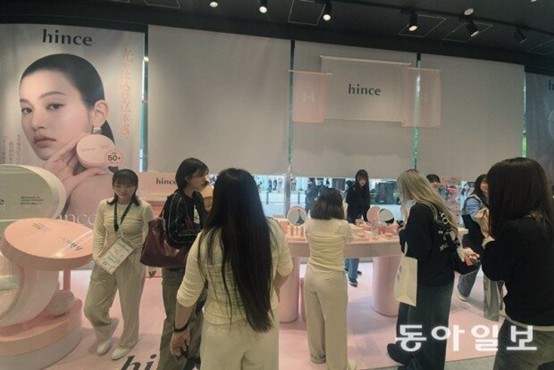
(Photo Credit: The Dong-A ILBO)
South Korean beauty and fashion brands are stepping up their expansion in Japan through pop up stores that turn shopping into an experience. In Tokyo, these temporary venues are drawing strong crowds from a wide age range, showing how Korean brands are converting online buzz into real world demand.
At a Musinsa pop up in Shibuya, visitors lined up even on weekday mornings for a chance to try brands they had previously seen only on social media. The store attracted everyone from younger shoppers to older consumers whose interest in Korean culture grew through dramas and K pop. Since opening in early April, the venue has drawn tens of thousands of visitors, highlighting the strength of consumer curiosity and the pull of limited time events.
The same pattern is visible across Tokyo’s beauty scene. At major retail locations, shoppers are testing Korean cosmetics in person, comparing shades and textures, and often buying products immediately. Several Korean brands have already ranked near the top in their categories, suggesting that trial based marketing is helping them gain traction in a competitive market. Influencer driven events have added to the momentum, with creators producing review content that spreads quickly online and extends the reach of each launch.
This strategy fits Japan’s retail habits. Offline shopping remains central, and many consumers still prefer to see and try products before purchasing. At the same time, spending is shifting toward experiences rather than simple ownership. That makes pop up stores especially effective for beauty and fashion brands, which depend heavily on touch, fit and personal interaction. For Korean companies, the formula is increasingly clear: combine cultural appeal with immersive retail, and interest can turn into sales.
News Source: https://www.donga.com/en/article/all/20260422/6194938/1