Asia Fashion Weekly News Bulletin – ISSUE 71 Week of 29 June 2026
(1) McKinsey: US and China to Drive Luxury Growth Through 2030
McKinsey’s ‘State of Fashion 2026’ forecasts US and China leading global luxury growth to 2030. Consumers are shifting toward value-aligned “Challenger brands” and, in China, Guochao (national wave) domestic labels like Laopu Gold. AI is reshaping product discovery with personalized recommendations across both markets.
(2) Hong Kong Tycoon Dickson Poon Considers Selling Harvey Nichols After 35 Years
Hong Kong tycoon Dickson Poon may sell Harvey Nichols, ending 35 years of ownership. The British luxury department store, famed for its fashion‑forward identity and Knightsbridge flagship, has struggled financially despite recent restructuring. Analysts expect international investors to bid, valuing its brand heritage and prime London property.
(3) French parliament passes fast fashion bill targeting Shein and Temu
France has passed an anti-fast-fashion law targeting Shein, Temu, and AliExpress with per-item fees (up to €20 by 2030), advertising bans (including influencers), and sustainability messaging. The move aims to reduce textile pollution but faces criticism for being watered down and potentially clashing with EU rules.
(4) From Instagram drops to global reach: inside Ghostboy, the Malaysian Gen Z fashion brand
Malaysian label Ghostboy has grown from Instagram drops and comment-section sales into an independent fashion brand celebrated for gender-fluid, experimental designs. Now shipping across Malaysia, Singapore, Australia, and the US, it continues to blend playful youth culture with refined silhouettes while staying fully self-funded.
(1) McKinsey: US and China to Drive Luxury Growth Through 2030
(Photo Credit: Shutterstock)
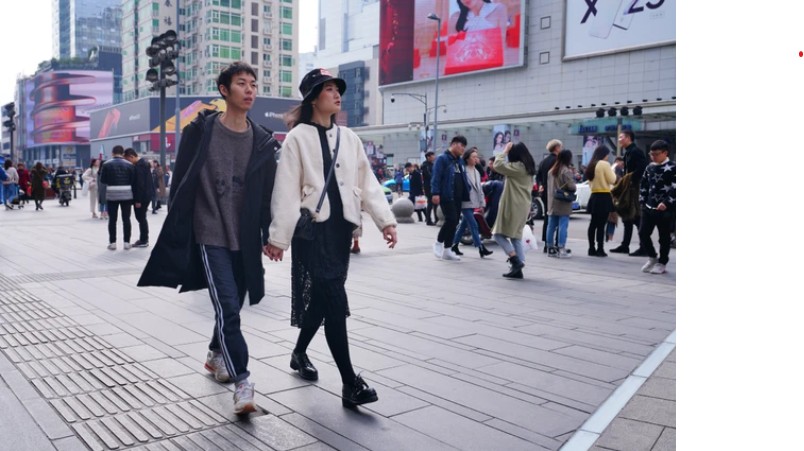
The global luxury market’s future growth will be driven mainly by the US and China through 2030, according to McKinsey’s ‘State of Fashion 2026’ report. The US, the world’s largest luxury market valued at $130 billion, is projected to grow at 5% CAGR, while China, the second-largest at $60 billion, is expected to expand faster at 6% annually. Europe will lag with 2–4% growth.
Consumer preferences are shifting significantly. Legacy and brand heritage are losing influence in both key markets. Instead, buyers seek brands that offer strong personal resonance, aligning with their individual values and tastes. Status is becoming more subtle: high-spending consumers prefer “Challenger brands” — smaller, less saturated names — for recognition within selective inner circles rather than mass visibility.
In the US, 68% of luxury consumers feel challenger brands best reflect their identity, often discovered via social media and resale platforms. In China, the rise of Guochao (national wave) is boosting domestic brands that celebrate contemporary Chinese culture and craftsmanship, such as luxury jewellery label Laopu Gold, which has gained strong popularity among younger and elite buyers.
Artificial intelligence is also transforming discovery, providing hyper-personalized recommendations and helping aspirational consumers navigate the luxury world.
News Source: https://news.ladymax.cn/202606/22-39632.html
(2) Hong Kong Tycoon Dickson Poon Considers Selling Harvey Nichols After 35 Years

(Photo Credit: Ladymax CN)
Hong Kong entrepreneur Dickson Poon, known as the “King of Brands” for introducing Chanel and Hermès to Asia, is reportedly considering selling Harvey Nichols, the British luxury department store he acquired in 1991 for £53 million. After 35 years of ownership, the move would mark the end of an era in global luxury retail.
Harvey Nichols, located in London’s Knightsbridge, rose to prominence in the 1990s under Poon’s leadership, distinguished by youthful buying strategies and fashion‑curated concepts. It became a cultural symbol, featured in the sitcom Absolutely Fabulous, and expanded to multiple UK cities, Ireland, Hong Kong, and the Middle East. Despite its smaller scale compared to Harrods or Selfridges, Harvey Nichols held significant influence in high‑end retail.
In recent years, however, luxury department stores have faced mounting pressures. CEO Julia Goddard initiated a turnaround in 2024, closing non‑core businesses, renovating the flagship, and enhancing digital operations, but profitability remains elusive. Poon retired from Dickson Concepts in 2025, with his son gradually assuming leadership.
Financial advisors are now exploring strategic options, including new investors or a full sale. Analysts believe international capital—sovereign wealth funds, Asian retail groups, or long‑term investors—are the most likely buyers, drawn to Harvey Nichols’ nearly two centuries of brand equity, prime London property, and enduring ties with global luxury houses.
News Source: https://news.ladymax.cn/202606/29-39644.html
(3) French parliament passes fast fashion bill targeting Shein and Temu

(Photo Credit: Shutterstock)
French lawmakers have passed a revised anti-fast-fashion bill targeting ultra-fast fashion platforms such as Shein, Temu, and AliExpress. The Senate approved the measure on Monday after the National Assembly passed it last week, following years of debate to align it with EU regulations.
The textile industry accounts for nearly 10% of global greenhouse gas emissions, and the bill aims to curb the environmental impact of easily disposable fast fashion. Key measures include a progressive per-item fee on mass-produced textiles (potentially reaching €20 per item by 2030), a ban on advertising for ultra-fast fashion brands — including by social media influencers — and mandatory website messages promoting reuse and repair.
The legislation defines ultra-fast fashion by high volume and low repair-to-price ratios. Revenue from the fees will support collection and recycling infrastructure. It specifically targets Asian e-commerce giants that have surged in popularity in France.
Critics, including Green Party lawmakers and the Stop Fast Fashion coalition, argue the bill was significantly watered down and unfairly spares European fast-fashion giants like Zara and H&M. Questions also remain over the enforceability of the advertising ban under EU law.
News Source: https://www.france24.com/en/france/20260629-french-parliament-passes-fast-fashion-bill-targeting-shein-and-temu
(4) From Instagram drops to global reach: inside Ghostboy, the Malaysian Gen Z fashion brand

(Photo Credit: Amru Shakir)
Ghostboy, a Malaysian independent fashion label, has evolved from spontaneous Instagram drops into a respected name in youth and gender-fluid fashion. Co-founders Cyii Cheng (28) and Han David (29) started the brand during the pandemic by posting upcycled denim, distorted tailoring, and experimental silhouettes directly on Instagram. Pieces would sell out quickly through comment-section “bidding wars,” reflecting the fast-paced, digital-native energy of the Y2K revival era.
Today, Ghostboy is known for its playful interpretation of youth culture, blending gender-fluid dressing, experimental silhouettes, and a distinctly digital sensibility. Recent collections like Symphony No. 7 (exploring movement and fluidity) and Apartment (reworking everyday staples) show a maturing brand that balances refinement with its original experimental spirit.
Operating without outside investors, the label has grown organically, expanding to a website and physical store in Petaling Jaya while shipping to customers in Malaysia, Singapore, Australia, and the United States. Roughly 20% of each collection remains experimental, while 80% focuses on wearability.
The founders credit their success to authentic community momentum, organic creator content, and a disciplined approach to reinvestment, cash flow, and creative-financial balance.
News Source: https://newseu.cgtn.com/news/2026-06-22/Ancient-Chinese-fashion-finds-a-new-stage-in-London-1Oags69GJxe/index.html