Asia Fashion Weekly News Bulletin – ISSUE 73 Week of 13 July 2026
(1) Top fashion brands have a supply chain battle against extreme heat
Searing heat across Asia is heavily impacting garment factory productivity, triggering a supply chain crisis for global fashion brands. While proactive suppliers are building climate-adapted factories to protect workers and maintain output, they are calling on major labels to help finance the costly infrastructure needed to combat escalating global temperatures.
(2) Shein gets approval from Chinese regulator for Hong Kong IPO
Shein has cleared a vital hurdle for its planned public debut after receiving IPO approval from China’s securities regulator. Following blocked listing attempts in the US and London, the CSRC’s clearance to issue up to 341.6 million shares in Hong Kong allows the fast-fashion retailer to initiate its investor roadshow.
(3) Runway Revolution: How K-Pop’s Ultimate Trendsetters are Propelling Vietnamese Fashion into the Global Spotlight
Vietnamese fashion brands like Fancì Club and La Lune have become the ultimate secret weapon for K-pop stylists. As reported by Popbee, the region’s sharp, Y2K-infused designs and rapid custom production capabilities have allowed local talent to transition from global manufacturers to major tastemakers dictating global pop music aesthetics.
(4) The Soft Revolution: How China’s “Softcore” Lifestyle Manifesto is Rewriting Global Luxury Desirability
China’s massive “softcore” trend—racking up 1.8 billion views on Xiaohongshu (RedNote)—is shifting consumer demand from overt logos to tactile comfort and emotional wellbeing. Defined by soft pastels, playful jelly textures, and Pantone’s 2026 off-white hue “Cloud Dancer,” this movement is forcing global luxury brands to rethink their regional design and retail strategies.
(1) Top fashion brands have a supply chain battle against extreme heat
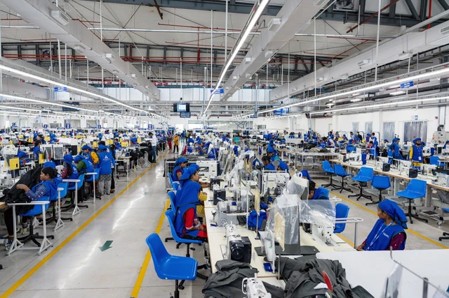
(Photo Credit: Jing Daily)
The global fashion industry, valued at $1.7 trillion, is facing a severe operational threat as extreme summer temperatures sweep across key Asian garment-manufacturing hubs. According to a report featured in Jing Daily, blistering heat waves in major manufacturing nations like India have driven up worker absenteeism and cut factory productivity by as much as 10%. Traditionally, industrial factory architecture in these regions was built to protect heat-generating machinery rather than human workers, leaving millions of garment employees—predominantly women—vulnerable inside stifling, poorly ventilated buildings.
To combat this climate challenge, pioneering suppliers like the Epic Group are investing in state-of-the-art, climate-adapted facilities. Their newly opened Trimetro campus in Odisha, India, utilizes heavy-duty ventilation systems, industrial ceiling fans, and cooled air currents to maintain indoor temperatures around 28°C (82°F), directly boosting worker focus and efficiency. However, implementing these vital climate-resilience measures requires significant capital. As manufacturers bear the brunt of rising energy and infrastructure costs, suppliers are increasingly calling on major international partners—such as Uniqlo, Levi’s, and Ralph Lauren—to help co-fund these vital factory upgrades, underscoring that human-centric ESG commitments must be shared across the entire global retail pipeline.
News Source: Jing Daily
(2) Shein gets approval from Chinese regulator for Hong Kong IPO
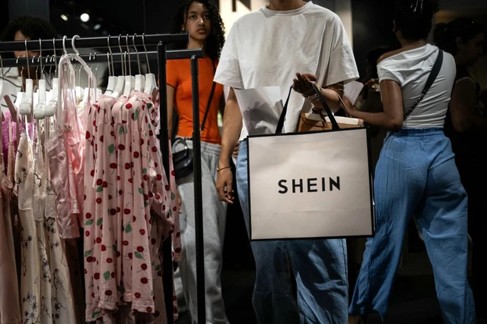
(Photo Credit: Getty Images)
Fast-fashion powerhouse Shein has taken a monumental step toward its highly anticipated public market debut. According to a report by Jing Daily, the China Securities Regulatory Commission (CSRC) has formally accepted and registered the company’s overseas listing filing. The green light from Beijing’s securities watchdog permits the Singapore-headquartered e-commerce giant to issue up to 341.6 million ordinary H shares on the Hong Kong Stock Exchange, paving the way for a long-delayed, multi-billion dollar IPO that could launch as early as late summer.
The approval caps a grueling, years-long regulatory journey across multiple continents. Shein’s initial plans for a blockbuster US flotation in late 2023 were derailed by intense political scrutiny over its labor and supply-chain practices, while its subsequent pivot to a London listing stalled after Chinese regulators withheld approval. Despite relocating its headquarters to Singapore in 2021, Shein remains under CSRC jurisdiction due to its extensive manufacturing roots in Guangdong. Facing fierce global competition from PDD Holdings’ Temu, a shifting geopolitical landscape, and potential new tariff policies in the US and Europe, Shein’s embrace of a Hong Kong listing marks a strategic realignment back toward its Chinese identity as it prepares to court institutional investors.
News Source: Jing Daily
(3) Runway Revolution: How K-Pop’s Ultimate Trendsetters are Propelling Vietnamese Fashion into the Global Spotlight
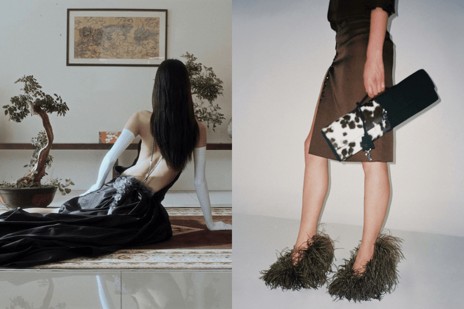
(Photo Credit: Popbee)
Vietnam is successfully shedding its outdated label as merely a low-cost garment manufacturing site to emerge as a dominant creative force in global pop culture. According to a feature by Popbee, a rising wave of cutting-edge Vietnamese designer brands—including Fancì Club, La Lune, and LSOUL—has quietly rewritten the K-pop dress code. Chart-topping groups like BLACKPINK, aespa, BABYMONSTER, and global rookie sensation KATSEYE are increasingly turning to these independent labels for their high-profile music videos, promotional teasers, and live performances.
Unlike traditional luxury fashion houses, these youth-driven Vietnamese brands deliver a distinct visual style that perfectly aligns with modern K-pop aesthetics: bold Y2K-inspired cuts, dramatic silhouettes, hyper-feminine ruffles, and avant-garde designs that command immediate attention on camera. Operationally, these smaller, agile Saigon-based design studios have a major competitive edge over European luxury conglomerates. They can customize complex stage wear rapidly and work closely with fast-paced K-pop styling teams on extremely tight production schedules. This dynamic synergy not only provides idols with a coveted, highly individualized edge but also propels emerging Southeast Asian designers onto the global stage overnight.
News Source: Popbee
(4) The Soft Revolution: How China’s “Softcore” Lifestyle Manifesto is Rewriting Global Luxury Desirability

(Photo Credit: Miu Miu)
Young Chinese consumers are actively turning away from high-gloss logo-mania in favor of a steady, deeply rooted subculture known as “#softcore.” Accumulating over 1.8 billion views on Xiaohongshu (RedNote), this lasting lifestyle manifesto blends nostalgia, wellness, and digital comfort to buffer against modern economic and career uncertainties. Characterized by comforting neutrals, dreamy Y2K-inspired spaces, and relaxed, draped fabrics that favor comfort over flash, the trend acts as an emotional regulator for Gen Z. This aesthetic shift is directly shaping major global design houses like Prada, Miu Miu, and Dior, which are anchoring collections in pastels like sage green, blush pink, and ethereal celadon.
The commercial impact of softcore is manifesting in a massive “kidult” and sensory economy. High-end product shifts include a major jelly shoe revival—such as Chloé’s highly coveted Spring 2026 Disney princess-style mules—and the explosive popularity of playful plush charms from Pop Mart and Sanrio. Coincidentally aligned with Pantone’s 2026 Color of the Year, “Cloud Dancer” (a serene, airy off-white), the softcore lens is flowing seamlessly from design boards straight to Chinese factory floors. For international labels navigating the post-pandemic market, tapping into softcore means prioritizing tactile, durable materials and gentle, calming retail experiences that give consumers a much-needed sense of psychological cushion and whimsy.
News Source: Jing Daily