Asia Fashion Weekly News Bulletin – ISSUE 76 Week of 3 August 2026
(1) Prada Names C-Pop Boy Band T.O.P as Ambassadors as Luxury Pivots from Solo Stars to Chinese Idol Collectives
Prada named Chinese boy band T.O.P as brand ambassadors, highlighting luxury’s shift toward C-pop idol groups. While whole-group deals offer immense Gen Z engagement and commercial reach, houses must navigate fandom rivalries, member dynamics, and the challenge of sustaining long-term brand equity.
(2) Intellectuals Become Luxury’s New Power Strategy in China as Brands Pivot from Celebrities to Scholars
Luxury houses in China are shifting from traditional celebrity endorsements toward public intellectuals, writers, and scholars. By integrating academic authority into cultural panels, podcasts, and documentaries, brands like Miu Miu, Burberry, and Ralph Lauren cultivate deep consumer trust and elevate their brand equity beyond superficial visibility.
(3) Shein Targets $30 Billion to $40 Billion Valuation for Mid-August Hong Kong IPO Amid Growing Business Pressures
Fast-fashion giant Shein is aiming for a US$30 billion to US$40 billion valuation in an upcoming August Hong Kong IPO. Down from a peak valuation of US$98.2 billion, the strategic reset reflects mounting regulatory pressure, trade costs, and slowing sales growth.
(4) Indonesia Fashion Week 2026 Closes with “Ulos Simetria” Collection, Driving Culture and Economic Growth
Indonesia Fashion Week 2026 concluded with the “Ulos Simetria” collection, promoting North Sumatra’s heritage. Drawing over 35,000 visitors and generating Rp 10 billion in transactions, the event highlighted fashion’s role in driving economic growth, cultural diplomacy, and supporting local MSME ecosystems.
(1) Prada Names C-Pop Boy Band T.O.P as Ambassadors as Luxury Pivots from Solo Stars to Chinese Idol Collectives
(Photo Credit: Prada)
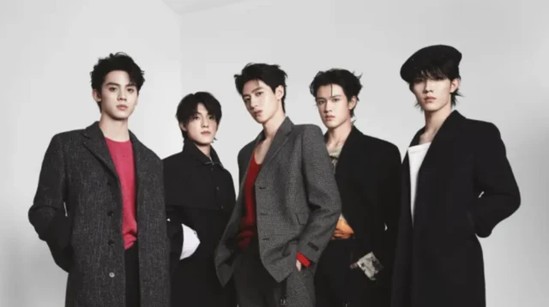
Prada appointed all five members of Chinese boy group T.O.P as brand ambassadors on June 30, marking the Italian house’s first Chinese group deal. Managed by Time Fengjun Entertainment—the agency behind TFBoys and TNT—T.O.P entered the luxury ecosystem just 19 months post-debut. The announcement drove over RMB 1.5 million in fan-tallied sales within 24 hours and generated massive engagement on Weibo, signaling a strategic shift toward treating Chinese C-pop groups as commercial units rather than recruiting single ambassadors.
Luxury houses increasingly value whole-group deals for their multi-faceted reach. Signing a collective yields multiple brand faces, distinct fan bases, and elevated Earned Media Value (EMV), similar to global deals seen with K-pop groups like BTS and Enhypen. Agencies like Time Fengjun nurture trainee-to-idol pipelines through survival shows, cultivating deeply loyal digitally native Gen Z audiences who track the artists’ growth from youth to stardom.
However, group partnerships introduce complex risks. Internal group dynamics, uneven individual popularity, and fierce fan base rivalries—such as disputes over central placement during Prada’s Qixi campaign—can turn comment sections into optical liabilities. Fandom-driven hype risks overshadowing a luxury brand’s core heritage and long-term prestige. Ultimately, Prada’s early-stage investment tests whether short-term fandom intensity and rented attention can be successfully converted into enduring luxury brand loyalty.
News Source: https://jingdaily.com/posts/from-tfboys-to-t-o-p-luxury-s-c-pop-calculation
(2) Intellectuals Become Luxury’s New Power Strategy in China as Brands Pivot from Celebrities to Scholars
(Photo Credit: Fields Medal)
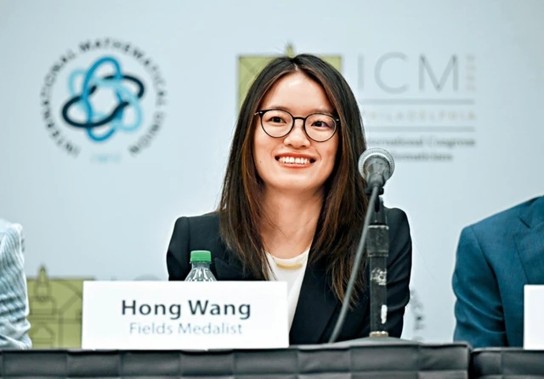
Luxury brands in China are increasingly partnering with scholars, writers, and public intellectuals to build long-term cultural authority instead of relying solely on traditional celebrity key opinion leaders (KOLs). This strategic shift gained spotlight when Chinese mathematician Wang Hong won the Fields Medal while wearing a Clash de Cartier necklace—causing the item to sell out rapidly across China despite no official partnership, demonstrating how an intellectual’s reputation for rigor and restraint can organically transfer deep credibility to a brand.
Industry experts note that while celebrities solve the challenge of brand visibility, public intellectuals solve the challenge of brand comprehension and emotional resonance. Recent implementations reflect varying levels of commitment across the industry. Brands are engaging in one-off collaborations, such as Burberry partnering with China National Geographic on a nature documentary series or establishing dedicated cultural platforms like Miu Miu’s Literary Club in Shanghai, which engaged university literature professors to lead panels on prominent women writers.
Additionally, labels are building recurring intellectual partnerships, seen in Songmont’s dedicated podcast hosted by filmmaker Zhou Yijun and Ralph Lauren engaging political philosophy professor Liu Qing to explore modern chivalry during the Ralph Lauren Polo Cup.
To succeed, experts emphasize that luxury brands must allow scholars true editorial independence rather than scripting their words like commercial actors. Attempting to over-commercialize public figures risks eroding the very authority brands seek. Ultimately, scholar partnerships serve as powerful trust magnifiers that reinforce a brand’s core substance and cultural positioning.
News Source: https://www.hkcd.com.hk/hkcdweb/content/2026/07/26/content_8766721.html
(3) Shein Targets $30 Billion to $40 Billion Valuation for Mid-August Hong Kong IPO Amid Growing Business Pressures
(Photo Credit: The Standard)
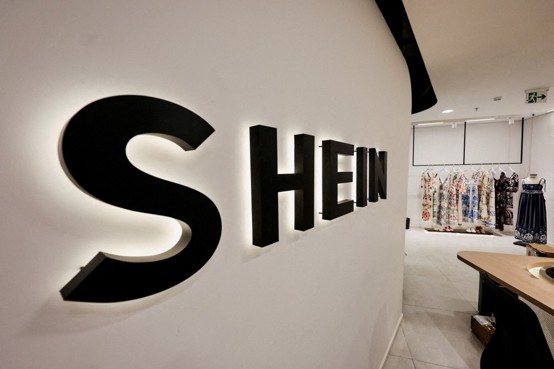
Online fast-fashion giant Shein is seeking a valuation target of US$30 billion to US$40 billion for its planned Initial Public Offering (IPO) in Hong Kong. Having kicked off pre-deal investor meetings, the company could launch the offering as early as mid-to-late August. This revised valuation target marks a significant markdown from Shein’s peak valuation of US$98.2 billion in 2022 and US$64 billion in private funding rounds in 2023 and 2024, reflecting investor caution amid slowing growth and external headwinds.
The decision to pursue a listing in Hong Kong comes after earlier attempts to go public in New York and London faced roadblocks. Recent draft IPO prospectus filings show that Shein swung to a US$99 million quarterly net loss due to slowing sales following the removal of a U.S. import duty exemption on small packages, alongside a US$328 million fair-value accounting charge. Shrinking profit margins, escalating trade costs, tighter global regulatory scrutiny, and intensifying e-commerce competition have put pressure on the retailer’s business model.
Sources note that Shein is prioritizing a realistic valuation structure to support post-listing share performance rather than attempting to maximize initial fundraising proceeds. While final offer terms and timelines remain subject to change based on ongoing investor feedback, the company secured approval from the China Securities Regulatory Commission (CSRC) in July, paving the way for its public debrief.
(4) Indonesia Fashion Week 2026 Closes with “Ulos Simetria” Collection, Driving Culture and Economic Growth

(Photo Credit: Indonesia Fashion Week)
The five-day Indonesia Fashion Week (IFW) 2026 concluded at the Jakarta Convention Center, spotlighting North Sumatra’s traditional textile heritage through its closing collection, “Ulos Simetria.” The presentation showcased classic ulos fabric combined with traditional weaving techniques—such as songket, ikat, sirat, and marsimata—reimagined through dynamic silhouettes, natural dyes, and soft pastel palettes to appeal to younger generations while preserving its deep cultural roots.
Organized by the Indonesian Fashion Designers and Entrepreneurs Association (APPMI) under President Poppy Dharsono, IFW 2026 brought together over 200 designers and 500 MSME tenants. Over its run, the event mobilized more than 4,000 creative workers, attracted over 35,000 visitors, and generated transactions exceeding Rp 10 billion. The event was further supported by Bank Tabungan Negara (BTN), which provided capital access to fashion entrepreneurs through business loan programs to foster domestic and international growth.
The event served as a major strategic platform for cultural diplomacy and regional promotion. North Sumatra Governor Bobby Nasution declared his region’s readiness to become a national fashion hub, emphasizing that local cultural heritage can revitalize both regional and national economies. Echoing this sentiment, Minister of Tourism Widiyanti Putri Wardhana noted that presenting traditional fabrics on international runways ignites global curiosity, laying the groundwork for cultural tourism and heritage diplomacy.
News Source: https://voi.id/en/lifestyle/588073