Asia Art Weekly News Bulletin – ISSUE 73 Week of 13 July 2026
(1) Market Revival: UBS Experts Decode Global Art Recovery as Hong Kong Secures Status as Premier Art Trading Hub
According to the latest Art Basel and UBS report, the global art market has returned to growth with a 4% rise in sales. Anchored by a major performance rebound in its spring auctions and a new five-year Art Basel deal, Hong Kong remains the essential super-connector for the international art trade.
(2) K-Pop Meets Antiquity: BTS Partners With the British Museum for Immersive Korea Gallery Art Trail
BTS has teamed up with the British Museum to debut the “Korea Gallery Art Trail” in London. Running through July 23, 2026, the interactive program links five ancient Korean artifacts—such as Silla-era gold jewelry and a Joseon moon jar—with themes and audio samples from the global group’s latest hit album, ARIRANG.
(3) How Southeast Asia is Reclaiming and Redefining Its Voice in the Global Performing Arts
Southeast Asia’s performing arts scene is claiming a vibrant spot on the global stage. By blending rich traditional art forms with modern theatrical narratives, the region’s creators are moving beyond outdated stereotypes to showcase authentic, complex, and highly compelling stories to international audiences.
(4) How Hangzhou-born jeweller Feng J became one of high jewellery’s most sought-after names
Chinese artist-jeweler Feng J is shaking up the high jewelry world with multimillion-dollar auction sales and a signature “Floating Set” technique. Blending Impressionist light with traditional Chinese philosophies of empty space, her ethereal, weightless designs have captured global acclaim, redefining modern luxury craftsmanship for a new generation of collectors.
(1) Market Revival: UBS Experts Decode Global Art Recovery as Hong Kong Secures Status as Premier Art Trading Hub
(Photo Credit: China News Service)
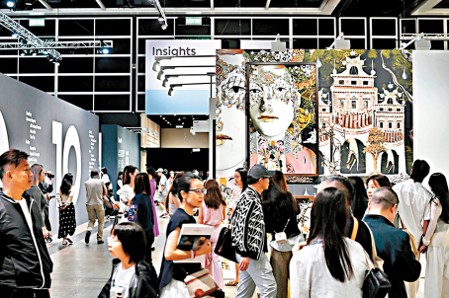
The newly released 2026 Global Art Market Report by Art Basel and UBS reveals that the global art trade has successfully ended its years-long contraction. In 2025, overall sales rose 4% year-on-year, with high-end auctions leading the rebound with a 9% surge, reflecting a robust restoration of market confidence. At the center of this revival is Hong Kong, which continues to serve as the vital gateway connecting mainland China to the global art market. The city’s spring auction season saw blockbuster sales, which, combined with the government securing a landmark five-year exclusive partnership with Art Basel Hong Kong, has firmly solidified its position as Asia’s undisputed premier art hub.
According to Eric Landolt, Head of Global Family Office Art & Collecting Advisory at UBS, this market resurgence matches the growing optimism among high-net-worth collectors. The report also highlights a significant demographic shift: the massive intergenerational transfer of wealth is bringing a more diverse, younger generation of buyers—including a notable increase in female collectors—who actively support artists early in their careers. To manage escalating geopolitical and macroeconomic risks, experts like Adrian Zuercher of UBS recommend that Asia-Pacific collectors focus on geographic diversification and prioritize historically and culturally significant masterpieces to build resilient collections.
News Source: Wen Wei Po
(2) K-Pop Meets Antiquity: BTS Partners With the British Museum for Immersive Korea Gallery Art Trail

(Photo Credit: Getty Images)
Global music icons BTS have officially collaborated with the prestigious British Museum in London to launch a curated “Korea Gallery Art Trail.” Serving as a major centerpiece of the group’s massive “BTS THE CITY ARIRANG” London takeover, the interactive initiative is housed within the museum’s Korea Foundation Gallery. Curated by Sang-ah Kim, the participatory trail guides visitors through five historical artifacts chosen to directly mirror the emotional and thematic concepts of the group’s latest fifth studio album, ARIRANG—specifically highlighting narratives of hope, resilience, and belonging.
By scanning QR codes, fans and museum-goers can explore ancient relics paired with BTS’s creative vision. The trial features a traditional Joseon-era sarangbang (scholars’ study) representing new beginnings, a white porcelain moon jar symbolizing shared humanity, and intricate Silla Dynasty gold earrings. Crucially, the Silla Kingdom artifacts showcase a clever audio parallel: the historic tolling of the Divine Bell of King Seongdeok is sampled directly in “No. 29,” the sixth track on the group’s new album. Running through July 23, 2026, the exhibition serves as a high-profile precursor to a massive, chronological “Korea” survey opening at the museum this autumn, proving once again how heritage institutions are successfully leveraging modern K-pop fandom to recontextualize ancient history for younger audiences.
News Source: Hypebeast
(3) How Southeast Asia is Reclaiming and Redefining Its Voice in the Global Performing Arts
(Photo Credit: National Arts Council)
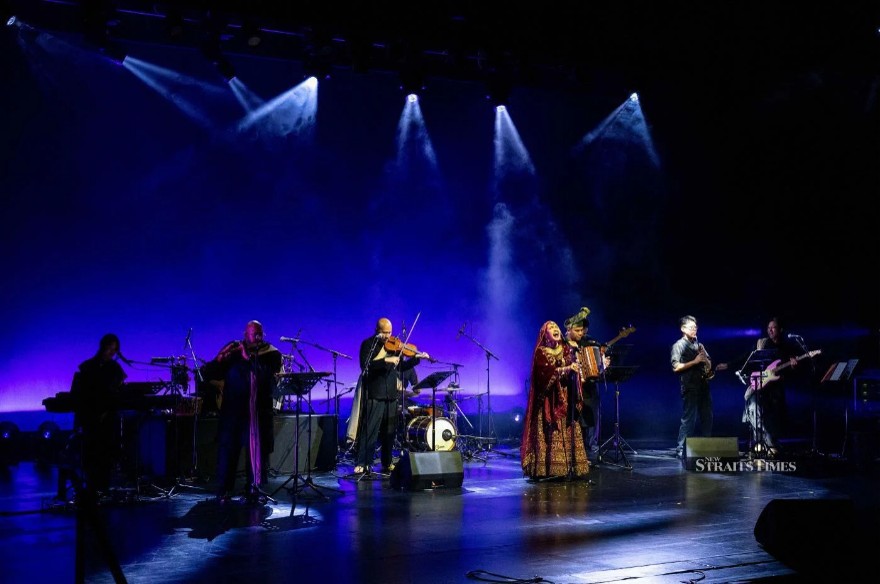
According to an insightful feature by the New Straits Times, Southeast Asian performing arts are undergoing a profound renaissance, transitioning from localized heritage showcases to a powerful, contemporary force on the international stage. From experimental theater in Kuala Lumpur and Manila to avant-garde dance companies in Jakarta and Bangkok, the region’s artists are successfully challenging Western-centric artistic paradigms. Instead of presenting “exoticized” folklore for foreign consumption, modern Southeast Asian directors and choreographers are blending traditional art forms—such as wayang kulit shadow puppetry, mak yong dance, and indigenous musical instruments—with cutting-edge digital projection and urgent, contemporary themes like climate migration, mental health, and political identity.
This artistic breakthrough is heavily propelled by increased regional collaboration and international co-productions. Festivals across the globe are increasingly curating Southeast Asian stories that offer authentic, nuanced perspectives of the global South. Rather than acting as mere passive observers, regional playwrights and performers are asserting their creative agency, ensuring that the unique socio-political realities and rich linguistic diversity of Southeast Asia are heard clearly. For global cultural curators, the rise of these distinct voices marks a critical shift in the international performing arts landscape, proving that localized heritage is a potent catalyst for world-class, universally resonant theater.
News Source: New Straits Times
(4) How Hangzhou-born jeweller Feng J became one of high jewellery’s most sought-after names
(Photo Credit: Feng J; CNA/Jasper Loh)
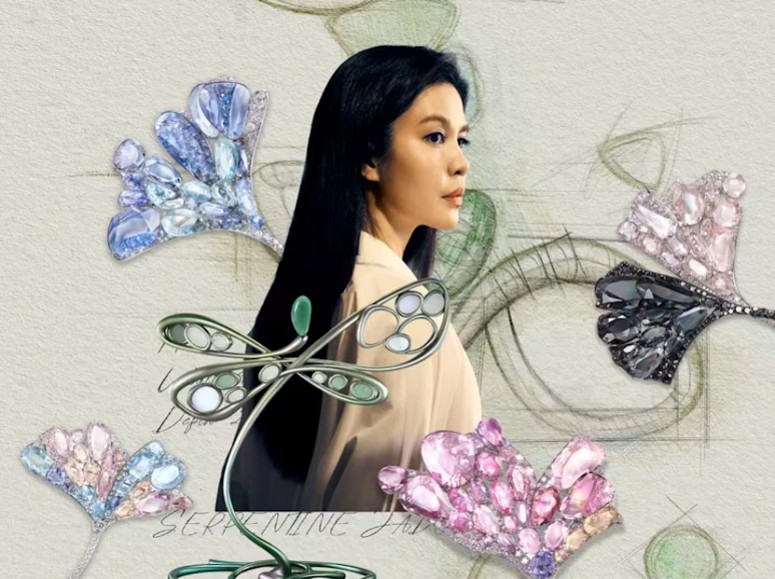
Hangzhou-born, Shanghai-based designer Feng J has emerged as one of the high jewelry world’s most sought-after independent names, successfully challenging the traditional European hegemony of the craft. After studying furniture design in China, fashion in London, and training at the prestigious Haute École de Joaillerie in Paris, she launched her namesake maison in 2016. Today, her painterly, sculptural masterpieces command millions at top auction houses—including her “Les Jardins de Giverny” necklace, which fetched US$2.6 million at Phillips, and her “Fountain on Fire” ruby ring, which sold for US$1.6 million at Sotheby’s. Her boundary-pushing creations have earned museum recognition and captured a high-profile global clientele, including celebrity fans like Rihanna.
Feng J’s signature design language is defined by her revolutionary “Floating Set” technique. By concealing the heavy metal claws and structures traditionally used to secure stones, she makes vibrant, rose-cut gems appear impossibly suspended in mid-air, connected only by microscopic hidden loops. Drawing deep inspiration from Impressionist theories of light and shadow, as well as the traditional Chinese ink painting philosophy of “treating emptiness as a form of invisible beauty,” her delicate openwork creations resemble three-dimensional brushstrokes. For luxury collectors, her innovative approach represents a profound shift toward high jewelry that is collected not merely for status or investment, but as wearable, modern fine art.
News Source: CNA Luxury