Asia Fashion Weekly News Bulletin – ISSUE 77 Week of 10 August 2026
(1) Orchard Road Fashion Week in Singapore: A Hub for Retail Innovation and Sustainability
Orchard Road Fashion Week in Singapore showcased retail innovation, sustainability, and cultural fusion, reinforcing the city’s role as a regional fashion hub.
(2) Vietnam’s Jewelers Clarify Compliance Amid Government Inspections
Vietnam’s jewelry industry faces heightened regulatory scrutiny as the government inspects compliance with anti-money laundering (AML) and tax regulations.
(3) India’s Raymond Lifestyle Targets Europe for 25% of Exports, Reduces US Dependence
India’s Raymond Lifestyle is shifting its export strategy to expand into Europe, aiming for 25% of its exports to the EU by 2027.
(4) Uniqlo Debuts Standalone Hijab Collection in Indonesia and Malaysia
Uniqlo has launched its first standalone hijab collection in Indonesia and Malaysia, catering to the growing demand for modest fashion.
(1) Orchard Road Fashion Week in Singapore: A Hub for Retail Innovation and Sustainability
(Photo Credit: The Straits Times)
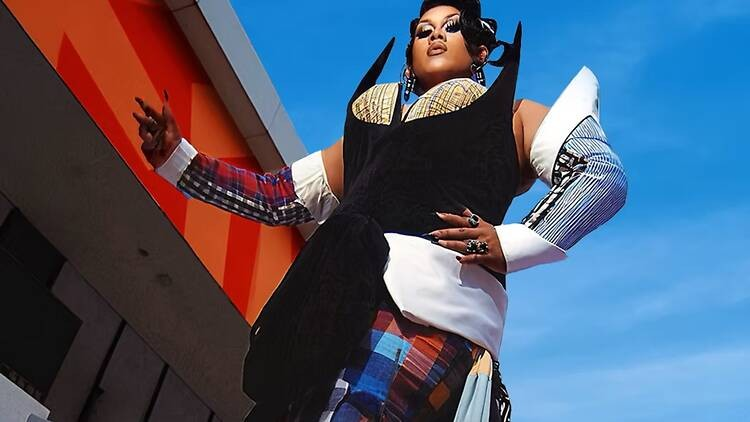
The 2026 Orchard Road Fashion Week featured collaborations between local and international designers, pop-up stores, and digital fashion experiences. The event emphasized sustainable fashion initiatives, including panels on circular economy practices and eco-friendly materials. This aligns with global trends in ethical fashion and consumer demand for transparency.
Singapore’s strategic location as a gateway for brands entering Southeast Asia was highlighted, with Orchard Road serving as a testbed for retail trends. The event attracted global attention, underscoring the importance of localized, sustainable fashion in APAC. Brands leveraged the platform to showcase their commitment to innovation and cultural exchange.
For luxury and retail brands, participating in such events offers enhanced visibility, consumer engagement, and collaboration opportunities with local designers. The success of the event reflects a broader trend where fashion weeks evolve into platforms for innovation and cultural exchange, rather than just showcases for new collections.
The emphasis on sustainability also highlights the growing importance of ESG (Environmental, Social, and Governance) compliance in the fashion industry, as brands seek to align with consumer values and regulatory expectations.
News Source: https://www.straitstimes.com/life/style/orchard-road-fashion-week-will-transform-scape-into-runway-for-five-days
(2) Vietnam’s Jewelers Clarify Compliance Amid Government Inspections
(Photo Credit: Tuoi Tre News)
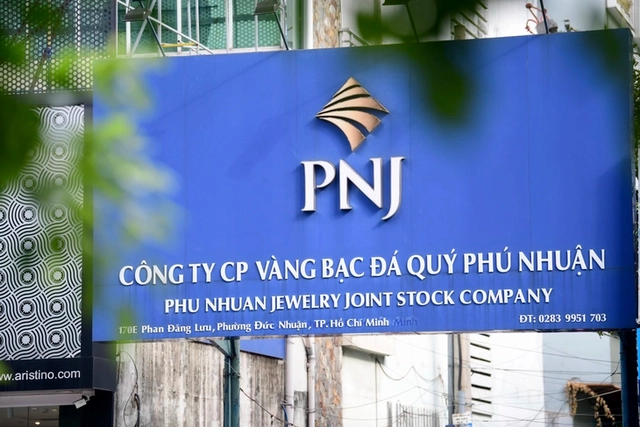
The Vietnamese government’s recent inspection of jewelry businesses has prompted industry players to clarify their operations and ensure compliance with financial and tax regulations. The inspections aim to curb tax evasion, money laundering, and illegal financial flows in the luxury goods sector. Jewelers are now reviewing their financial records, supply chains, and business practices to align with Vietnam’s stricter regulatory framework.
The inspections have highlighted gaps in compliance among some jewelers, particularly in areas like invoicing, gold sourcing, and financial reporting. Many businesses are now investing in audit systems, staff training, and digital tools to improve transparency and avoid penalties. The government’s focus on the jewelry sector reflects a broader crackdown on high-value industries in Vietnam, where financial crimes have been a persistent concern.
For international brands operating in Vietnam, this underscores the importance of legal compliance, due diligence, and transparency in supply chains and retail operations. The inspections serve as a reminder that non-compliance can lead to fines, reputational damage, and operational disruptions, which could impact both local and foreign businesses. Jewelers are also being encouraged to adopt best practices in financial management and ethical sourcing to build trust with regulators and consumers.
The government’s actions are part of a wider effort to strengthen Vietnam’s financial system and align with global standards for anti-money laundering (AML) and counter-terrorism financing (CTF). As Vietnam continues to integrate into the global economy, such regulatory measures are expected to enhance the country’s reputation as a transparent and reliable market for luxury goods.
News Source: https://news.tuoitre.vn/vietnams-jewelers-move-to-clarify-issues-after-government-inspection-103260810140422847.htm
(3) India’s Raymond Lifestyle Targets Europe for 25% of Exports, Reduces US Dependence
(Photo Credit: Fashion Network)
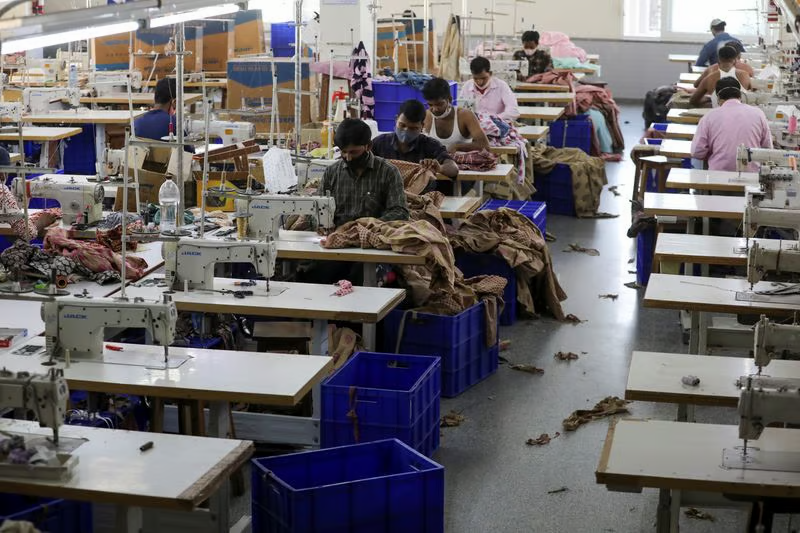
Raymond’s strategic pivot reflects geopolitical uncertainties and the need to diversify revenue streams. The company is focusing on sustainable and premium fabrics to meet European demand for eco-friendly and high-quality materials. This aligns with broader trends in the Indian textile industry, which is increasingly looking to Europe and Southeast Asia for growth. The shift is driven by a desire to reduce dependence on traditional markets like the US, which have become less predictable due to trade tensions and economic fluctuations.
This expansion is supported by trade agreements and partnerships with local distributors, as well as investments in sustainable production processes. Raymond is also exploring new design collaborations to cater to European tastes, which often prioritize both aesthetics and ethical production. The company’s efforts reflect a broader industry trend toward localization and customization for different markets.
The shift highlights the growing importance of ESG (Environmental, Social, and Governance) compliance for brands seeking to enter regulated markets like the EU. European consumers and regulators increasingly demand transparency, sustainability, and ethical labor practices, which Raymond is prioritizing in its expansion strategy.
Raymond’s move underscores the potential of Europe as a key market for APAC-based textile manufacturers. By diversifying its export destinations, the company aims to build resilience against global economic volatility and position itself as a leader in the sustainable fashion movement.
(4) Uniqlo Debuts Standalone Hijab Collection in Indonesia and Malaysia

(Photo Credit: Lifestyle Asia)
The collection features lightweight, breathable fabrics designed for tropical climates, reflecting Uniqlo’s commitment to inclusivity and local market adaptation. The hijabs are made from high-quality materials that ensure comfort and durability, addressing the needs of consumers in Southeast Asia’s Muslim-majority markets. This initiative highlights the commercial potential of modest fashion in APAC, where brands are increasingly tailoring products to cultural and religious preferences.
The launch aligns with Uniqlo’s broader strategy of expanding its footprint in emerging markets through localized product offerings. The company has a history of adapting its products to meet the unique needs of different regions, and the hijab collection is a natural extension of this approach. The collection has been well-received, with strong sales and positive feedback on social media, indicating a successful response to consumer demand.
For brands, this underscores the importance of cultural sensitivity in product design and marketing. By understanding and respecting local customs and preferences, companies can connect with diverse consumer bases and build long-term loyalty. Uniqlo’s initiative also sets a precedent for other global brands looking to enter or expand in Muslim-majority markets.
The success of the hijab collection demonstrates how inclusivity can drive commercial success. As consumers increasingly seek products that align with their values and identities, brands that prioritize diversity and cultural relevance are likely to thrive in APAC’s dynamic fashion landscape.
News Source: https://www.lifestyleasia.com/hk/style/uniqlo-hijab-collection-indonesia-malaysia-debut/