Asia Gaming Weekly News Bulletin – ISSUE 75 Week of 27 July 2026
(1) MGM China Outlines Integrated Strategy to Maximize Casino Floor Yields
MGM China Chief Executive Kenneth Feng stated that the company utilizes a “package” approach to optimize floor yield in Macau, combining luxury product renovations with promotions. Following a temporary slowdown during the FIFA World Cup, property visitation and gaming volumes have bounced back strongly, exceeding earlier first-quarter levels.
(2) Regulatory Risks Outweigh Consumer Demand for Asia-Pacific Casino Operators
Regulatory risk has replaced consumer demand as the key driver of credit quality for Asia-Pacific casino operators, according to S&P Global Ratings. Macau and Singapore stand out as the safest regional markets because their mature legal frameworks and high barriers to entry offer superior stability for investors.
(3) Regulatory Shifts Challenge Online Sports Entertainment and Sponsorship Channels Across Asia
Regulatory changes across Asia and Europe are reshaping online sports betting and entertainment markets. India has enforced a strict real-money gaming ban, while the UK targets unlicensed Asian operators sponsoring football clubs. These moves push platforms toward digital marketing to engage consumers across Greater China and broader Asian markets.
(4) Hong Kong Authorities Bust Underground Gambling Den and Racecourse Syndicate
Hong Kong police arrested 78 people in a joint anti-triad operation targeting illegal gambling dens, prostitution, and drug activities. The raids dismantled a high-revenue underground casino in North Point and an illicit horse racing syndicate operating directly inside Happy Valley Racecourse.
(1) MGM China Outlines Integrated Strategy to Maximize Casino Floor Yields
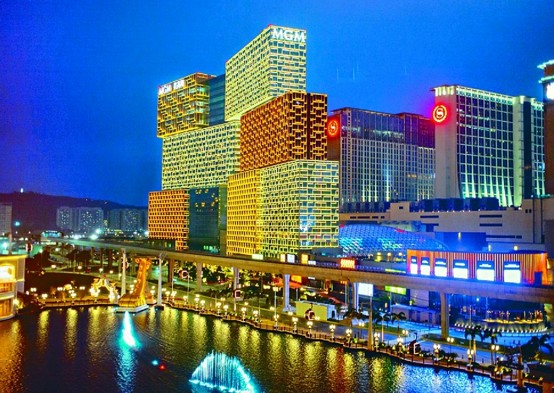
(Photo Credit: The Standard)
MGM China has reaffirmed its commitment to a holistic operational strategy in Macau, framing player incentives as part of an integrated package designed to maximize revenue yield across its casino floors. Speaking during the second-quarter earnings call, Chief Executive Kenneth Feng explained that the operator focuses on combining high-end physical products, customized hospitality services, and targeted promotions to capture premium demand in an increasingly competitive market.
The clarification follows margin compression during the second quarter, which was affected by flat year-on-year revenues and higher branding fees paid to parent company MGM Resorts. To sustain margins in the mid-to-high 20 percent range, MGM China has continuously upgraded its physical infrastructure. Recent property enhancements include suite conversions and expanded premium gaming areas at MGM Cotai, alongside an upcoming renovation of 100 suites at MGM Macau.
Addressing recent market fluctuations, management noted that FIFA World Cup broadcasts temporarily diverted player spending across regional entertainment venues in June. However, foot traffic and gross gaming revenues rebounded sharply by mid-July, exceeding performance levels recorded during the first quarter. Supported by a full calendar of concerts and cultural events across Greater China, the company expects robust visitation to continue throughout the summer peak season.
Beyond its Macau operations, parent entity MGM Resorts International confirmed that construction on the 10 billion US dollar MGM Osaka integrated resort in Japan remains on track. With over 60 percent of foundation piling finished, the project stays on schedule for a 2030 debut, marking a significant upcoming milestone for the Asia-Pacific entertainment landscape.
(2) Regulatory Risks Outweigh Consumer Demand for Asia-Pacific Casino Operators
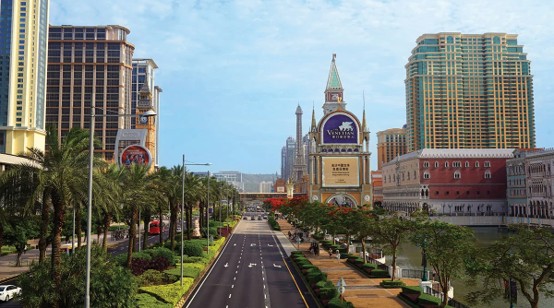
(Photo Credit: iag)
Regulatory and political environments have surpassed consumer demand as the main factor influencing credit quality for Asia-Pacific casino operators, according to a report by S&P Global Ratings. Although regional gaming revenue is projected to grow by 3 to 5 percent annually, policy shifts and social safeguards are creating a widening credit divide among operators.
S&P identifies Macau and Singapore as the safest jurisdictions for investors due to their mature legal frameworks, robust tourism infrastructure, and high barriers to entry. These established hubs provide predictable cash flows that outweigh tax advantages found in less regulated markets. Furthermore, Macau’s strong physical infrastructure and tight oversight shield local operators from disruptions caused by online gambling platforms.
In contrast, markets such as Australia, New Zealand, and the Philippines face headwinds from regulatory tightening and shifting consumer spending. S&P highlights that Asian cultural attitudes toward gambling often prompt sudden policy changes. Social stigma leads regulators to prioritize public order over short-term revenue, as seen in recent online gaming restrictions in the Philippines.
For emerging markets like Japan and Thailand, political uncertainty and long development timelines mean significant financial contributions remain years away. For the regional media and entertainment ecosystem, Macau’s regulatory stability reinforces its position as the premier destination for capital investment, large-scale entertainment staging, and integrated resort development across Greater China.
News Source: https://asgam.com/2026/07/29/s-macau-and-singapore-best-placed/
(3) Regulatory Shifts Challenge Online Sports Entertainment and Sponsorship Channels Across Asia

(Photo Credit: AP photo)
Significant regulatory developments across Asia and Europe are reshaping the online sports betting and digital entertainment landscape. In India, the government has enforced strict rules under the Promotion and Regulation of Online Gaming Act. The framework draws a sharp distinction between permitted esports and prohibited real-money gaming, creating tighter compliance hurdles across the region.
Simultaneously, European regulatory enforcement is impacting how sports media brands reach Asian consumers. The UK government plans to ban unlicensed Asian betting operators from sponsoring Premier League football clubs. These sponsorships previously served as primary marketing funnels into football-heavy Asian markets, including China, Thailand, and South Korea, where European football enjoys immense popularity.
As traditional sponsorship channels close, operators targeting Asian audiences are pivoting toward digital marketing, affiliate networks, and localized partnerships. This strategic shift directly influences the regional media ecosystem, as digital content platforms and sports entertainment providers adapt to new compliance standards and shifting advertisement revenues.
Meanwhile, global sports data provider Sportradar faces scrutiny following short-seller allegations regarding its compliance procedures in Asian markets such as China, Vietnam, and Thailand. Sportradar executive leadership strongly denied the allegations, reiterating a commitment to strict regulatory standards.
Across the Asia-Pacific region, online sports entertainment operates within a complex patchwork of legal frameworks. Stricter rules in major Asian markets are pushing digital media platforms and sports technology providers to innovate, balancing regulatory compliance with ongoing consumer demand for sports engagement.
News Source: https://www.intergameonline.com/igaming/insights/india-real-money-online-gaming-ban-asia-igaming
(4) Hong Kong Authorities Bust Underground Gambling Den and Racecourse Syndicate
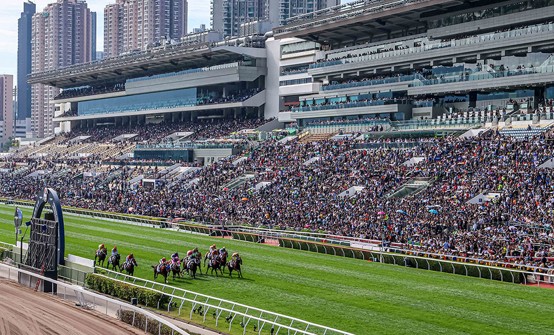
(Photo Credit: HKJC)
Hong Kong police have dismantled an organized crime ring as part of a joint anti-triad blitz across Guangdong, Hong Kong, and Macau. The two-week operation resulted in the arrest of 78 individuals, aged 16 to 68, on charges including illegal gambling, money laundering, drug trafficking, and triad membership. Authorities shut down four illegal gambling venues, raided 10 illicit vice establishments, and confiscated dangerous drugs valued at approximately HK$500,000.
Among the targeted premises, officers raided a 1,000-square-foot ground-floor residential unit in North Point operating as an underground mini-casino. Designed with designated zones for baccarat and mahjong, the venue provided complimentary meals and drinks to encourage local residents to remain on site, generating an estimated monthly revenue of up to HK$400,000.
In a parallel enforcement action on July 8, law enforcement targeted an illicit bookmaking network operating directly inside the Hong Kong Jockey Club’s Happy Valley Racecourse. Following a report from venue operators, police arrested seven men, including six mainland Chinese visitors holding two-way permits. The group had allegedly reserved secluded grandstand seating on race days to place unauthorized, real-time bets via mobile phones with offshore gambling platforms.
The disruption of unauthorized gambling networks inside premier venues highlights ongoing enforcement efforts to maintain institutional integrity within the regional sports and media entertainment sectors. Authorities are continuing to investigate whether larger criminal syndicates control these illegal operations behind the scenes.
News Source: https://letsgohorseracing.com.au/hong-kong-police-bust-underground-mini-casino-racecourse-betting-syndicate/