Asia Art Weekly News Bulletin – ISSUE 66 Week of 25 May 2026
(1) How wealthy female collectors in China and Hong Kong are reshaping the art market
Women are increasingly reshaping the art world as collectors, especially in China and Hong Kong, where their influence is growing both financially and culturally. By backing female artists and emerging voices, they are not only changing buying patterns, but also widening the perspectives and stories that the art world chooses to value.
(2) Beyond visitor numbers: Hong Kong must track the full worth of its art and culture
Hong Kong has become more ambitious in cultural investment, but it still struggles to measure the human impact of those efforts. Experts argue that beyond visitor figures and spending, the city needs better ways to track how arts initiatives improve well-being, community ties and public life, so culture is valued more fully.
(3) Singapore artist Ho Tzu Nyen wins 2026 Fukuoka Prize Grand Prize
Singapore artist Ho Tzu Nyen has won the 2026 Fukuoka Prize Grand Prize, becoming the first Singaporean to receive the honour. Known for work that reimagines Southeast Asian history and identity, he was recognised for expanding video art and will deliver a public lecture in September.
(4) Four decades of Chinese art, 67 works and a show that defies easy categorisation
Auckland Art Gallery’s Forever Tomorrow offers New Zealand’s largest survey of Chinese contemporary art, tracing its evolution from the late 1970s to today. Featuring 67 works, the show moves beyond familiar political frames to explore migration, intimacy, identity and change through the lived experiences of Chinese artists.
(1) How wealthy female collectors in China and Hong Kong are reshaping the art market
(Photo Credit: Handout)
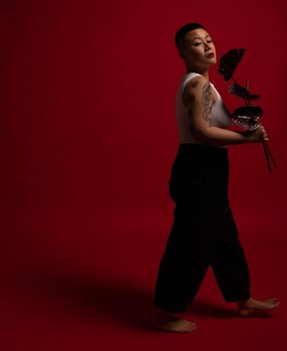
Each March, as Hong Kong’s Art Week turns the city into a regional cultural showcase, a quieter but significant shift takes place behind the scenes. Women are playing a growing role not only as artists, but also as collectors, reshaping how art is valued, supported and understood.
For much of history, art collecting was tied to male dominated systems of power, leaving women excluded from patronage and artistic recognition. However, that balance is changing as wealth and influence move more towards female hands. Recent data shows women now control a rising share of global wealth and are directing more of it towards art, often collecting with different priorities from men. They are more likely to buy works by female artists, support emerging names and take risks on less established voices.
China has become a major force in this transformation, with female collectors on the mainland driving especially strong spending. In Hong Kong and Shanghai, institutions such as M+ and the Long Museum have also helped elevate women artists through major exhibitions and public visibility.
Collectors and scholars say this shift goes beyond market trends. It is broadening the perspectives represented in art and challenging long dominant ways of seeing. In that sense, the rise of women collectors is not just changing who buys art, but also what stories art is allowed to tell.
(2) Beyond visitor numbers: Hong Kong must track the full worth of its art and culture
(Photo Credit: SCMP)
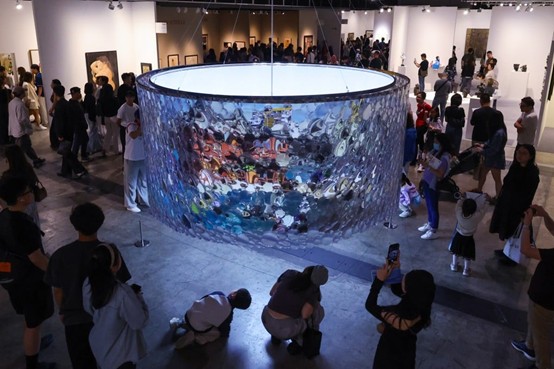
Hong Kong is investing heavily in culture, from international museum partnerships to major arts events, but the city still lacks a clear way to measure how those projects affect people’s lives. While institutions can easily track visitor numbers, spending and infrastructure targets, the deeper social value of cultural investment often remains harder to define and too easy to overlook.
Yet research shows an increase in meaningful benefits that arts and culture can produces beyond economics. Studies have linked regular cultural engagement to improved well-being, stronger social bonds and even healthier ageing. Despite this, Hong Kong has yet to build a consistent system for assessing how cultural initiatives shape community cohesion, civic pride, public health and a sense of belonging.
This gap matters because without stronger evidence, policymakers may continue to judge cultural projects mainly through attendance figures and financial returns. That risks understating the broader role culture can play in a city facing social change and shifting public expectations.
The argument is not that art should be reduced to numbers. Rather, it is that social impact deserves more serious recognition through better frameworks that combine data with qualitative research. If Hong Kong can measure cultural value more fully, it will be in a stronger position to justify investment and show how the arts enrich public life.
(3) Singapore artist Ho Tzu Nyen wins 2026 Fukuoka Prize Grand Prize
(Photo Credit: Courtesy the Singapore Art Museum)
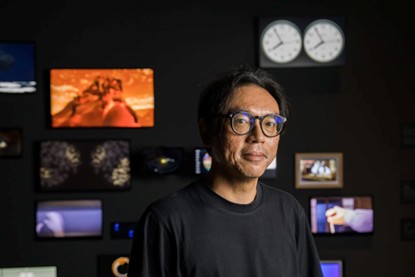
Singapore artist Ho Tzu Nyen has been named the 2026 Grand Prize laureate of the Fukuoka Prize, becoming the first Singaporean artist to receive the honour. The prize honours outstanding individuals or organizations for their contributions to preserving and promoting Asian culture, arts, and academic studies. The award, announced on 22 May 2026 by the Fukuoka Prize Committee, recognises individuals who have made major contributions to Asian studies and to arts and culture, and carries a prize of 5 million yen.
Born in 1976, Ho is known for films, performances and video installations that examine Southeast Asian history through layered and unconventional narratives. His work often explores the legacy of Japanese imperialism and draws on regional folklore, including figures such as the yōkai and the tiger, to blur the boundaries between fiction and reality.
He has represented Singapore at the Venice Biennale and taken part in major exhibitions including the Shanghai Biennale, Aichi Triennale and Sharjah Biennial. He also co-curated the Asian Art Biennial in Taiwan in 2019 and is now serving as artistic director of the 16th Gwangju Biennale, which opens in September.
The prize committee praised Ho for pioneering immersive technologies in video art and for offering fluid perspectives on Asian identity and Japan’s place in the region. As part of the award, he will give a public lecture on 12 September 2026 before the formal ceremony on 14 September 2026.
News Source: https://www.artasiapacific.com/news/ho-tzu-nyen-wins-2026-fukuoka-grand-prize/
(4) Four decades of Chinese art, 67 works and a show that defies easy categorisation
(Photo Credit: courtesy of David St George)
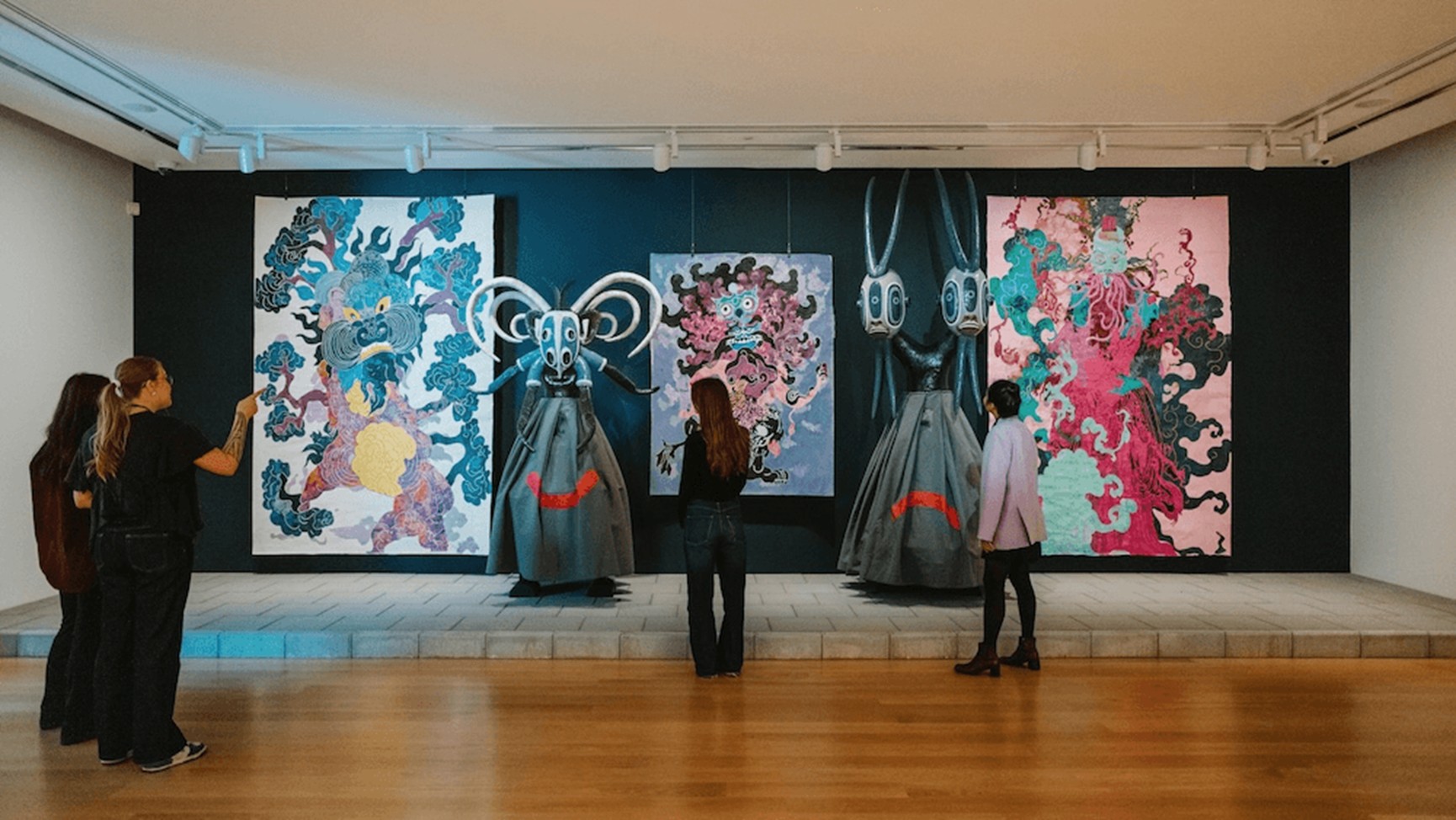
Auckland Art Gallery Toi o Tāmaki is hosting what is described as the largest survey of Chinese contemporary art ever staged in New Zealand, bringing together 67 works by major names including Ai Weiwei alongside artists showing in the country for the first time.
Running until August, Forever Tomorrow traces the development of Chinese contemporary art from the late 1970s to the present, placing it in the context of economic reform, globalisation, urban migration and social change. The exhibition begins with a historical section that introduces key moments in the emergence of the movement, including the 1989 China Avant-Garde exhibition, before shifting toward more personal and socially grounded themes.
Later sections explore migration, changing ties to home, intimacy and queer identity, offering a broader picture of Chinese contemporary art beyond familiar stereotypes of political resistance or cultural exoticism. Works such as Li Binyuan’s Freedom Farming and Xiyadie’s Gate reflect deeply personal struggles around family, sexuality and belonging.
Curator H. Wilco said the exhibition was designed to resist reductive readings of Chinese art and instead foreground complexity, diversity and lived experience. Rather than presenting China through simple binaries, the show asks viewers to consider how artists respond to history, pressure and change while navigating the uncertain promise of a better future.