Asia Gaming Weekly News Bulletin – ISSUE 64 Week of 11 May 2026
(1) Hong Kong’s pinball wizards and claw fans defend arcade thrills as curbs loom
Hong Kong is considering stricter rules for claw and pinball machines, including individual licences, warning notices and measures to curb addiction concerns. The proposal has sparked debate, with psychologists warning of gambling like behaviour, while players and operators argue the games are harmless entertainment and fear tighter regulation could hurt business.
(2) Philippines Blocks Gambling Sites on Government Wi-Fi Network
The Philippines is blocking access to gambling websites with explicit features on government funded public Wi Fi, especially in schools and rural areas. The policy is part of a wider push to expand internet access while promoting cybersecurity, digital literacy and safer online behaviour, though officials admit some users may still bypass restrictions.
(3) MGM’s Kenneth Feng voices concern over KOL gaming promotion in China
MGM China president Kenneth Feng has raised concerns that some Chinese social media influencers may be crossing into gambling promotion, underscoring new risks in Macau’s post junket era. He said operators must stay within the law as Beijing pushes for a healthier, more tightly regulated gaming sector and broader economic diversification.
(4) Illegal gambling looms as World Cup nears, survey finds
A new Hong Kong survey has raised alarm over illegal gambling ahead of the World Cup, with minors increasingly exposed through online platforms. The findings also point to growing use of prediction markets, which could deepen addiction risks, erode tax revenue and put further pressure on public finances and community wellbeing.
(1) Hong Kong’s pinball wizards and claw fans defend arcade thrills as curbs loom
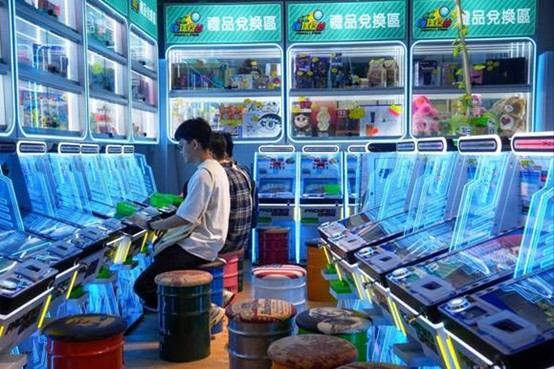
(Photo Credit: Elson Li / SCMP)
Hong Kong authorities are considering a significant tightening of gambling laws to regulate the city’s burgeoning pinball and claw machine industry. The Home and Youth Affairs Bureau recently proposed that each individual machine require a specific license to operate. This move aims to address growing concerns that these prize-based games act as a gateway to gambling addiction. Under the new proposal, operators would be forced to display entrance notices and addiction warnings to promote “rational spending” among players.
The popularity of these machines has turned shopping centers like Sham Shui Po’s Dragon Centre into hubs for families and students. Participants use prepaid cards to play for points, which are then redeemed for rewards ranging from portable fans to high-end electronics. While clinical psychologists warn that the “near-miss” thrill of these games triggers neurological responses similar to casino gambling, many users disagree. Regular players, such as local homemakers and students, view the activity as a form of “lucky draw” or a skill-based challenge rather than a financial risk.
Industry operators fear that reclassifying these amusements as gambling will deter customers and damage the local economy. Some players have also pointed out a double standard, arguing that if claw machines are regulated for being addictive, the government should also target mobile app purchases and blind boxes. As the debate continues, experts suggest that disclosing winning probabilities may be a necessary compromise to balance public entertainment with mental health protections.
News Source: https://www.scmp.com/news/hong-kong/society/article/3352804/hong-kongs-pinball-wizards-and-claw-fans-defend-arcade-thrills-clamp-looms?pgtype=live
(2) Philippines Blocks Gambling Sites on Government Wi-Fi Network
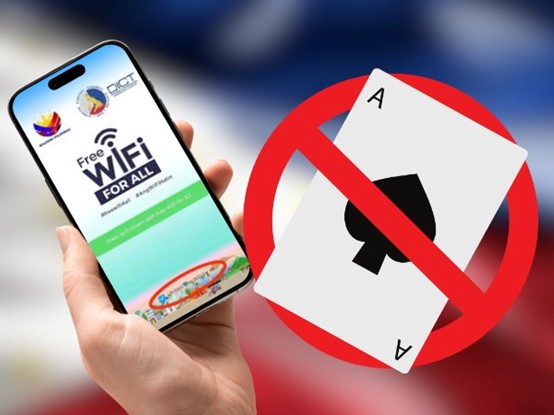
(Photo Credit: IGAMINGTODAY)
The Philippine government is tightening controls on its public internet network by blocking access to explicit content and gambling websites across Wi Fi services funded by the state. The move forms part of a broader effort to make online access safer, especially for students and people in remote communities who rely on the government’s Free Wi Fi for All programme.
Officials said the restrictions are built into public internet systems, particularly in schools and educational facilities, where the government is also promoting digital literacy, responsible online behaviour and cybersecurity awareness. The Department of Information and Communications Technology said it is working with the education sector to support training for teachers, parents and local communities alongside internet rollout.
In Zamboanga del Sur, authorities have installed 324 Wi Fi hotspots across 108 schools, most of them in rural areas with limited connectivity. The project is designed not only to expand access but also to make that access more secure and suitable for learning environments.
Officials acknowledged that some users may try to bypass restrictions through tools such as virtual private networks, but said monitoring and filtering systems are being strengthened. The initiative reflects a wider push by the Philippine government to combine digital inclusion with tighter online regulation, as it steps up action on cybercrime, illegal gambling and harmful content in public digital spaces.
News Source: https://www.igamingtoday.com/philippines-blocks-gambling-sites-on-government-wi-fi-network/
(3) MGM’s Kenneth Feng voices concern over KOL gaming promotion in China

(Photo Credit: Asia Gaming Brief)
MGM China president Kenneth Feng has voiced concern over reports that some Chinese social media influencers may be straying into the promotion of gambling, highlighting a sensitive issue as Macau’s gaming industry adjusts to a post junket era. Speaking at a G2E Asia panel, Feng said some key opinion leaders appeared to be acting like unofficial middlemen by directing players to casinos, a trend that has drawn scrutiny in mainland Chinese media.
The issue reflects a wider shift in Macau, where the collapse of the junket system has removed much of the traditional distance between casino operators and gamblers. In that new environment, influencers and referral based marketing may be filling part of the gap, creating fresh legal and regulatory risks for operators.
Feng said MGM follows Macau law and the laws of every market in which it operates, and suggested Beijing has both the means and the resolve to intervene when conduct is seen to threaten social stability. Rather than describing the moment as a crackdown, he portrayed it as part of a broader process of maturation in China’s governance and in Macau’s casino sector.
He also pointed to President Xi Jinping’s call for Macau’s gaming industry to develop in a healthy and lawful way, alongside Beijing’s wider push for economic diversification. The message from operators, Feng said, is increasingly clear: comply with the law, avoid grey areas and stay away from activities that could invite regulatory attention.
News Source: https://agbrief.com/news/macau/13/05/2026/mgms-kenneth-feng-voices-concern-over-kol-gaming-promotion-in-china/
(4) Illegal gambling looms as World Cup nears, survey finds
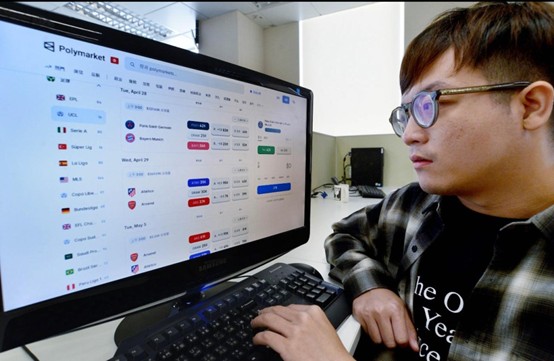
(Photo Credit: The Standard)
A new survey has highlighted growing concern over illegal gambling in Hong Kong ahead of the World Cup, with 40 percent of respondents saying they know someone who has placed bets with illegal bookmakers. The poll, based on more than 10,000 responses collected in late April, suggests that online gambling is becoming more widespread and that minors are increasingly being exposed through social media, messaging platforms and school networks.
The findings point to both heavy betting activity and rising financial risk. Many respondents said friends or relatives were placing multiple illegal bets each week, with some reportedly spending thousands of Hong Kong dollars. Illegal operators were also said to be taking wagers on more than 2,000 football matches a week, while losses tied to illegal gambling in Hong Kong have already reached significant levels in recent years.
Concern is also growing over how easily young people can be drawn in. Promotions, mobile access and instant payment options have made illegal betting more accessible, while the long World Cup schedule is expected to drive a further surge in activity. Many respondents believe betting by friends and family will rise during the tournament.
The survey also flagged the rise of prediction markets, which are drawing Hong Kong users into sports related wagering outside traditional channels. Analysts warn that if illegal gambling and prediction market activity continue to expand, the government could lose substantial tax revenue and the wider social costs could deepen.
News Source: https://www.thestandard.com.hk/news/article/331962/Illegal-gambling-looms-as-World-Cup-nears-survey-finds