Asia Gaming Weekly News Bulletin – ISSUE 69 Week of 15 June 2026
(1) Gambling addiction in Philippines worsens as helpline calls surge
Despite new curbs, gambling addiction appears to be worsening in the Philippines as hotlines report a sharp rise in distress calls. Counsellors say the crisis is spreading across income groups and families, with economic hardship, easy online access and weak safeguards fueling demand for stronger protections and support.
(2) “450,000 Gambling Comments in Two Weeks” Chinese SNS Declares War on Illegal World Cup Gambling
Xiaohongshu says it will intensify action against gambling content during the 2026 World Cup, citing a recent spike in illegal posts, comments and suspected crimes. The move comes as Chinese authorities warn of betting scams, and as the platform reportedly prepares for a major Hong Kong listing.
(3) Are digital payments enough to unlock regulated igaming in Asia?
Digital payments may have made online gambling technically viable across Asia, but industry experts say politics still stands in the way. While payment systems and identity checks have improved sharply, restrictive laws, regulatory hesitation and stronger enforcement continue to hold back the development of fully regulated igaming markets.
(4) Chinese President urges Myanmar to continue to combat illegal online gambling
Chinese President Xi Jinping has urged Myanmar to intensify its crackdown on online gambling and telecom fraud, underscoring China’s continued concern over scam compounds near the border. Despite past enforcement actions, the networks remain active and are increasingly shifting across the region to evade authorities.
(1) Gambling addiction in Philippines worsens as helpline calls surge

(Photo Credit: SCMP)
The Philippines is trying to tighten controls on gambling, but counsellors and support groups say addiction is still deepening as more families seek urgent help. At Bridges of Hope, gambling now makes up nearly 90 per cent of hotline calls this year, up from 70 per cent in 2025, according to founder Jon Ty. He said the damage often extends far beyond the gambler, affecting jobs, finances and family stability.
Support groups say the growing crisis is straining their resources. Bridges of Hope has expanded from 13 rehabilitation centres last year to 16, with more planned. Recovering Gamblers of the Philippines said its helpline is now receiving about 30 calls a day, up from 20 last year, and has turned to AI support to manage rising demand, especially during late night hours when losses often peak.
The problem spans a wide social range. Counsellors say online gambling is affecting low income and lower middle income households, but also younger professionals, housewives and overseas Filipinos, including domestic workers in Hong Kong. Some callers say money meant for school fees and daily expenses has been lost to betting.
Although Manila has curbed gambling advertising and restricted some payment links, advocates say the measures remain inadequate. They warn that economic stress, easy digital access and weak safeguards are driving more people towards addiction, while tougher regulation and stronger support services remain urgently needed.
(2) “450,000 Gambling Comments in Two Weeks” Chinese SNS Declares War on Illegal World Cup Gambling

(Photo Credit: Xiaohongshu / Asia Business Daily)
Chinese social media platform Xiaohongshu says it will tighten enforcement against gambling related content as interest in the 2026 FIFA World Cup continues to grow. The company said it wants to maintain a healthier online viewing environment during the tournament, a period often associated with a surge in illegal betting activity.
According to Chinese media reports, Xiaohongshu has stepped up enforcement since issuing a notice earlier this month on regulating gambling linked to the World Cup. Over the past two weeks, the platform said it had addressed around 12 gambling related criminal cases, flagged 40,000 accounts involved in such content, removed 65,000 illegal posts and processed more than 450,000 gambling related comments.
The company said online gambling, illegal betting and related promotion are prohibited, and warned that violating accounts could face content deletion as well as restrictions on private messaging and group chat functions. Chinese public security authorities have also warned that World Cup related scams tend to rise during the tournament season, including fraudulent betting sites, fake FIFA notices designed to steal personal data and counterfeit souvenirs marketed as official merchandise.
The crackdown comes as Bloomberg reported that Xiaohongshu is preparing to confidentially file for an initial public offering in Hong Kong this month. While the plans are still under discussion and major details remain undecided, the listing could become one of the city’s biggest in recent years if it goes ahead.
News Source: https://www.asiae.co.kr/en/article/world-general/2026061616051217159
(3) Are digital payments enough to unlock regulated igaming in Asia?
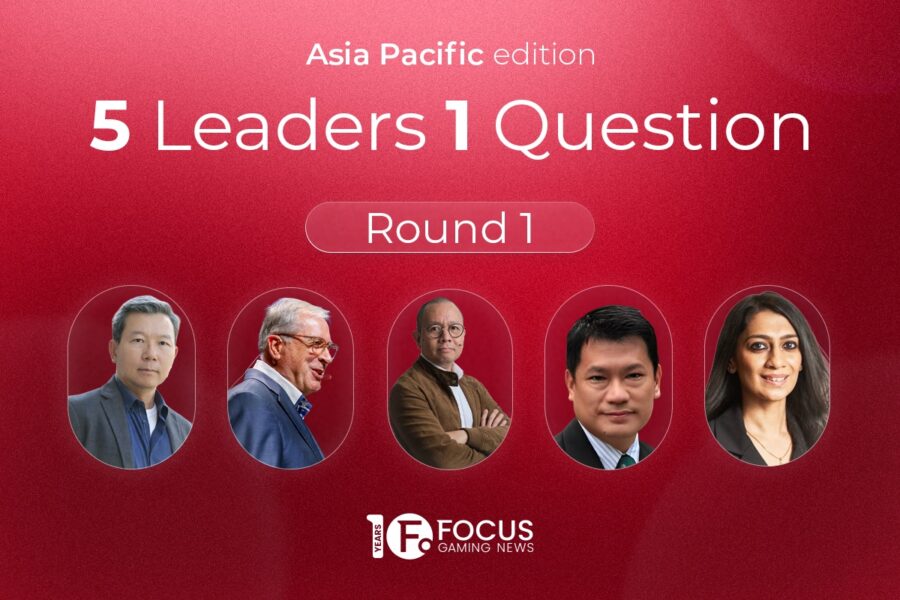
(Photo Credit: Focus Gaming News)
Advances in digital payments have removed many of the technical obstacles to regulated online gambling in Asia, but industry experts say politics remains the bigger barrier. Across the region, mobile use is high, e wallet adoption is widespread and identity verification tools have become more sophisticated, making regulated igaming more feasible from an operational standpoint.
Yet five experts surveyed by Focus Gaming News argued that technology alone will not open Asian markets. Consultant Daniel Cheng said digital payments have progressed significantly, but not enough to ease the political sensitivities that still surround gambling in many larger economies. Shaun McCamley of Euro Pacific Asia Consulting said the infrastructure is already in place, but regulation will determine whether legal markets can emerge.
Others pointed to country specific tensions. Jonas Diego said the Philippines shows how innovation can outpace policy, with lawmakers still divided over how far online gambling should be allowed. Kok Keng Lau of Rajah and Tann Singapore said enforcement is accelerating faster than legalisation in several markets, warning that better payment systems may simply make grey markets more efficient if governments do not act. In India, lawyer Ranjana Adhikari said the country’s digital payments system is highly advanced, but tighter rules have sharply limited real money gaming.
Taken together, their views suggest that Asia’s igaming future depends less on payment technology than on whether policymakers are prepared to create clear and credible regulatory frameworks.
News Source: https://focusgn.com/5-leaders-1-question-are-digital-payments-enough-to-unlock-regulated-igaming-in-asia-pacific
(4) Chinese President urges Myanmar to continue to combat illegal online gambling

(Photo Credit: Inside Asian Gaming)
Chinese President Xi Jinping has urged Myanmar to keep up its crackdown on online gambling and related cross border crime, placing the issue at the centre of talks in Beijing with Myanmar leader Min Aung Hlaing. In response, Min said Myanmar was ready to work closely with China to fight online gambling, telecom fraud and threats to border security.
The meeting highlights Beijing’s continuing concern over scam compounds operating along the China Myanmar frontier, despite repeated claims that such networks had been dismantled. Nearly six months ago, China executed 11 people linked to scam centres in Myanmar after they were convicted of offences including murder, fraud and running casinos. Yet the latest exchange between the two leaders suggests authorities still see the problem as far from resolved.
The issue has become especially sensitive because many victims have been lured into these compounds with false job offers, including Chinese nationals and other foreigners. China has also been concerned about the safety of its businesses and citizens operating in Myanmar, a point Min addressed by pledging stronger protection for Chinese enterprises and personnel.
Crackdowns in Myanmar, Cambodia and elsewhere in Southeast Asia have not ended the trade. Instead, illegal operations have increasingly shifted into other countries, including Laos, Thailand and Sri Lanka, while adopting more mobile structures and more sophisticated tactics to evade enforcement.
News Source: https://asgam.com/2026/06/17/chinese-president-urges-myanmar-to-continue-to-combat-illegal-online-gambling/