China Media and Entertainment Weekly News Bulletin – ISSUE 107 Week of 29 June 2026
(1) Hong Kong Actor Louis Koo to Stage First Hong Kong Coliseum Show After 33 Years in Entertainment
Veteran actor Louis Koo will host his first-ever solo shows at the Hong Kong Coliseum this August. Titled “Louis Koo My First Show”, the priority booking sold out within five minutes. Koo aims to create a party atmosphere and promises surprising guest stars alongside limited dance routines.
(2) Guangdong TV Unveils 38 New 4K Programs to Deepen Greater Bay Area Content Push
Guangdong Radio and Television unveiled 38 upcoming programs utilizing advanced 4K ultra-high-definition and artificial intelligence technologies. The new lineup focuses on the development of the Greater Bay Area, highlighting youth growth, local industry innovation, and regional culture. This visual upgrade aims to boost the network’s mainstream media brand.
(3) Six Works Win Outstanding Micro-Drama Honor: Industry Says Creativity Is Core, AI Expands Boundaries
At the 2026 Shanghai TV Festival, six micro-dramas including Home Inside and Outside and Miracle won Outstanding Micro-Drama honors. Industry voices stress storytelling as the foundation, while AI expands production capacity and enables niche IPs. Yet, real-life themes and emotional authenticity remain vital for differentiation in the AI era.
(4) Clockenflap’s Justin Sweeting and Woozi Studio’s Mia Min Yen on Asia’s Live Music Boom at Golden Melody Festival: ‘No Longer Is a Fan Just Buying a Ticket, but Investing in a Memory’
At Taiwan’s Golden Melody Festival, experts highlighted Asia’s growing live music economy. Rising costs in the West push artists eastward, while youthful audiences, strong infrastructure, and cultural awareness fuel demand. Speakers stressed diversity, sustainability, and community-driven experiences, predicting Southeast Asia’s market will flourish with diminishing language barriers and emerging sounds.
(5) Chinese pop singer Jane Zhang receives fines for “unauthorized impromptu performances”
Chinese pop star Jane Zhang revealed that concert organizers were fined because she performed unapproved, a cappella songs for her fans. Industry experts explained that commercial live music events are heavily regulated. Performing unscripted tracks without prior government clearance explicitly violates national performance laws.
(6) Jolin Tsai and Chang Chen-yue Lead the Pack at Golden Melody Awards
The 37th Golden Melody Awards concluded in Taipei, celebrating excellence in Mandarin and regional music. Pop superstar Jolin Tsai won Album of the Year and Best Mandarin Female Singer for Pleasure. Singer-songwriter Chang Chen-yue also swept major categories, including Best Mandarin Album and Best Male Singer.
(7) MiniMax Hub Revamps Filmmaking Workflows at Shanghai Film Festival
The 28th Shanghai International Film Festival concluded its “AI Studio” section, organized alongside artificial intelligence firm MiniMax. The event showcased the MiniMax Hub platform, which streamlines filmmaking by letting creators generate scripts, storyboards, and videos using natural language. The initiative highlighted a massive shift toward AI-assisted production workflows.
(8) Beijing, Tianjin, and Hebei Launch Joint Copyright Enforcement Initiative
The Beijing, Tianjin, and Hebei copyright law enforcement authorities have issued a joint initiative to strengthen intellectual property protection. The regulation targets illegal streaming of the 2026 FIFA World Cup, movie piracy, counterfeit cultural merchandise, and unauthorized e-book distribution. Platforms must clear infringing links or face penalties.
(9) China Enforces Real Name Stroke Count Billing for TV Dramas
China’s National Radio and Television Administration issued a strict new policy forcing all drama credits to display actors’ real names sorted alphabetically by surname stroke count. The rule aims to eliminate fierce ranking disputes among stars. However, it sparked immense backlash from top celebrity fan clubs over perceived unfairness.
(10) KKBOX Hong Kong Music Awards returns with ‘Music Reborn’
The 8th KKBOX Hong Kong Music Awards at AsiaWorld‑Arena united 19 artists from Hong Kong, Taiwan, and Japan under the theme Music Reborn. Highlights included cross‑regional collaborations, reinterpretations of classics, and debuts such as jo0ji’s performance. The night closed with Anson Lo’s premiere of Helicopter, celebrating music’s evolving vitality.
(11) Yu Zheng Launches All‑AI Short Drama, Sparking Industry Debate
Chinese producer Yu Zheng released a five‑minute AI short drama with all extras generated by AI, sparking debate in China’s film industry. Known for Story of Yanxi Palace, Yu’s experiment highlights AI’s potential to cut costs and reshape production, especially in the fast‑growing short drama market.
(12) Legendary Singer Jenny Tseng Ignites Debate Over Controversial statement regarding Hong Kong’s Generational Talent Gap
Veteran singer Jenny Tseng sparked intense industry debate after publicly lamenting a severe talent talent gap in Hong Kong’s pop music scene. While praising Taiwan’s thriving Mandopop ecosystem, Tseng, in a controversial statement, stated that Hong Kong has failed to produce distinct successors to lead its legendary music legacy into the modern era.
(1) Hong Kong Actor Louis Koo to Stage First Hong Kong Coliseum Show After 33 Years in Entertainment
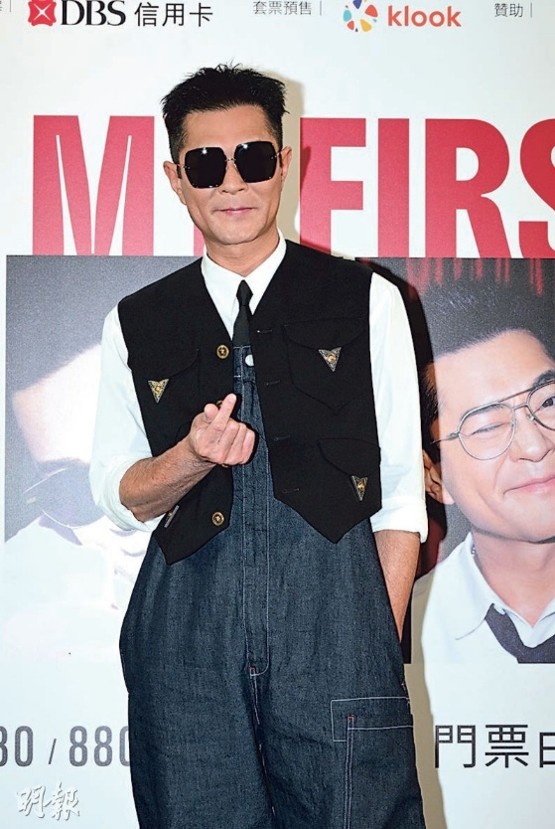
(Photo Credit: Mingpao)
Veteran entertainment figure Louis Koo announced he will hold his first solo stage shows at the iconic Hong Kong Coliseum this August. Titled Louis Koo My First Show, the highly anticipated two-night event marks his concert debut after thirty-three years in the entertainment industry. Speaking at a press conference, Koo said he deliberately avoided calling it a concert because he wants the event to feel more like a party, with a stronger sense of closeness between himself and the audience. To create an intimate atmosphere, he plans to perform while sitting directly within the audience section.
The announcement has triggered massive excitement across the regional entertainment market, with priority booking tickets selling out completely within five minutes. Public ticket sales are scheduled to begin on July 3. Koo revealed he custom-designed a signature red and black microphone for the performances. Addressing his historical vocal abilities, Koo humorously noted that while he previously lacked formal vocal training, he believes in pushing personal boundaries and trying new artistic mediums.
Industry analysts and critics view this milestone as a significant cultural moment for the Cantonese entertainment sector, as Koo remains one of Hong Kong’s most influential cinema tycoons. Music critics expect the shows to blend nostalgic pop covers with his own classic tracks. Koo also confirmed high-profile guest appearances from long-time on-screen partner Jessica Hsuan and the hip-hop duo Fama.
News Source: https://news.mingpao.com/pns/%e5%a8%9b%e6%a8%82/article/20260630/s00016/1782751145791/%e5%8f%a4%e5%a4%a9%e6%a8%82%e8%99%95%e7%94%b7%e7%b4%85%e9%a4%a8%e9%a8%b7%e6%8c%91%e6%88%b0%e8%b7%b3%e8%88%9e-%e9%a0%90%e5%91%8a%e5%98%89%e8%b3%93%e6%9c%89%e9%a9%9a%e5%96%9c
(2) Guangdong TV Unveils 38 New 4K Programs to Deepen Greater Bay Area Content Push
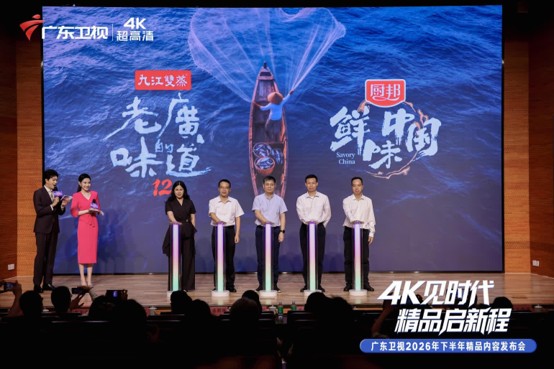
(Photo Credit: Wenweipo)
Guangdong Radio and Television recently hosted a major content showcase in Guangzhou, revealing 38 premium programs slated for the second half of 2026. Leveraging advanced 4K ultra-high-definition television broadcasting and digital intelligence tools, the television station intends to fully upgrade its media matrix. The newly announced slate focuses on four major themes, which are Greater Bay Area development, youth growth, industrial innovation, and regional Cantonese culture.
The core segment of the lineup focuses on regional economic integration and technological achievement. Key programs include a youth song festival hosted in the Hengqin economic zone and an upcoming artificial intelligence spring festival gala that integrates digital performers. Furthermore, industrial documentary series will explore the region’s manufacturing strength by filming directly inside research laboratories, while other economic reality shows will track corporate brand exports and youth entrepreneurship initiatives.
This massive technical push reflects China’s state-supported media modernization trends. Official television authorities stated that combining 4K ultra-high-definition visual clarity with artificial intelligence creation expands the boundaries of traditional content production. Media critics noted that using hyper-local cultural themes, such as the network’s long-running culinary documentaries, successfully connects mainland broadcasts with overseas Chinese audiences, which effectively strengthens the media brand’s international cultural reach.
News Source: https://www.wenweipo.com/a/202606/28/AP6a411e48e4b0b49ad1c12f05.html
(3) Six Works Win Outstanding Micro-Drama Honor: Industry Says Creativity Is Core, AI Expands Boundaries
(Illustration Credit: Yahoo News)
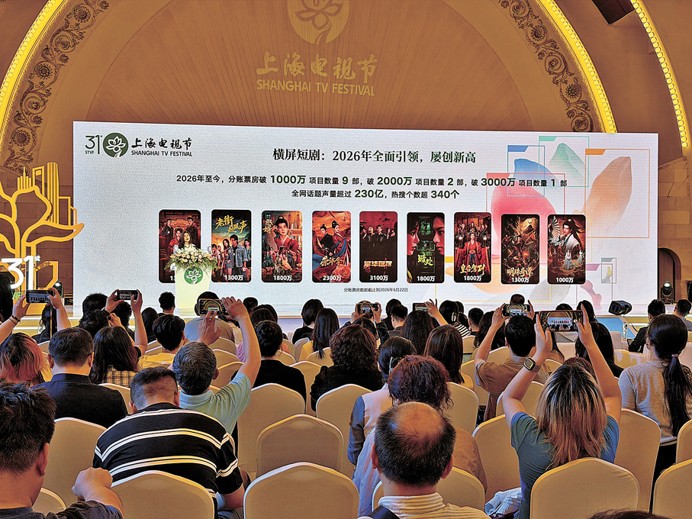
The 2026 Shanghai TV Festival introduced a new honor for Outstanding Micro-Dramas, recognizing six works: “Home Inside and Outside”, “Miracle”, “Flash Marriage Rose”, “Summer Findera”, “Tang Gui Tales”, and “Zhuque Hall”. These productions span diverse genres, from family narratives and urban romance to youth healing stories and suspense rooted in traditional culture. Creators emphasized that genuine storytelling and emotional resonance are the essence of micro-drama success. For example, “Home Inside and Outside” deliberately avoided formulaic tropes to preserve authenticity, while “Flash Marriage Rose” applied long-form character development techniques within a short format, blending nostalgia with contemporary themes.
Industry leaders highlighted the growing role of AI in the sector. According to the China Network Audiovisual Association, over 95% of micro-dramas released in Q1 2026 were AI-generated. Executives noted that AI boosts production efficiency, revenue, and opportunities for mid- and lower-tier IPs, enabling broader adaptation of online literature. However, producers stressed that human-led works retain unique strengths: grounding stories in lived experiences, conveying emotional warmth, and addressing universal themes. They argued that while AI excels at large-scale, visually demanding genres such as cyberpunk or effects-heavy productions, real-actor dramas must focus on emotional depth and relatability to stand apart.
Overall, the festival underscored a dual trajectory: AI expanding creative boundaries and industrial capacity, while human creativity remains the irreplaceable core for crafting meaningful, emotionally resonant micro-dramas.
News Source: https://www.wenweipo.com/a/202606/27/AP6a3ede64e4b0b49ad1c0f30e.html
(Photo Credit: Variety)
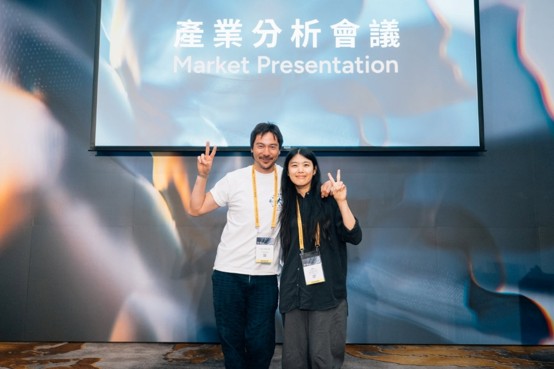
Taiwan’s Golden Melody Festival conferences, held before the Golden Melody Awards, spotlighted Asia’s live music economy in a presentation titled The Rise of Asia’s Live Music Economy. Speakers Justin Sweeting, co-founder of Hong Kong’s Clockenflap festival, and Mia Min Yen, founder of music agency Woozi Studio, emphasized Asia’s growing importance as a touring destination. Sweeting noted that rising costs in Europe and North America are driving artists eastward, while Asia’s geographic proximity and transportation networks make multi-country tours increasingly feasible.
Collaborative projects such as Sunset Rollercoaster’s “AAA Tour” demonstrate how regional teams can pool resources and expand touring possibilities. He also stressed the importance of government support, infrastructure, and cultural awareness in scheduling festivals around events like Lunar New Year or Ramadan.
Sweeting described Asia as a “growth story,” fueled by a youthful middle class across Southeast Asia, China, South Korea, and India, with rising disposable income and strong appetite for live experiences. Yen highlighted how fans’ evolving listening habits have reshaped festival curation, with audiences now prioritizing community and shared identity over genre-based programming. Both agreed that fans expect more than tickets: they invest in memories, demanding unique experiences from merchandise to queuing.
On sustainability, Yen emphasized the need for local promoters to thrive and for Asia-focused booking agencies to play a larger role. Sweeting underscored Asia’s diversity as both a challenge and an opportunity, given cultural, linguistic, and regulatory differences. Looking ahead, Yen predicted Southeast Asia’s market will bloom, with diminishing language barriers, rising regional sounds, and greater attraction for Western artists.
News Source: https://variety.com/2026/music/asia/asia-live-music-boom-sweeting-yen-golden-melody-festival-1236798362/
(5) Chinese pop singer Jane Zhang receives fines for “unauthorized impromptu performances”

(Photo Credit: Singtao)
Prominent Chinese pop singer Jane Zhang recently revealed on social media that event organizers were fined because she performed too many unscripted, a cappella songs during recent commercial concerts. Zhang is widely known for her fan-centric tradition of taking random song requests at the end of her scheduled sets. However, she warned fans that she must cancel these spontaneous encores at future commercial events to avoid legal penalties.
Legal experts have clarified that the financial penalties target unauthorized impromptu performances rather than the vocal style itself. Under the China’s Regulations on the Administration of Commercial Performances, staging unapproved content or modifying an official event program without re-submitting it for government approval carries fines of up to 30,000 yuan. A reason behind this stringent rule is for the purpose of crowd safety and management. For example, in concerts, it is argued that extended, unscripted encores can lead to unexpected delays, logistical strain on venue staff, and chaotic crowd behavior that compromises public safety. Industry insiders noted that while solo concert tours typically pre-register extra safety tracks to allow for flexibility, multi-artist music festivals usually stick to rigid, pre-cleared setlists.
This incident highlights the highly stringent regulatory environment governing live events in the country. To this, many fans lamented that strict administrative rules are destroying the organic intimacy between Mandopop artists and their audiences. Nevertheless, legal analysts countered that strict compliance is necessary to prevent unsafe crowd overruns and to maintain complete transparency across the live commercial market.
(6) Jolin Tsai and Chang Chen-yue Lead the Pack at Golden Melody Awards

(Photo Credit: Golden Melody Awards)
The 37th Golden Melody Awards, widely regarded as the Grammys of the Mandopop world, delivered a historic night of celebration at the Taipei Arena. The annual event remains the definitive benchmark for music industry excellence, honoring outstanding achievements across Mandarin, Taiwanese, Hakka, and Indigenous-language music.
Pop titan Jolin Tsai emerged as the biggest winner of the night. Her critically acclaimed album Pleasure, released through Warner Music Taiwan, secured the prestigious Album of the Year award. Earlier in the evening, the same project earned her the title of Best Mandarin Female Singer, cementing a dominant double victory that underscored her enduring influence on Asian pop culture. Meanwhile, veteran singer-songwriter Chang Chen-yue dominated the male categories with his album Walk with Feelings. Chang claimed three major trophies, including Best Mandarin Album, Best Mandarin Male Singer, and Best Composer.
The ceremony recognized technical mastery alongside commercial hits, awarding Best Vocal Recording Album to Tsai’s production team. Emerging artists also shared the spotlight, with indie band Sunset Rollercoaster winning Best Musical Group, and girl group Genblue taking home Best Vocal Group. Additionally, the Jury Award honored Chen Xiao-xia’s Old Wings for its artistic contribution.
News Source: https://variety.com/2026/music/news/jolin-tsai-chang-chen-yue-golden-melody-awards-2026-1236796254/
(7) MiniMax Hub Revamps Filmmaking Workflows at Shanghai Film Festival
(Photo Credit: Guan Cha)
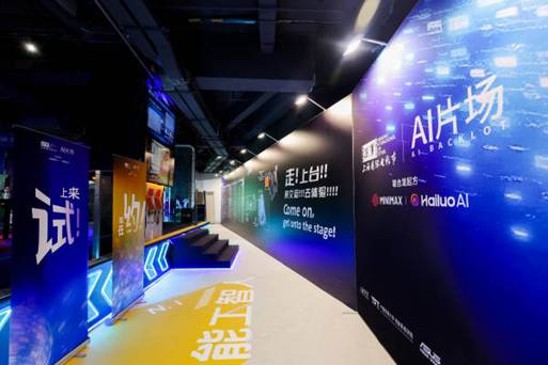
The 28th Shanghai International Film Festival successfully wrapped up its groundbreaking “AI Studio” segment, a collaborative project launched with tech company MiniMax to explore how artificial intelligence reshapes contemporary filmmaking. The exhibition featured live workshops, film premieres, and a six-hour speed-creation challenge using the all-new MiniMax Hub. This generative platform utilizes an artificial intelligence workspace, allowing directors to manage scripts, generate storyboards, and export final cuts using simple language commands.
By consolidating fragmented software tools into a singular native workflow, the technology cuts out tedious material transfer times and significantly strengthens independent directorial control. Renowned festival promoter and director Huang Jianxin noted that the value of the exhibition lies in openly displaying the collaborative, trial-and-error process between human artists and automated software.
Many industry insiders praised the workflow adjustments, arguing that removing repetitive technical execution gives artists more time to focus on storytelling, aesthetics, and conceptual depth. Some critics tracking the event emphasized that future creators must evolve from passive tool users into active tool developers. Film critics and official industry authorities maintain that while AI cannot replace human artistic judgment or emotional direction, it successfully automates repetitive technical tasks. They noted that these platforms will ultimately shorten the gap between a creator’s pure imagination and final theatrical distribution.
News Source: https://www.wenweipo.com/a/202606/22/AP6a3842e4e4b0b49ad1c044f7.html
(8) Beijing, Tianjin, and Hebei Launch Joint Copyright Enforcement Initiative
The administrative copyright law enforcement departments of Beijing, Tianjin, and Hebei have issued a joint initiative to strengthen intellectual property protection across key entertainment sectors. This regional legal framework aligns with the national “Sword 2026” anti-piracy campaign. It establishes a coordinated supervisory system to safeguard major media assets and stabilize the regional entertainment market.
A primary focus of the new policy is the strict protection of the ongoing 2026 FIFA World Cup broadcasts. China Central Television holds the exclusive media rights and has officially sublicensed coverage to like digital content platform Migu and social media platform Xiaohongshu. Authorities warn that any unauthorized livestreams, delayed broadcasts, or short video clips like GIFs will be treated as illegal traffic hijacking. Additionally, the initiative targets the film sector by ordering internet service providers to block user uploads of blacklisted titles. The regulation also clamps down on individuals who coax minors into secretly recording theatrical releases.
This joint directive signals a major tightening of digital compliance standards. Online marketplaces and streaming networks must actively scan for trademark infringements, counterfeit intellectual property collaborations, and illicit e-book sales. Platforms are required to immediately remove suspicious retail listings and terminate repeat offender accounts to ensure total transparency across the domestic media ecosystem.
News Source: https://xinwen.bjd.com.cn/content/s6a390948e4b03fa51a803da6.html
(9) China Enforces Real Name Stroke Count Billing for TV Dramas
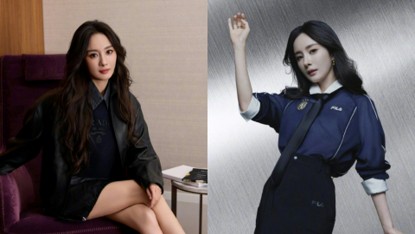
(Photo Credit: Yang Mi / Weibo)
China’s National Radio and Television Administration has implemented a mandatory regulation requiring all television dramas broadcast after July 10 to credit actors using their legal names, sorted strictly by the stroke count of their surnames. This regulatory intervention aims to eradicate long-standing industry disputes regarding top billing, where actors fight over credit order based on commercial fame.
The universal policy has already triggered intense controversy and resistance from prominent celebrity fan clubs. Under the stroke count system, A-list actress Yang Mi fell behind her male co-star in a female-centric drama, prompting her official fan club to demand unilateral top-billing text in promotional materials. Similarly, prominent actresses like Tiffany Tang (Tang Yan) fell to fifth place behind supporting cast members in the Tencent TV show This Moment of Life (此刻的生活) due to surname stroke requirements.
To bypass these restrictions, some production teams have introduced single-row billing to isolate male stars like Xiao Zhan, by giving him his own dedicated “leading actor” line. However, it is evident that this privilege has mostly been granted to male stars. This structural loophole has led to criticism that the framework inadvertently marginalizes top female performers.
On one hand, industry officials view this policy as an aggressive administrative measure to control toxic online fan behavior and stabilize market order. However, some television critics also criticize that the blanket enforcement is inflexible and destroys actual script hierarchies.
News Source: https://www.wenweipo.com/epaper/view/newsDetail/2068380026247712768.html
(10) KKBOX Hong Kong Music Awards returns with ‘Music Reborn’

(Photo Credit: The Standard)
The 8th KKBOX Hong Kong Music Awards delivered a landmark night of music entertainment at the AsiaWorld-Arena. Presented under the theme “Music Reborn,” the annual gala brought together 19 leading pop artists from Hong Kong, Taiwan, and Japan. The event moved away from traditional presentation formats, encouraging performers to re-arrange their hit tracks and deliver unique collaborative stages across multiple languages and genres.
The extensive performance lineup emphasized cross-regional industry integration. High-profile acts included dynamic pairings such as Hong Kong pop icon Keung To performing alongside Taiwanese singer-songwriter Xiao Bing Chih. Furthermore, Japanese singer-songwriter jo0ji made his city debut by performing prominent anime theme music. Local music veterans also shared the stage with contemporary idols, highlighted by a nostalgic pop medley from Andy Hui and Jer Lau that bridged different generations of Cantonese music history. The night concluded with a high-energy finale by MIRROR member Anson Lo, who debuted his latest single live.
Through reinterpretations and unexpected pairings, the awards ceremony embodied music’s rebirth, showing how songs gain new meaning when artists and audiences meet again. Music critics noted that the deliberate inclusion of Taiwanese streaming favorites and international Japanese acts helps elevate Hong Kong as a central creative hub for Asian music distribution. While some traditional media commentators questioned whether complex, multi-artist mashups might overshadow individual song identities, live music organizers heavily praised the ceremony. They stated that these collaborative platforms stimulate audience engagement and drive higher digital streaming numbers across greater regional markets.
News Source: https://www.thestandard.com.hk/screen-and-music/article/335824/KKBOX-Hong-Kong-Music-Awards-returns-with-Music-Reborn
(11) Yu Zheng Launches All‑AI Short Drama, Sparking Industry Debate

(Photo Credit: Yahoo News TW)
Renowned Chinese television producer Yu Zheng, famous for hit period dramas like Story of Yanxi Palace, has initiated a technological shift in the domestic entertainment sector. Yu recently released a five-minute micro-drama on social media where all background extras were generated using artificial intelligence. While the producer admitted the final footage contains visible technical imperfections, he emphasized his determination to embrace next-generation production tools.
The experimental release highlights the aggressive expansion of artificial intelligence within China’s booming micro-drama market, which recently surpassed an annual valuation of 50 billion yuan. By substituting human extras with digital assets, production companies can significantly reduce labor costs and accelerate filming schedules. Industry analysts predict that background actors, stunt doubles, and minor supporting roles will face the immediate risk of displacement as these automation tools evolve over the next decade. The transition also introduces complex legal challenges regarding celebrity portrait rights and likeness usage, as regulatory frameworks struggle to keep pace with rapid software developments.
Many industry insiders view this trial as an inevitable step toward corporate cost optimization. While some media commentators express concern that automated productions might oversaturate the market with low-quality content, studio executives broadly praise Yu’s initiative. They maintain that lowering financial entry barriers will ultimately allow newer creators to enter the competitive digital marketplace.
News Source: https://tw.news.yahoo.com/%E4%BB%A5%E5%BE%8C%E6%8B%8D%E6%88%B2%E4%B8%8D%E7%94%A8%E7%BE%A4%E6%BC%94%E4%BA%86-%E4%BA%8E%E6%AD%A3%E5%85%A8ai%E7%9F%AD%E5%8A%87%E6%8E%80%E9%9D%A9%E5%91%BD-053643541.html

(Photo Credit: HK01)
Legendary Mandopop diva Jenny Tseng has sparked intense discussion across the regional entertainment industry after publicly criticizing the lack of prominent successors in Hong Kong’s contemporary music scene. Following the conclusion of the 37th Golden Melody Awards, Tseng highly praised Taiwanese singer A-Lin for her impressive hosting and vocal performances. However, witnessing the seamless generational transition within Taiwan’s music market led Tseng to openly lament that Hong Kong has not been as fortunate, stating that the city currently has no clear successors to carry the torch.
Tseng specifically noted that while Taiwan continuously nurtures influential mid-career artists who can command major regional stages, Hong Kong suffers from a noticeable talent fracture. Although global superstars like G.E.M. Tang have achieved massive commercial success, industry observers note that the broader Cantopop market has struggled to reproduce the cross-regional cultural dominance and massive star power characteristic of its twentieth-century golden era.
Tseng’s blunt commentary has drawn mixed reactions from netizens alike. Several netizens agreed with her assessment, pointing out that shrinking local market scales and a heavy reliance on nostalgic formulas have stifled genuine creative growth. Conversely, local pop culture critics argued that Tseng’s critique overlooks the unique subcultural success of newer boy bands and independent artists who are actively reshaping the city’s music landscape. Overall, Tseng’s viral remarks highlight a very real, systemic challenge regarding international distribution and the long-term regional competitiveness of Hong Kong’s creative industries.
News Source: https://www.hk01.com/%E7%9C%BE%E6%A8%82%E8%BF%B7/60365918/%E7%94%84%E5%A6%AE%E7%9B%9B%E8%AE%9Aa-lin%E9%87%91%E6%9B%B2%E7%8D%8E%E8%A1%A8%E6%BC%94%E6%9C%89%E9%AD%85%E5%8A%9B-%E6%84%9F%E5%98%86%E9%A6%99%E6%B8%AF%E6%A8%82%E5%A3%87-%E8%87%B3%E4%BB%8A%E7%84%A1%E4%BA%BA%E6%8E%A5%E6%A3%92